Egypt That You Don’t Know
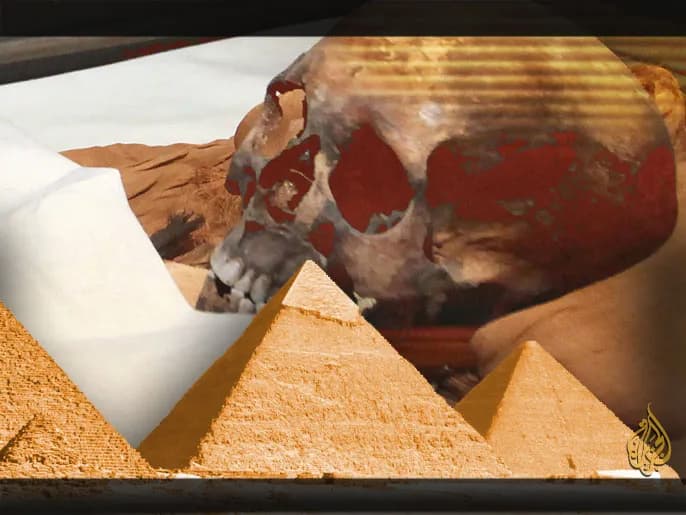
Egypt That You Don’t Know
A guided look at the themes presented in Dr. Wassim El Sisi’s book: Egyptian science, identity, language, cultural memory, and how interpretations of the past shape the present.
A guided look at the themes presented in Dr. Wassim El Sisi’s book: Egyptian science, identity, language, cultural memory, and how interpretations of the past shape the present.
01.Summary of “Egypt That You Don’t Know” by Dr. Wassim Rushdy Al-Sisi
The book “Egypt You Don’t Know” (Arabic: مصر التي لا تعرفونها) by Dr. Wassim El Sisi is a deep and passionate exploration of Egypt’s ancient civilization, scientific achievements, cultural richness, and historical truths that are often overlooked or misunderstood. Dr. El Sisi, a well-known Egyptian urologist and Egyptologist, uses this book to reveal hidden aspects of ancient Egyptian history and correct popular misconceptions.
-
Scientific Legacy of Ancient Egypt:
-
The book emphasizes that ancient Egyptians were scientifically advanced, especially in medicine, astronomy, mathematics, and engineering.
-
Dr. El Sisi often argues that Egypt’s knowledge was the foundation for Greek science, turning the common narrative around (i.e., Egypt learned from Greece).
-
-
Misinterpretation of Ancient Egypt:
-
The book addresses the distortion of Egyptian history by colonial powers and later historians.
-
It challenges Western narratives that have downplayed or stolen credit from ancient Egyptians.
-
-
Human Rights and Ethics in Ancient Egypt:
-
Dr. El Sisi portrays ancient Egyptians as a society that valued justice, ethics, and human dignity, citing examples from their laws and spiritual beliefs.
-
He frequently references Maat (the goddess of truth, balance, and justice) as a moral compass in ancient Egyptian life.
-
-
The True Identity of Ancient Egyptians:
-
He strongly asserts that ancient Egyptians were not foreigners or Greeks or Asians, but Africans with a distinct identity.
-
The book works to reclaim the Egyptian identity from centuries of misinformation.
-
-
Influence on World Civilizations:
-
The author argues that ancient Egyptian civilization was not only independent and original, but also influential on others like the Greeks and Romans.
-
He gives examples of how Egyptian wisdom was carried into other cultures.
-
-
Religious and Spiritual Insights:
-
The book explores the spiritual worldview of the Egyptians, including concepts like the soul, the afterlife, and moral accountability.
-
It compares ancient Egyptian beliefs to later Abrahamic religions, showing parallels that suggest deep philosophical roots.
-
02.Style and Approach:
-
Narrative and emotional: Dr. El Sisi writes not just as a historian, but as a patriot and storyteller, evoking national pride and wonder.
-
Evidence-based: He supports his arguments with archaeological evidence, hieroglyphic texts, and comparative historical analysis.
-
Accessible yet scholarly: While the book is rich in academic references, it is written for a general audience, not just experts.
Science & learning
Medicine, astronomy, mathematics and engineering appear as major strands in its portrayal of Egyptian achievements.
Culture & identity
Language, self-understanding and the international reception of ancient Egypt form another important theme.
03.Why It’s Important:
“Egypt You Don’t Know” is part of a broader movement in Egyptian academia and literature that seeks to reclaim Egypt’s ancient heritage for its people, especially in a time when many Egyptians feel disconnected from their glorious past. Dr. El Sisi aims to revive national pride and educate readers about a legacy they might not be aware of — one that is scientific, ethical, African, and authentically Egyptian.
The book “Egypt You Don’t Know”
Overview
The book explores the lesser-known aspects of ancient Egyptian civilization, highlighting its advanced achievements in medicine, science, art, and culture. Dr. Al-Sisi aims to correct misconceptions and shed light on Egypt’s pioneering contributions to human knowledge.
-
Medicine and Surgery
-
Ancient Egyptians performed advanced surgeries, including trepanation (skull surgery) and circumcision, using specialized tools.
-
They developed early forms of anesthesia, antiseptics, and surgical sutures made from animal intestines.
-
Medical papyri (e.g., Edwin Smith Papyrus) document detailed treatments for fractures, wounds, and diseases.
-
-
Obstetrics and Gynecology
-
Egyptians had specialized hospitals for pregnant women and understood concepts like infertility and pregnancy testing (using wheat and barley).
-
They practiced childbirth on chairs, a method later adopted by modern medicine.
-
-
Mummification
-
The process involved removing organs, drying the body with natron salt, and wrapping it in linen. Mummification reflected beliefs in the afterlife and preservation of the body for resurrection.
-
-
Dentistry
-
Egyptians treated dental issues with fillings, gold wires for loose teeth, and even early forms of dental implants.
-
-
Pharmacy and Herbal Medicine
-
They used natural remedies like honey, garlic, and willow bark (a precursor to aspirin) for healing.
-
-
Mathematics and Astronomy
-
Egyptians calculated the value of π and used advanced geometry in pyramid construction.
-
They developed early calendars based on celestial observations.
-
-
Art and Symbolism
-
The lotus flower symbolized purity and rebirth, inspiring modern technologies like self-cleaning surfaces.
-
Artworks depicted detailed anatomical knowledge, such as sperm and egg fertilization.
-
-
Language and Legacy
-
The word “chemistry” derives from “Kemet,” Egypt’s ancient name, reflecting its roots in alchemy and science.
-
Egyptian knowledge influenced Greek, Roman, and Islamic civilizations.
-
-
Mysteries and Unexplained Achievements
-
The book discusses theories about ancient Egyptians’ possible knowledge of electricity, advanced optics, and even concepts like the “Bermuda Triangle.”
-
-
Cultural Identity
-
Dr. Al-Sisi emphasizes the importance of reconnecting with Egypt’s historical identity to inspire future progress.
Notable Quotes
-
“The correct ideas must be tested by experience.” — Francis Bacon
-
“Egypt was the origin… and God sent it prophets and scholars.”
Conclusion
The book serves as a tribute to Egypt’s overlooked legacy, urging readers to appreciate and preserve its contributions to civilization. It combines historical research with national pride, offering a fresh perspective on ancient Egypt’s ingenuity.
Note: The text contains some informal or unclear passages, but the summary captures the main themes and ideas. For a precise translation of specific sections, further clarification may be needed.
Key takeaway:
The book “Egypt That You Don’t Know” by Dr. Wassim Rushdy Al-Sisi unveils the advanced and often unrecognized achievements of ancient Egypt in medicine, science, and culture. It highlights surgical innovations, mummification techniques, herbal medicine, and mathematical prowess, while correcting historical misconceptions. The author emphasizes Egypt’s role as a cradle of civilization and calls for a renewed appreciation of its legacy. The text blends scholarly research with national pride, offering insights into topics like the lotus flower’s symbolism, early dental practices, and mysterious technological feats. Ultimately, it is a celebration of Egypt’s enduring contributions to human knowledge.
Explore Egypt with Hurghada To Go
Compare the actual tour options and confirm inclusions, transfers and the final price before booking.
For availability or help planning your Egypt experience, contact Hurghada To Go directly or browse the current tour catalog.
Related Experiences & Tours
These tours are listed in the current catalogue. The article’s route description does not guarantee the same stops or services in every available option.
Ready to Plan Your Egypt Trip?
Browse current Hurghada To Go experiences or contact the team if you need help choosing the right itinerary for your trip.

Egypt, made easier to discover.
Hurghada To Go brings together carefully selected experiences, useful local knowledge and practical travel planning across Egypt — from the Red Sea to Luxor, Aswan, Cairo and the Nile.