
Fascinating Facts About Jahuti Egypt (Djehuty): The Powerful God of Ancient Egypt c. 2686–2181 BCE
Fascinating Facts About Jahuti Egypt (Djehuty): The Powerful God of Ancient Egypt c. 2686–2181 BCE
Discover Djehuty, better known as Thoth, his sacred images and links to ancient Egyptian writing and the afterlife.
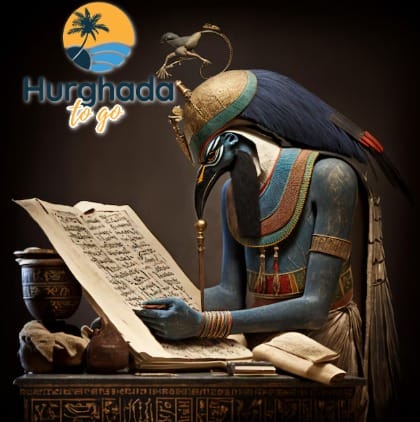
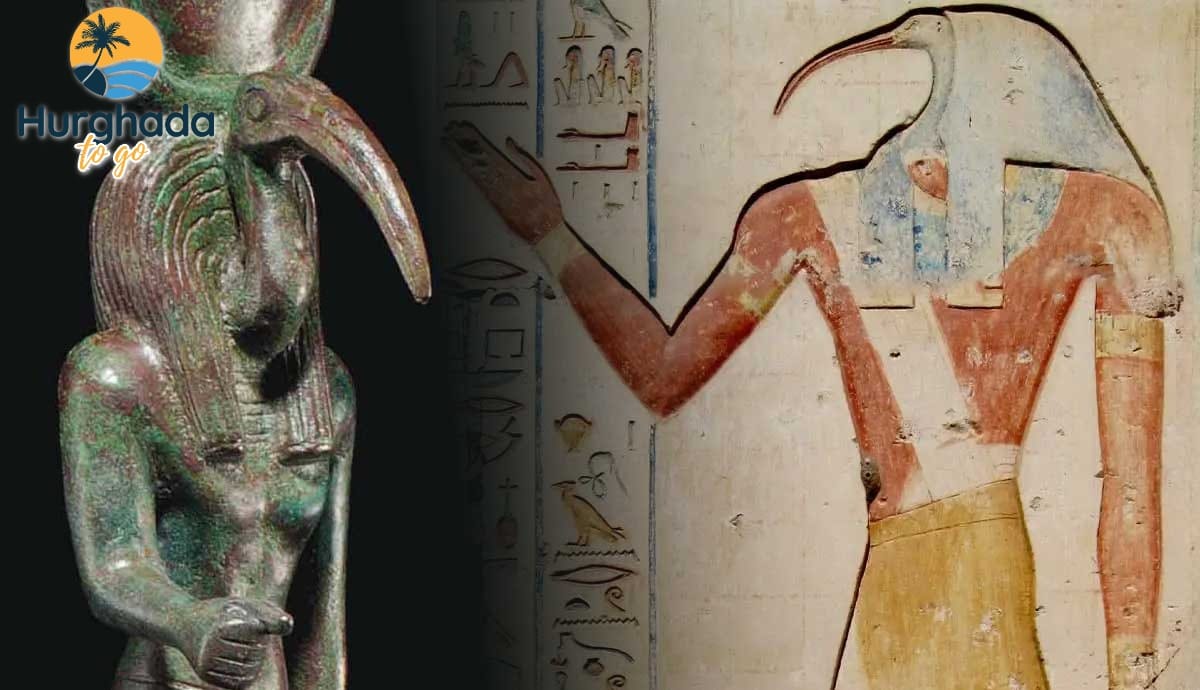
The term “Jahuti” (also spelled Djehuty, Jehuti, or Tahuti) primarily refers to Thoth , one of the most revered deities in ancient Egyptian mythology. Thoth was the god of wisdom, writing, magic, science, judgment, and the moon. His name, derived from Egyptian ḏḥwty , translates to “He Who is Like the Ibis,” reflecting his common depiction as a man with the head of an ibis (a sacred bird symbolizing knowledge) or as a baboon. Thoth’s cult center was Hermopolis Magna (Khemenu), and he played a central role in the pantheon as the scribe of the gods, inventor of hieroglyphs, and mediator in divine disputes—most famously recording the judgment of Osiris after his murder by Set.
01.Jahuti Egypt (Djehuty) in Ancient Egypt
The term “Jahuti” (also spelled Djehuty, Jehuti, or Tahuti) primarily refers to Thoth , one of the most revered deities in ancient Egyptian mythology. Thoth was the god of wisdom, writing, magic, science, judgment, and the moon. His name, derived from Egyptian ḏḥwty , translates to “He Who is Like the Ibis,” reflecting his common depiction as a man with the head of an ibis (a sacred bird symbolizing knowledge) or as a baboon. Thoth’s cult center was Hermopolis Magna (Khemenu), and he played a central role in the pantheon as the scribe of the gods, inventor of hieroglyphs, and mediator in divine disputes—most famously recording the judgment of Osiris after his murder by Set.
Thoth’s influence extended across Egyptian history, from the Old Kingdom (c. 2686–2181 BCE) through the Ptolemaic period, appearing in royal names (e.g., Thutmose, meaning “Born of Thoth”) and amulets. Temples dedicated to him, like Deir el-Hagar in the Dakhla Oasis, highlight his worship into Roman times.
The theophoric name “Jahuti” (meaning “Thoth is satisfied” or similar) appears in several prominent individuals, blending divine reverence with elite status:
- Lunar and Cosmic Deity : Associated with the moon, Thoth won five extra days of moonlight from the lunar god Iah through a game of dice, allowing the birth of key gods like Horus and Seth.
- Judge of the Dead : In the Hall of Ma’at, Thoth weighed hearts against the feather of truth alongside Osiris, ensuring cosmic balance.
- Self-Created or Divine Birth : Myths vary; he was sometimes self-born from the forehead of Set or the seed of Horus, emphasizing his role in creation and healing.
02.The Book of the Dead in Ancient Egypt
(Proper ancient Egyptian name: rꜢw n(w) prt m hrw – “Spells for Going Forth by Day”)
The “Book of the Dead” is **not a modern name coined in the 19th century by Egyptologists. The ancient Egyptians never had a single, fixed “book.” Instead, it is a loose collection of approximately 200 magical spells (called “chapters” today) designed to protect and empower a deceased person on their journey through the afterlife and to reach eternal paradise (the Field of Reeds).
It is personalized – no two copies are identical. Wealthy Egyptians commissioned their own version on papyrus scrolls, leather, tomb walls, shrouds, or coffins.
- Opening vignettes (funeral procession, mourning, offering scenes)
- Spells 1–16 (funeral rites and resurrection)
- Spells 17–63 (transformation into birds, gods, light, etc.)
- Spells 64–129 (protection, knowledge of names of power)
- Spell 125 (judgment scene – almost always present and lavishly illustrated)
| Topic | Meaning |
|---|---|
| Djehuty / Thoth | Egyptian deity of writing, knowledge, reckoning and judgment |
| Ibis and baboon | Two important animal forms of Thoth |
| Book of the Dead | A varied body of funerary texts rather than one universal book |
| Spell 125 | Weighing of the heart and moral judgment |
| Spell 30B | Heart-scarab text connected with the afterlife |
How funerary texts developed over time
The Book of the Dead was part of a long tradition of Egyptian funerary writing. Earlier Pyramid Texts appeared in royal tombs during the Old Kingdom; Coffin Texts broadened access during the Middle Kingdom. In the New Kingdom, spells and illustrations were often written on papyrus scrolls placed with the deceased. Copying and adapting these texts continued for centuries, so individual manuscripts and spell selections can vary considerably.
03.Spell 125 The single most famous chapter of the Book of the Dead
“Spell for entering into the Hall of the Two Truths (or Two Ma’ats), and for separating a man from his sins when he is in the realm of the dead.”
From the beginning of the New Kingdom (c. 1550 BCE) onward, Spell 125 is almost always present and is usually the most lavishly illustrated scene in any Book of the Dead papyrus. If a person could only afford one spell, it was often this one.
The deceased stands in the majestic Hall of Two Truths before Osiris (green-faced, mummiform, holding crook and flail). In the centre is the great balance scale.
- On one side: the heart of the deceased (in a jar or directly on the pan)
- On the other side: the feather of Ma’at (truth, justice, cosmic order)
- Anubis (jackal-headed) adjusts or watches the scale
- Thoth (ibis-headed, palette and reed pen in hand) stands ready to write the verdict
- Ammit (“Devourer of the Dead”), the terrifying hybrid (crocodile head, lion forequarters, hippo rear) waits below the scale, hoping for a guilty heart to eat
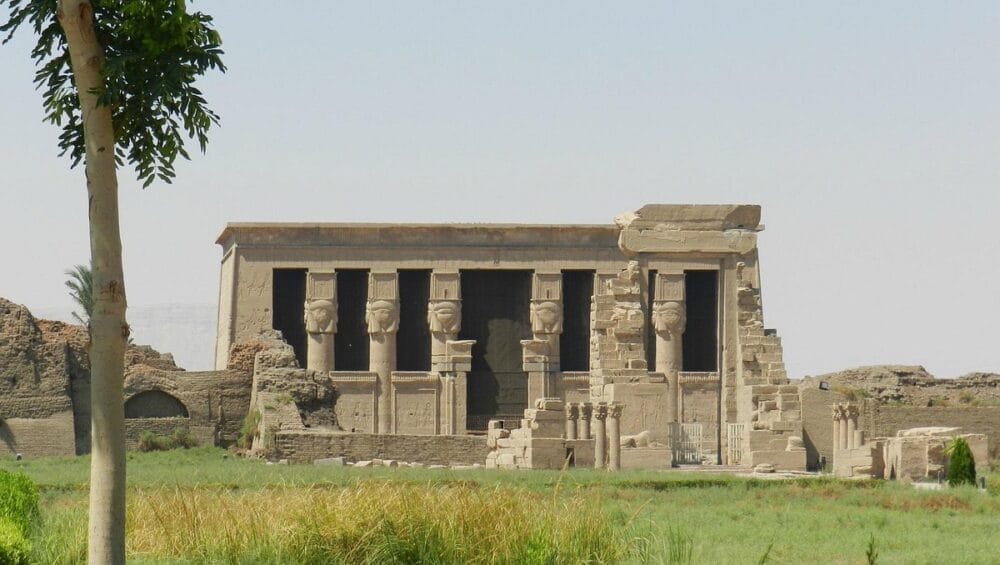
04.Spell 30B The “Heart Scarab” Spell – the ancient Egyptian’s magical insurance policy…
“Spell for preventing the heart of a man from opposing him (or betraying him) in the realm of the dead.”
O my heart of my mother! O my heart of my different forms! Do not stand up against me as a witness! Do not oppose me in the tribunal! Do not be hostile to me in the presence of the Keeper of the Balance! You are my ka which is in my body, the god Khnum who makes my limbs sound. Go forth to the happy place whereto we speed! Do not make my name stink to the courtiers who create men! Do not tell lies about me in the presence of the god! It is indeed good that you should hear: Let it be decreed that I am justified! Let the verdict be “True of Voice” before the Great God!
Spell 30B was almost never written in the papyrus scroll itself. Instead, the spell was engraved on the flat underside of a large scarab beetle made of stone , placed directly over the heart of the mummy (either on the chest or actually inserted inside the thoracic cavity after the real heart was removed).
- Self-creation
- The sun god Khepri rolling the sun across the sky every morning So the scarab itself was already a resurrection symbol before the spell was even added.
- The scarab physically silences the heart – it’s literally gagged by a giant stone beetle.
- Some scarabs were often wrapped in gold leaf or had gold wings – gold was the flesh of the gods and therefore indestructible.
- Some late examples (26th Dynasty and later) add extra lines like: “Even if I did commit these sins, do not mention them!”
05.Practical tips
Ibis imagery
Look for Thoth’s bird-headed form in temple and funerary art.
Book of the Dead
Spells vary from one manuscript to another.
Spelling variants
Thoth, Djehuty and Jahuti refer to the same divine figure.
06.Frequently asked questions
Is Jahuti the same as Thoth?
Jahuti and Djehuty are transliterations of the Egyptian name of Thoth.
What is Thoth associated with?
Writing, wisdom, reckoning, the moon and divine judgment.
What is Spell 125?
A well-known Book of the Dead spell related to the weighing of the heart.
Is the Book of the Dead one fixed text?
No. Manuscripts differ in their spell selection and presentation.
Plan your ancient Egypt experience
Explore existing tours and confirmed services, or contact Hurghada To Go for current availability and inclusions.
For availability or help combining the homestay with more time in Aswan, contact Hurghada To Go directly or continue through the current tour catalog.
Explore related Egyptian heritage tours
Explore real tours from the current catalogue. Prices are taken from those tour listings and may change.

Private Cairo & Giza Day Trip from Hurghada
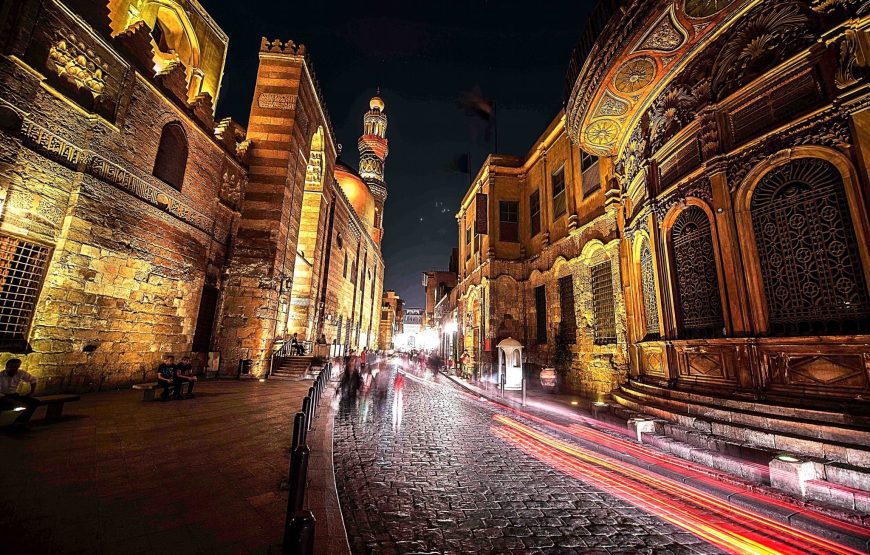
Cairo Day Trip from Hurghada by Flight – Pyramids, Sphinx & GEM
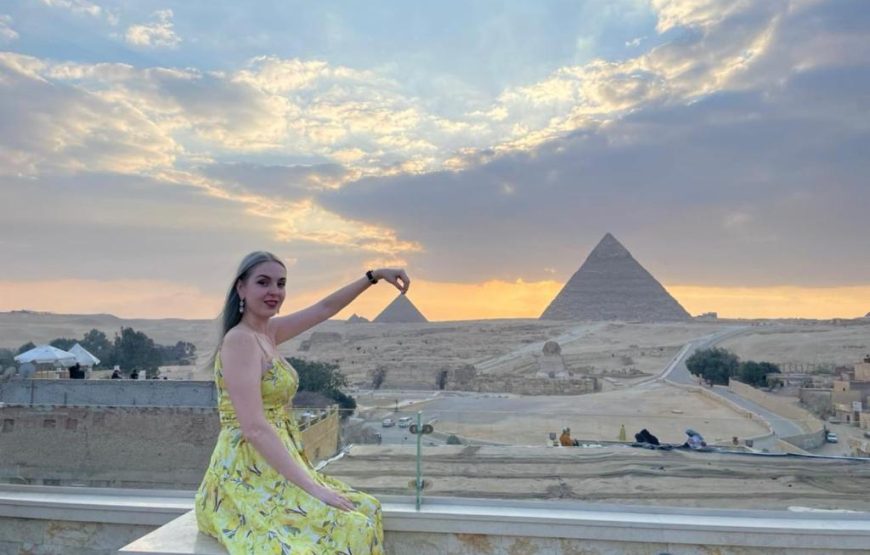
Cairo Day Trip from Hurghada by Bus
Private Giza & Saqqara Tour from Hurghada
Ready to Plan Your Egypt Trip?
Browse current Hurghada To Go experiences or contact the team if you need help choosing the right itinerary for your trip.

Egypt, made easier to discover.
Hurghada To Go brings together carefully selected experiences, useful local knowledge and practical travel planning across Egypt — from the Red Sea to Luxor, Aswan, Cairo and the Nile.