
Red Sea Egypt – Your Dream Dive
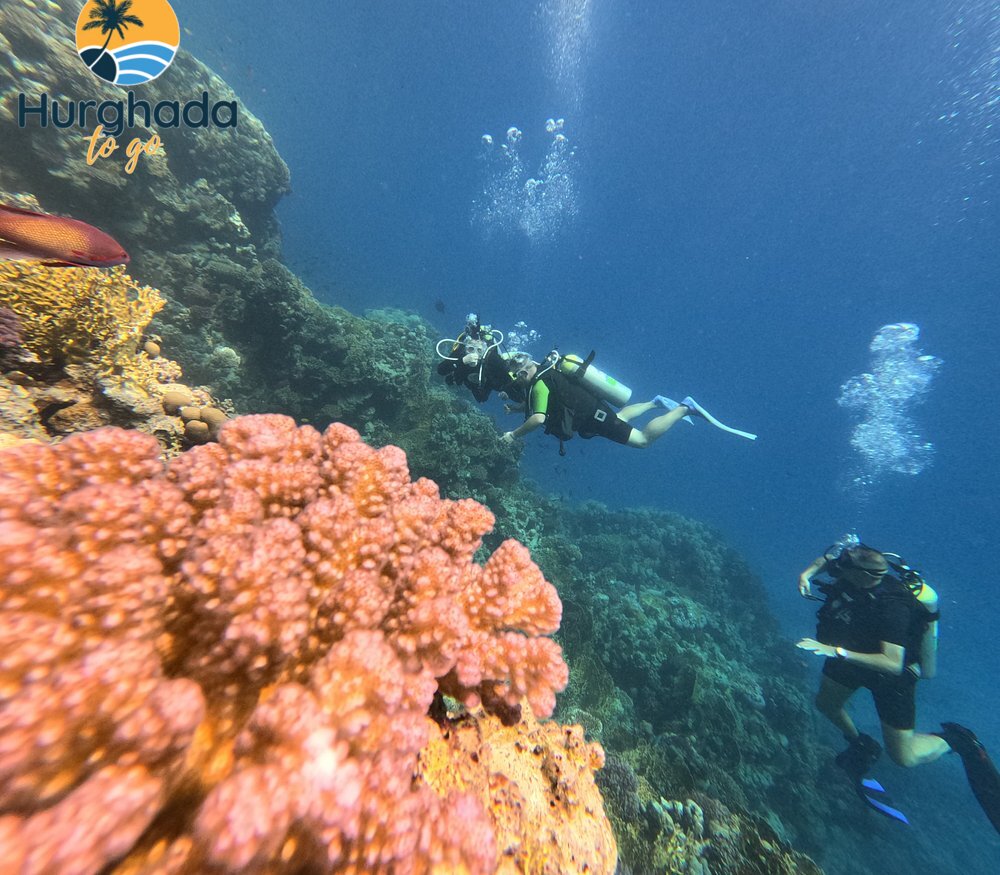
Is it worth going to the Red Sea in Egypt? The answer, from divers and non-divers alike, is an emphatic yes. The Red Sea is consistently ranked among the world’s top five dive destinations — alongside the Great Barrier Reef, the Maldives, the Galápagos Islands, and Palau — and its accessibility from Hurghada makes it the most convenient world-class diving available to visitors already in Egypt. Visibility regularly exceeds 30 metres. Water temperature stays above 22°C year-round. And the diversity of marine life — over 1,200 species of fish, 1,000 species of invertebrates, and 200 species of hard and soft coral — is extraordinary.
Whether you want to complete a PADI Open Water course in Hurghada, join a week-long Red Sea diving safari from a liveaboard, make your first ever introductory dive as a complete beginner, or simply snorkel above a coral garden with your family — this guide covers everything you need to plan your dream dive in the Red Sea Egypt in 2026.
📑 Table of Contents
What Is the Red Sea? — Geography, Facts & Why It’s Extraordinary
Where is the Red Sea located? The Red Sea is a seawater inlet of the Indian Ocean, lying between Africa and the Arabian Peninsula. It connects to the Indian Ocean in the south through the Bab el-Mandeb Strait and to the Mediterranean Sea in the north through the Suez Canal. Is there a Red Sea in Egypt? Yes — Egypt has the longest Red Sea coastline of any bordering country, stretching over 1,800 km from Suez in the north to the Sudanese border in the south, including both the Gulf of Suez and the Gulf of Aqaba.
Why is it called the Red Sea? The origin of the name is debated among historians and scientists. The most widely accepted explanation relates to seasonal algal blooms of Trichodesmium erythraeum — cyanobacteria that appear reddish-brown when they bloom near the surface, giving the water a distinctive colour in certain conditions. Other theories link the name to ancient colour-based compass directions (red = south in some Middle Eastern traditions) or to the reddish-tinted mountains along the Arabian shore.
Red Sea Diving Hurghada — The Best Dive Sites
Red Sea diving Hurghada is the most accessible world-class diving available to visitors staying in Egypt’s most popular Red Sea resort. Hurghada sits directly on the Egyptian Red Sea coast, with the finest dive sites accessible by boat in 10–60 minutes. The dive sites range from shallow reefs ideal for beginners and snorkellers to dramatic walls, wrecks, and open-water drift dives for experienced divers.

Red Sea Diving Sharm El Sheikh — Sinai’s Legendary Dive Sites
Red Sea diving Sharm El Sheikh represents Egypt’s other world-class diving hub — located on the southern tip of the Sinai Peninsula where the Gulf of Aqaba meets the Red Sea. Sharm’s dive sites are generally deeper, more dramatic, and more current-exposed than Hurghada’s — producing encounters with larger pelagic species (hammerhead sharks, whale sharks, oceanic whitetip sharks) alongside the same extraordinary coral biodiversity.




Red Sea Dive Sites Map — Where to Dive in Egypt
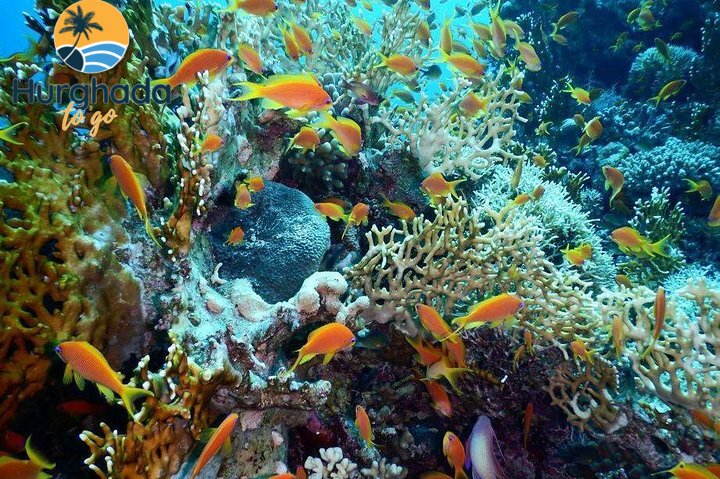
The Red Sea dive sites map of Egypt covers three primary dive zones — each with distinct character, accessibility, and marine life profiles:
| Zone | Key Sites | Best For | Base |
|---|---|---|---|
| Northern Red Sea | Giftun Island, Orange Bay, Thistlegorm, Abu Nuhas | All levels · Wrecks · Beginners | Hurghada |
| Gulf of Aqaba / Sinai | Ras Mohammed, Blue Hole, Tiran Islands | Sharks · Walls · Advanced | Sharm El Sheikh |
| Southern Red Sea | Daedalus Reef, Elphinstone, Brothers Islands | Hammerheads · Oceanic life · Safari | Marsa Alam / Liveaboard |
| Far South / Brothers | Big Brother, Little Brother, Zabargad | Whale sharks · Advanced · Liveaboard only | Liveaboard from Hurghada |
Red Sea Diving Packages & Scuba Diving Egypt Red Sea Prices 2026
The scuba diving Egypt Red Sea prices through Hurghada To Go are among the most competitive available for the quality of instruction, equipment, and sites offered. Here is the complete 2026 price guide:


Red Sea Diving Safari — The Liveaboard Adventure
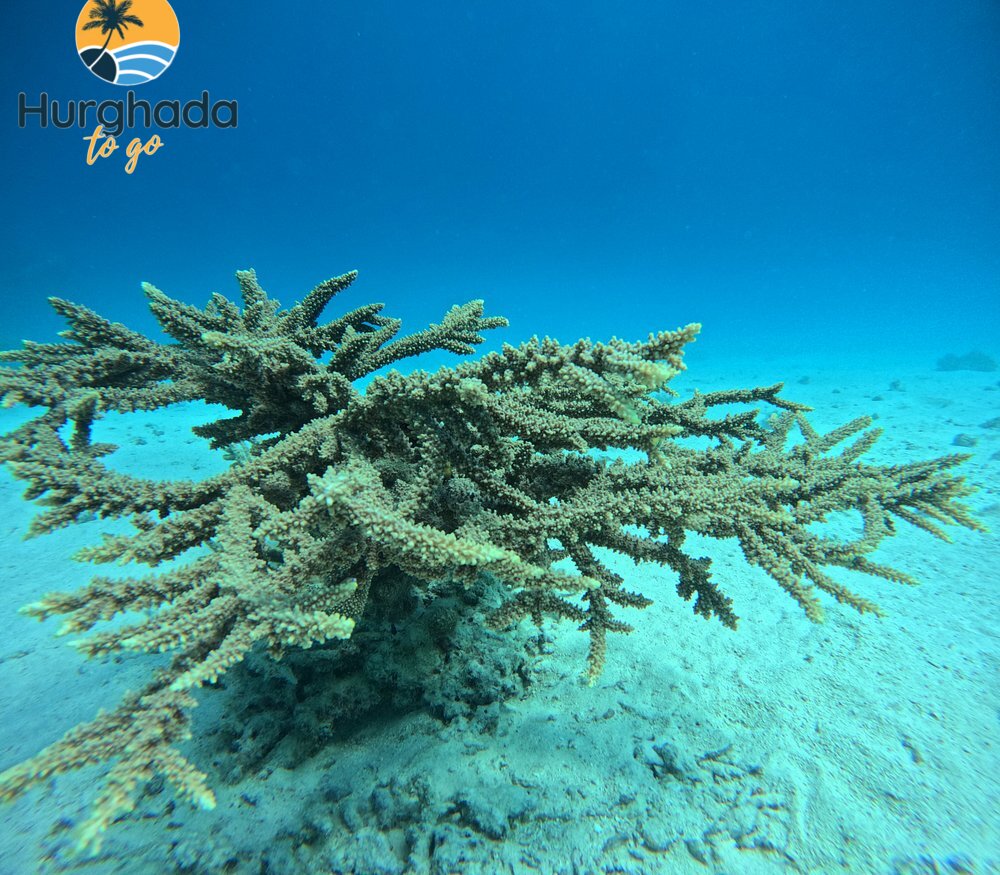
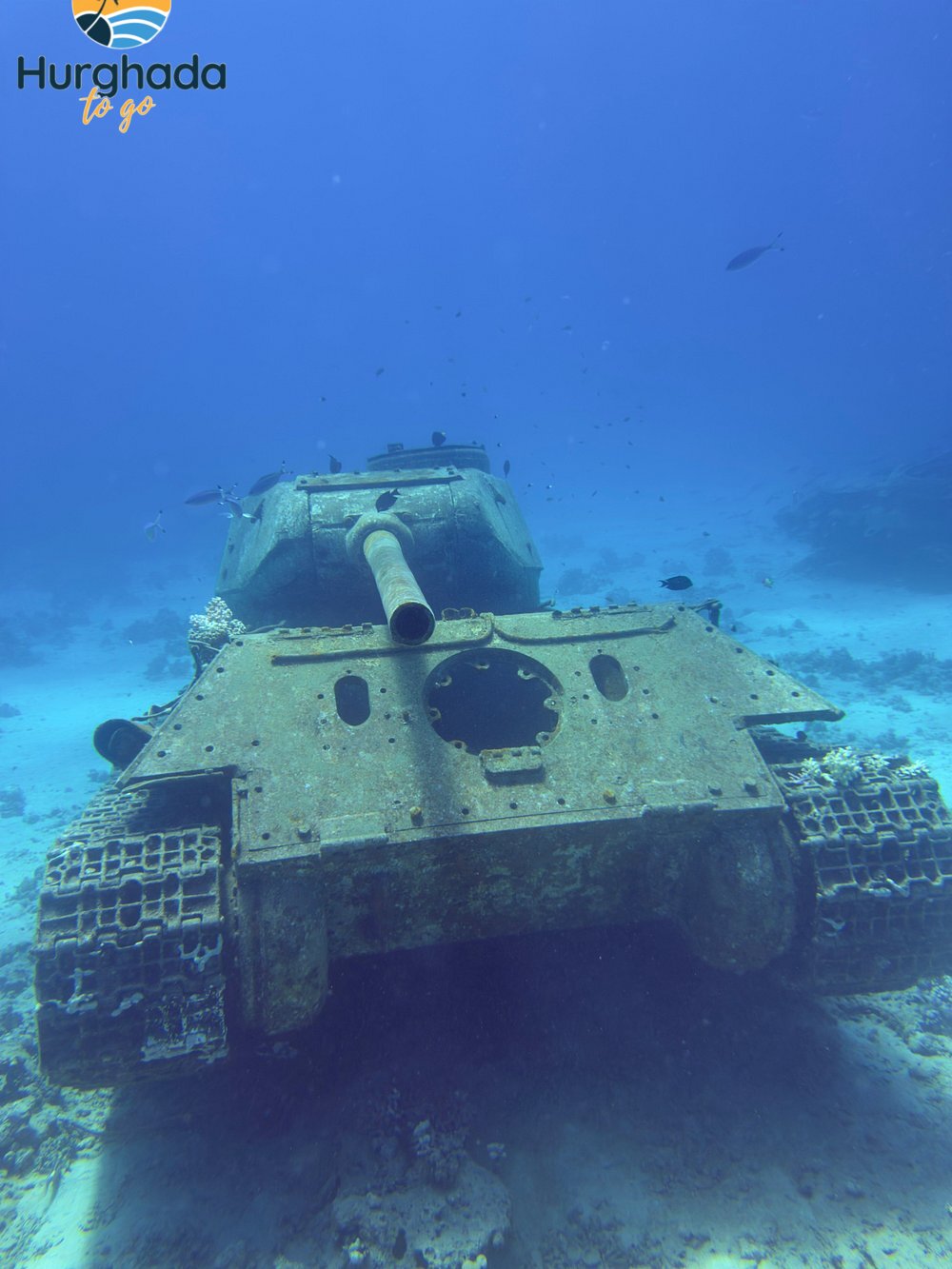
The Red Sea Diving Safari — a liveaboard dive trip spending multiple days and nights on a purpose-built dive boat — is the ultimate Red Sea Egypt experience for serious divers. The liveaboard format gives access to dive sites that are unreachable on day trips from the shore: the Brothers Islands (Big Brother and Little Brother) in the far southern Red Sea, Elphinstone Reef (one of the world’s great oceanic dive sites), Zabargad, and the Rocky Island — all in areas where hammerhead sharks, thresher sharks, whale sharks, and oceanic whitetips are regularly encountered.
PADI Courses in Hurghada — Learn to Dive in the Red Sea
Hurghada is one of the world’s finest locations to learn to dive — warm water, exceptional visibility, calm conditions, and a choice of shallow training reefs that make the learning process enjoyable rather than intimidating. The PADI Open Water Diver course is the world’s most recognised diving certification, valid at dive centres worldwide, and the Red Sea is an extraordinary place to earn it.
| PADI Course | Duration | Price | What You Get |
|---|---|---|---|
| Discover Scuba (Intro) | Half day | €35 | 1 supervised dive, no certification — perfect for beginners testing the water |
| PADI Open Water | 3 days | €280 | Full PADI certification — dive worldwide to 18 metres |
| PADI Advanced OW | 2 days | €220 | Extends depth to 30 metres — includes navigation and deep dive specialities |
| PADI Rescue Diver | 3 days | €280 | The most comprehensive recreational diving course — first aid + rescue training |
Red Sea Marine Life — What You Will See on Your Dream Dive
The Red Sea is one of the world’s most biodiverse marine environments — and crucially, it has retained this diversity better than most coral reef systems globally because of its relative isolation, warm stable temperature, and high salinity. Approximately 17% of Red Sea fish species are found nowhere else on Earth. Here is what you can realistically expect to encounter on a Red Sea diving Egypt experience:
Is It Safe? — Red Sea Swimming & Diving Safety Guide
Is it safe to swim in the Red Sea in Egypt? Yes — for the vast majority of visitors at designated resort beaches and managed dive sites in Hurghada and Sharm El Sheikh, swimming and diving in the Red Sea is completely safe. The Red Sea is calm, warm, and extremely clear. Designated swimming areas at Hurghada resorts are supervised and clearly marked with buoys.
Why is the Red Sea considered dangerous? The reputation for danger comes from specific, well-documented situations: shark attacks at Sharm El Sheikh in 2010 (linked to illegal dumping attracting pelagic sharks into shallow water — a situation that has since been managed), strong currents at specific advanced dive sites (the Blue Hole’s “Arch,” Ras Mohammed’s walls), and the general dangers of scuba diving if proper safety protocols are not followed. These are not dangers for resort swimmers or guided divers.
🛡️ Red Sea Safety — Standard Guidelines
- Always dive with a PADI-certified guide or instructor — never dive alone in the Red Sea
- Respect coral reefs — no touching, no standing on coral, no collecting shells or organisms
- Do not feed fish — disrupts natural behaviour and can attract predatory species
- Follow your guide’s depth and time limits — all Hurghada To Go dive guides are certified and experienced
- Swim in designated areas at resorts — beach flags indicate safe swimming zones
- Wear reef-safe sunscreen — standard sunscreen damages coral reefs; reef-safe formulations are required at most Egyptian marine parks
Red Sea Egypt Weather — Best Time to Dive
| Period | Air Temp | Water Temp | Diving Verdict |
|---|---|---|---|
| December – February | 18–24°C | 22–24°C | ★★★★★ Peak — excellent visibility, less crowded |
| March – May | 24–32°C | 23–26°C | ★★★★★ Excellent — warming water, mantas at Brothers |
| June – August | 32–40°C | 27–29°C | ★★★★ Very good — hot air, warm water, great for snorkelling |
| September – November | 26–34°C | 26–29°C | ★★★★★ Best for sharks — hammerheads at Brothers peak Sept–Oct |
Red Sea Egypt weather is essentially favourable for diving year-round — water temperature never drops below 22°C and visibility is consistently high. The Red Sea is one of the very few dive destinations in the world where there is genuinely no “bad season.” The choice of timing depends on what you specifically want to see: hammerhead and oceanic shark encounters peak September–November; mantas and whale sharks are most common March–May; winter offers the best visibility and the most comfortable air temperatures for non-beach activities.
Reviews — Dream Dive Experiences in the Red Sea Egypt
“Had never dived before. My wife convinced me to try the introductory dive at Hurghada and it completely changed my life. Within 10 minutes underwater I understood why people become obsessed with diving. We came back the following week and completed the full PADI Open Water course. The Red Sea visibility is extraordinary — nothing could prepare me for the colour and abundance of the reef. Book through Hurghada To Go — brilliant instructors.”
“The SS Thistlegorm wreck is the single greatest dive of my 15 years of scuba diving. Motorcycles, trucks, train carriages — all perfectly preserved at 30 metres, covered in coral and surrounded by thousands of fish. The WWII cargo holds feel like a time capsule. The dive guide was exceptional — knew every part of the wreck and gave us maximum time in the most interesting sections. Booked through Hurghada To Go, perfectly organised.”
“Took the family snorkelling at Dolphin House — 10-year-old twins. The dolphin pod was absolutely extraordinary — 80+ spinner dolphins surrounding us in the water, completely at ease. My children have not stopped talking about it in the three months since. The Red Sea Egypt is an entirely different world from the ancient sites — and equally extraordinary. The combination of history and ocean made our Hurghada holiday unforgettable.”
10 Insider Tips for Your Red Sea Dream Dive
Tip 2 — Book the Thistlegorm trip on a quiet day. The SS Thistlegorm is visited by many dive boats simultaneously on busy days — particularly in peak season. Ask our team to recommend the least crowded days. Midweek, low season, and the first boat of the morning all produce significantly better experiences on this extraordinary wreck.
Tip 3 — Dolphins at Dolphin House are best in the early morning. The spinner dolphin pod at Sha’ab El Erg is resident year-round but most active and closest to the surface in the morning hours (07:00–10:00). Afternoon visits are still good but the pod is often in deeper water or further from the reef. Book the earliest available morning departure.
Tip 4 — Use reef-safe sunscreen. Standard chemical sunscreens are damaging to coral reefs and are prohibited in Egyptian marine national parks (Giftun Island, Ras Mohammed). Reef-safe mineral sunscreens (zinc oxide based) are available in Hurghada pharmacies and dive shops. Apply before leaving the hotel rather than on the boat.
Tip 5 — A 3mm wetsuit is recommended October–May. Water temperature is comfortable without a wetsuit in summer (June–September at 27–29°C) but a 3mm wetsuit is strongly recommended October–May when water cools to 22–24°C. After an hour underwater, even 24°C feels cold without protection. All equipment including wetsuits is provided on Hurghada To Go tours.
Tip 6 — Complete the PADI eLearning before arrival. The PADI Open Water course includes a theory component that can be completed online before you arrive in Hurghada via PADI’s eLearning system. Doing this in advance saves approximately 4–6 hours of classroom time in Hurghada, allowing more water time over the 3-day course. Ask our team for the eLearning link when booking.
Tip 7 — The Red Sea diving safari requires Advanced OW certification minimum. The Brothers Islands, Elphinstone, and other deep pelagic sites on the diving safari require PADI Advanced Open Water certification at minimum, and some sites require Rescue Diver. If you are Open Water only, these sites are not accessible. Ask our team — we can recommend which safari routes are appropriate for your certification level.
Tip 8 — Underwater cameras — bring your own or hire. Hurghada dive centres offer underwater camera hire but quality varies. A GoPro with a red filter (removes the blue cast from underwater video) produces far superior results. Renting a GoPro from a reputable supplier in Hurghada is the most practical option for non-photographers who want to capture the experience.
Tip 9 — Seasickness — take precautions for offshore trips. The Thistlegorm, Giftun Island, and any diving safari involve open-water boat travel. If you are prone to seasickness, take medication the night before (Stugeron or Kwells from UK pharmacies, or Dramamine from Hurghada pharmacies). The Red Sea is generally calm but the open water crossing to the Thistlegorm can be choppy.
Tip 10 — Non-divers are equally welcome. Snorkelling at Dolphin House, Orange Bay, and Giftun Island is extraordinary — you do not need to dive to experience the Red Sea Egypt. Glass-bottom boat tours are available for guests who cannot snorkel. Every Hurghada To Go Red Sea excursion accommodates both divers and non-divers simultaneously on the same boat.
Frequently Asked Questions — Red Sea Egypt Dream Dive
Book Your Red Sea Dream Dive — Hurghada To Go
Snorkelling from €25 · Introductory Dive from €35 · Fun Diving from €55 · Thistlegorm Wreck from €85 · PADI Open Water from €280 · Diving Safari from €150/day.
PADI-certified instructors · All equipment provided · Small groups · Giftun Island · Dolphin House · Thistlegorm · Best dive sites in the Red Sea.
Luxury Sailing to Orange Bay
Nemo Island Hurghada
Swimming with Dolphins Hurghada
All Red Sea Excursions
Best Things to Do in Hurghada 2026
📱 Follow Hurghada To Go
Stay updated with the latest Red Sea diving news, special offers, and travel inspiration from Egypt’s finest excursion team.