Discovering the Magical World of Red Sea Fishes
Brought to you by HurghadaToGo
Introduction: Welcome to the Underwater Kingdom of the Red Sea Fishes
When one thinks of the Red Sea, images of crystal-clear waters, thriving coral reefs, and exotic marine life immediately come to mind. This incredible body of water, nestled between Africa and the Arabian Peninsula, is one of the most biologically diverse marine ecosystems in the world. It is home to more than 1,000 species of fish and over 150 types of coral. These numbers alone paint a picture of a vibrant, colorful, and dynamic underwater kingdom that is just waiting to be explored. At HurghadaToGo, we invite you to dive beneath the surface with us and discover the rich tapestry of marine life that makes the Red Sea one of the top snorkeling and diving destinations on the planet.
Whether you are a seasoned scuba diver or a casual snorkeler, the Red Sea offers something for everyone. The waters are warm, visibility is typically excellent, and the reef systems are teeming with life. But what makes the Red Sea so unique is the wide array of fish species that call it home. From the graceful movements of the oceanic whitetip shark to the dazzling hues of the clownfish and the secretive moray eel, the Red Sea presents an underwater spectacle unlike any other.
Join us as we delve into the wonders of the Red Sea fishes. Learn about their physical features, behaviors, habitats, and conservation needs. Let us help you prepare for your next marine adventure by educating you about the amazing aquatic life you’ll encounter beneath the surface of this marine paradise.
Enchanting Marine Life of the Red Sea
Section I: The Red Sea Fishes Biodiversity
The sheer variety of fish species in the Red Sea is staggering. Scientists estimate that over 17% of the fish species here are endemic, meaning they are found nowhere else on Earth. This makes diving or snorkeling in the Red Sea not just an adventure but a rare ecological encounter.
What makes these fishes so extraordinary? Beyond their vivid colors and unique patterns, Red Sea fishes have evolved in isolation due to the sea’s relatively young geological age and its geographic barriers. The result? A stunning display of evolutionary creativity. Some fish are so tiny you might miss them if you’re not looking carefully, like the pygmy angelfish, while others like the Napoleon wrasse can grow up to 2 meters in length and dominate the reef with their commanding presence.
The Red Sea is divided into three regions: the Gulf of Aqaba, the central Red Sea, and the southern Red Sea. Each region offers slightly different ecological conditions, which has led to distinct species assemblages. In shallow coral gardens, you’ll see swarms of anthias and damselfish darting about, while deeper waters harbor elusive species like the guitarfish or the ghost pipefish.
The Splendor of Red Sea Fish: A Vibrant Underwater Kingdom
Section II: Spotlight on Iconic Red Sea Species
1. The Oceanic Whitetip Shark
Physical Features and Behavior:
The oceanic whitetip shark is among the most majestic apex predators of the Red Sea. Recognizable by its long, rounded fins with distinctive white tips, this shark is both beautiful and formidable. It can grow up to 4 meters in length and is known for its slow, almost languid swimming style.
Habitat and Conservation:
Often found far from shore in the open sea, the oceanic whitetip plays a critical role in maintaining the health of marine ecosystems by controlling populations of mid-level predators. Unfortunately, this species is now listed as “Critically Endangered” by the IUCN due to overfishing and bycatch. Divers and snorkelers should approach with respect and avoid feeding or disturbing them.

Discover the Colorful Fishes of the Red Sea
2. The Blue Spotted Stingray
Physical Features:
With its electric blue spots and flat, disk-like body, the blue spotted stingray is one of the most visually stunning creatures in the Red Sea. These rays typically measure around 70 cm in width and have a long tail equipped with venomous spines.
Behavior and Habitat:
Preferring sandy bottoms near coral reefs, these rays often bury themselves under the sand to avoid predators. When disturbed, they can lash out with their tail, making it essential for divers to be cautious and avoid touching or stepping on them.
Venomous Spines:
Their venomous spines are a defensive weapon against predators and can inflict serious pain on humans. However, stingrays are generally docile and will not attack unless provoked.

3. The Moray Eel
Physical Appearance:
Moray eels may appear intimidating with their long, snake-like bodies and sharp teeth, but they are a fascinating and essential part of the reef ecosystem. The giant moray eel can reach lengths of up to 3 meters and often resides in coral crevices.
Feeding Habits:
These eels are carnivorous, feeding mainly on fish, crustaceans, and cephalopods. They are nocturnal hunters and are known for their ambush tactics. Their second set of jaws, known as pharyngeal jaws, help them grab and pull prey into their throats.
Sexual Adaptation:
Incredibly, some moray eels can change sex during their lifespan. This phenomenon, known as sequential hermaphroditism, helps maintain reproductive success when mates are scarce.

4. The Snake Eel
Physical Description and Habitat:
Not to be confused with true eels, snake eels are a separate group known for their ability to burrow into sand and mud. They have elongated, cylindrical bodies and often appear motionless, waiting for prey to pass by.
Adaptations:
Their camouflaging ability and patience make them efficient predators. Despite their terrifying appearance, snake eels are generally harmless to humans.

5. The Tassled Scorpionfish
Appearance and Camouflage:
This fish is a master of disguise. With its tassel-like skin extensions and mottled coloration, it blends seamlessly into rocky reef environments. Divers often pass by scorpionfish without even noticing them.
Venom:
It’s essential to know that the tassled scorpionfish is venomous. Its dorsal spines contain toxins that can cause severe pain. It’s not aggressive, but accidental contact can be dangerous. Always be cautious when placing hands or feet near the seabed.

Section III: Common Reef Fishes of the Red Sea
Clownfish: The Iconic Ambassadors of Coral Reefs
Among the hundreds of species that inhabit the Red Sea, the clownfish stands out not only for its striking appearance but also for its captivating behavior and unique ecological relationships. With its vibrant orange coloration, accented by clean white bands outlined in black, the clownfish is instantly recognizable and has captured the public’s imagination—especially after being immortalized in animated films that introduced its charm to audiences around the world. However, there’s much more to these little fish than just their fame in pop culture.
Clownfish, scientifically belonging to the Amphiprioninae subfamily, are small, active, and highly territorial fish that play an essential role in reef ecosystems. Typically growing to about 10 to 18 centimeters in length, they may be small in size but are large in personality. Their bold patterns and curious nature make them a favorite among divers and snorkelers exploring the warm, shallow waters of the Red Sea.
What truly sets clownfish apart is their extraordinary symbiotic relationship with sea anemones—a mutualistic partnership that showcases one of the most fascinating examples of marine cooperation. While many fish avoid sea anemones due to their venomous stinging cells (nematocysts), clownfish are specially adapted to live within their protective tentacles. This relationship is mutually beneficial: the clownfish gains shelter from predators within the anemone’s stinging embrace, while the anemone benefits from food particles brought by the fish, as well as increased water circulation due to the clownfish’s constant movement.
This partnership begins with a ritual of acclimatization. When a clownfish approaches a new anemone, it performs a careful “dance,” gently brushing against the tentacles over several hours or even days. This process allows the clownfish’s body to develop a protective mucous coating that prevents the anemone’s stings from harming it. Once accepted, the anemone becomes the clownfish’s permanent home, where it will live, mate, and defend its territory.
Another remarkable trait of clownfish is their complex social structure and reproductive behavior. These fish live in small groups consisting of a dominant breeding pair and several non-breeding subordinates. In a fascinating twist of nature, clownfish are protandrous hermaphrodites, meaning they are all born male. The dominant male has the ability to transform into a female if the current female dies or disappears, ensuring the stability and reproductive continuity of the group. This ability to change sex according to the social hierarchy is an extraordinary evolutionary adaptation rarely found in other vertebrates.
In the Red Sea, clownfish are most often observed swimming energetically around their host anemones in shallow lagoons and protected reef areas. Their constant motion helps them avoid predators like groupers and lionfish. Despite their small size, clownfish are surprisingly bold and will often confront intruders, including divers, who come too close to their host anemone.
Unfortunately, like many marine species, clownfish are not immune to the threats posed by climate change, coral reef degradation, and the aquarium trade. Rising sea temperatures can lead to coral bleaching, which indirectly affects anemone health and, in turn, the clownfish populations that depend on them. Unsustainable harvesting practices for aquariums have also led to localized declines in wild populations. However, ongoing conservation efforts and the increasing popularity of sustainable, captive-bred clownfish for the pet trade are helping reduce pressure on wild stocks.
For anyone diving or snorkeling in the Red Sea, encountering a clownfish in its natural habitat is a moment of magic. Watching the intricate dance between this tiny, brave fish and its sea anemone companion is not just a visual delight—it’s a glimpse into the delicate balance of life on a coral reef. Their presence is a reminder of the beauty, complexity, and interdependence that define life beneath the waves.
Sohal Tang: The Striped Sentinel of the Red Sea Reefs
One of the most visually captivating and behaviorally intriguing fish species you’ll encounter while diving or snorkeling in the Red Sea is the Sohal Tang (Acanthurus sohal). Instantly recognizable by its bold pattern of electric-blue and white horizontal stripes, the Sohal Tang is a proud resident of the coral reef ecosystems that make this region so biologically diverse. But don’t be fooled by its elegant appearance—this fish has a feisty personality and a territorial nature that has earned it a reputation among divers and marine biologists alike.
Endemic to the Red Sea and parts of the northwestern Indian Ocean, the Sohal Tang is a species of surgeonfish, a family named for the sharp, scalpel-like spines located near their tails. These spines are not just for show—they are used defensively and offensively, especially when the Sohal is challenged by intruders in its domain. The Sohal Tang is highly territorial and will aggressively defend its feeding grounds from other herbivorous fish, including other tangs and parrotfish. Even much larger fish and unwelcome divers can be on the receiving end of its bold displays of dominance.
Growing up to 40 centimeters in length, the Sohal Tang is one of the larger members of the surgeonfish family. Its body is streamlined and oval-shaped, perfect for navigating through the complex architecture of coral reefs. The vibrant blue and white stripes running horizontally along its flanks are accented by an orange patch near the tail—an area housing the razor-sharp defensive spines that give the surgeonfish its name. These colors not only make the Sohal a favorite subject of underwater photography but also serve as a warning to potential rivals or predators.
Despite its aggressive temperament, the Sohal Tang plays a crucial and positive role in the health of reef ecosystems. As a dedicated herbivore, it spends much of its day grazing on algae that grow on corals and rocks. Without the constant grazing from fish like the Sohal Tang, algae could quickly overgrow and suffocate corals, disrupting the balance of the reef ecosystem. In this way, the Sohal Tang is not just a beautiful reef resident—it’s an ecological gardener, maintaining the delicate equilibrium between coral and algae that keeps the reef thriving.
These fish prefer the shallow reef flats and lagoons of the Red Sea, often seen patrolling coral-covered slopes or exposed reef crests where algae grow abundantly. They are diurnal creatures, active during the day and retreating to sheltered reef crevices to rest at night. Their bold coloration remains vivid in the bright daylight, making them easy to spot and a favorite among underwater explorers.
Observing a Sohal Tang in action is a window into the dynamics of reef life. You might see one flashing its tail toward a competitor or darting swiftly to chase away an intruder. Despite their solitary and defensive nature, Sohal Tangs are endlessly fascinating to watch, especially when engaged in these territorial rituals.
While not currently classified as endangered, the Sohal Tang—like many reef fish—is susceptible to environmental threats such as habitat degradation, overfishing, and climate change. Reef damage caused by rising sea temperatures and coral bleaching events affects the entire food chain, including the algae that Sohal Tangs depend on for sustenance. Additionally, their striking appearance has made them popular in the aquarium trade, sometimes leading to unsustainable collection practices in parts of their range.
For eco-conscious travelers and marine enthusiasts, it’s important to enjoy these creatures responsibly. Avoid chasing or cornering them for photos, and support dive centers and tour operators like HurghadaToGo, who promote reef-friendly tourism and marine conservation.
In the grand theater of the Red Sea reef, the Sohal Tang is both a star performer and a vigilant guardian. Its beauty is matched by its boldness, and its role in reef ecology is as important as it is fascinating. Spotting one during your underwater journey is not just a visual treat—it’s a moment of connection with the pulse of the reef itself.
Red Sea Bannerfish:
Renowned for their elegant appearance and graceful movements, Red Sea Bannerfish (Heniochus intermedius) are a common yet captivating sight in the coral reefs of the Red Sea. These fish are easily recognized by their elongated, banner-like dorsal fin that trails behind them like a flowing ribbon, enhancing their delicate beauty. Their contrasting black, white, and yellow coloration makes them stand out vividly among the reef’s vibrant backdrop.
Often observed swimming in bonded pairs, Red Sea Bannerfish display a strong sense of companionship, commonly seen hovering near coral heads or gently gliding through lagoons and reef slopes. Their diet primarily consists of zooplankton, which they filter from the water column with precision and efficiency.
In addition to their visual appeal, these fish contribute to the ecological balance of the reef by helping regulate plankton levels. Their peaceful nature and social behavior, coupled with their ornamental elegance, make them a favorite among divers and underwater photographers exploring the Red Sea’s marine biodiversity.
Picasso Triggerfish:
Striking, bold, and almost surreal in appearance, the Picasso Triggerfish (Rhinecanthus aculeatus) is one of the most visually fascinating inhabitants of the Red Sea’s shallow lagoons and coral reefs. Often referred to as the lagoon triggerfish, this species earns its artistic name thanks to the abstract pattern of vibrant colors—blues, yellows, blacks, and whites—that crisscross its body like brushstrokes on a modernist painting. Its intricate design resembles the chaotic genius of Picasso himself, making it a living masterpiece beneath the waves.
Despite its relatively small size, the Picasso Triggerfish is not to be underestimated. It is equipped with a strong, triangular jaw and incredibly powerful teeth capable of crushing hard-shelled prey such as sea urchins, mollusks, and crustaceans. It also occasionally nibbles on pieces of coral, using its robust bite to access hidden invertebrates. This feeding behavior plays an important role in maintaining ecological balance within the reef environment.
Territorial by nature, especially during the breeding season, this fish is known to defend its space aggressively from intruders—be they fish or unwary divers. Its unique swimming style, using undulating dorsal and anal fins for precise maneuvering, allows it to navigate tight reef structures with ease.
Colorful, curious, and confident, the Picasso Triggerfish exemplifies the exotic diversity of the Red Sea, captivating snorkelers and scuba divers with its vivid presence and artistic flair.
These reef fish are just a glimpse into the biodiversity of the Red Sea. The true magic lies in observing them interact within their natural habitat.
Section IV: Conservation and Responsible Tourism
The beauty of the Red Sea is fragile. Climate change, unsustainable tourism, overfishing, and coral bleaching threaten this underwater haven. As visitors and ocean lovers, it is our responsibility to protect and preserve it.
What You Can Do:
- Avoid touching or stepping on coral.
- Don’t chase or feed marine animals.
- Use reef-safe sunscreen.
- Support local conservation projects.
- Choose responsible tour operators like HurghadaToGo that follow ethical diving and snorkeling practices.
By learning about the marine life and understanding their importance in the ecosystem, we help ensure that future generations can enjoy the Red Sea’s wonders just as we do.
The Hidden Beauty of Red Sea Fishes
The Red Sea is one of the most biologically rich and visually stunning marine ecosystems on Earth. From vibrant coral reefs to crystal-clear waters, it offers the perfect environment for a wide variety of unique marine life. But nothing captures the imagination quite like the Red Sea fishes, known for their dazzling colors, unusual shapes, and curious behaviors.
Red Sea Fishes: Nature’s Underwater Masterpieces
Every dive into the Red Sea feels like stepping into a living painting. The marine life here is incredibly diverse, with over 1,200 species of fish, 10% of which are found nowhere else in the world. From the whimsical Picasso Triggerfish to the elegant Red Sea Bannerfish, the region is home to true underwater works of art.
Discover the Magical World of Red Sea Fishes
There is something magical about the way fish move in the Red Sea—graceful, fluid, and full of purpose. Whether you’re snorkeling off the coast of Hurghada, El Gouna, or diving near Giftun Island, the sheer variety of fish you can encounter is breathtaking. Some fish form schools that move like a single organism, while others hide within coral structures, revealing themselves only to the patient observer.
A Diver’s Guide to Red Sea Fishes
If you’re planning a dive trip, knowing what to look out for adds an entirely new layer to the experience. Here’s a short list of iconic fish species every diver should try to spot:
-
Clownfish – Famous from the movie “Finding Nemo,” these are often found in sea anemones.
-
Picasso Triggerfish – With abstract art-like patterns and powerful jaws, these are truly fascinating.
-
Red Sea Bannerfish – Often seen in elegant pairs, floating around coral heads.
-
Blue-Spotted Stingray – A gentle creature with bright electric-blue spots.
-
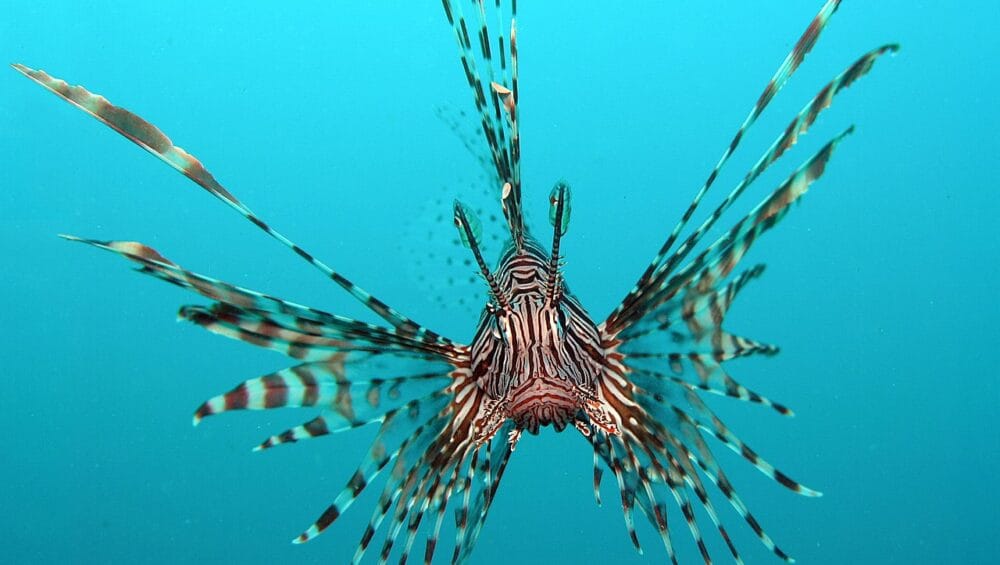
Lionfish – Beautiful but venomous, these fish are a spectacle to behold.
Top 20 Most Stunning Red Sea Fishes You Must See
-
Emperor Angelfish
-
Masked Butterflyfish
-
Napoleon Wrasse
-
Picasso Triggerfish
-
Blue-Spotted Stingray
-
Clownfish
-
Red Sea Bannerfish
-
Yellowtail Barracuda
-
Crown-of-Thorns Starfish
-
Lionfish
-
Sohal Surgeonfish
-
Moorish Idol
-
Arabian Angelfish
-
Parrotfish
-
Stonefish
-
Gobies
-
Pipefish
-
Flasher Wrasse
-
Crocodile Fish
-
Anthias (glassfish)
Each of these species contributes to the Red Sea’s incredible ecosystem. Their colors, shapes, and behavior provide hours of fascination for divers, snorkelers, and marine photographers.
Red Sea Fishes: Colors, Species, and Secrets
The vivid coloration of Red Sea fishes is more than just a visual feast—it’s also a survival mechanism. Some use it for camouflage, others for mating, and some to warn predators of their toxicity. Understanding the reasons behind the hues and patterns gives you a deeper appreciation of the reef life.
Did you know?
-
The Lionfish’s stripes are a warning.
-
The Parrotfish wears vibrant colors and plays a key role in cleaning coral reefs.
-
The Stonefish, dull and rocky in appearance, is one of the most venomous fish in the world.
Exploring the Diversity of Red Sea Fishes
Whether you’re an amateur snorkeler or a professional marine biologist, the diversity of Red Sea fishes is astounding. With everything from tiny gobies that live in the sand to enormous Napoleon wrasse, the Red Sea offers endless species to discover.
And with new species being recorded each year, it remains a hub for scientific exploration and ecological preservation.
Meet the Red Sea Fishes That Will Take Your Breath Away
Some fish just leave you speechless the moment you spot them. Here are a few examples:
-
Napoleon Wrasse – Often growing up to 2 meters, their massive size and gentle eyes are unforgettable.
-
Moorish Idol – With its sleek body and trailing fin, it looks like a creature from a dream.
-
Anthias – Schools of tiny, transparent fish that shimmer in light.
-
Crocodile Fish – Almost impossible to see until it moves—then it startles everyone.
Every encounter is a story you’ll never forget.
The Fascinating Lives of Red Sea Fishes
Fish aren’t just floating decorations; their lives are filled with drama, romance, strategy, and survival. Some fish mate for life, while others change gender. Cleaner wrasses set up stations where larger fish come to get parasites removed. And territorial battles between certain species can be as fierce as any wildlife documentary.
Red Sea Fishes: A Visual Journey Through an Underwater Paradise
If a picture is worth a thousand words, then a dive in the Red Sea is worth a thousand memories. From the vibrant corals to the kaleidoscope of fish species, it’s a visual overload in the best possible way.
Whether you’re capturing these moments with a GoPro, underwater DSLR, or just your eyes, the Red Sea never disappoints. Every moment spent observing fish in their natural habitat is a step closer to understanding and preserving this fragile marine paradise.
Final Thoughts: Dive In and Experience It Yourself
The Red Sea fishes are more than just marine creatures—they are ambassadors of the ocean’s beauty, resilience, and complexity. No blog, video, or photo can truly capture their magic. The only way to understand their world is to dive in and witness it for yourself.
So, pack your snorkel or scuba gear, and prepare to fall in love with the underwater wonders of the Red Sea.
Conclusion: Dive into the Red Sea with HurghadaToGo
The Red Sea is a living museum of evolution, beauty, and biodiversity. Every dive is a journey through vibrant coral gardens, mysterious wrecks, and shimmering schools of fish. From the fierce moray eel to the delicate butterflyfish, each creature has a role to play in this intricate underwater web.
HurghadaToGo offers expert-guided snorkeling and diving trips that introduce you to this magical world with care, respect, and adventure. Whether you’re a first-time snorkeler or a seasoned dive enthusiast, the Red Sea promises unforgettable encounters and lifelong memories.
Book your next adventure today with HurghadaToGo and experience the Red Sea not just as a tourist—but as a passionate explorer of nature’s aquatic masterpiece.
Easy & Secure Booking
Reserve your unforgettable Bianca Island Small Group Day Trip 2026 now through:
🌐 Official Website: hurghadatogo.com
📧 Email: [email protected]
📱 WhatsApp: +201009255585
( For quick personalized assistance WhatsApp Chat )