🏺 West Bank Luxor · Hidden Gems · No Crowds · Private Egyptologist
Tour to Ramesseum, Habu Temples, and the Valley of the Nobles
📅 Updated: April 2026 | ⏱️ 20 min read | 💷 From €175 / person | ⭐ 4.9/5 | 🏺 West Bank Luxor · 3 Hidden Gems
While the Valley of the Kings and Karnak Temple draw the main crowds on Luxor’s West Bank, a tour to Ramesseum, Habu Temples, and the Valley of the Nobles reveals an entirely different dimension of ancient Egypt — quieter, more intimate, and in many ways more rewarding. These three extraordinary sites, clustered together in the southern half of the Theban necropolis, are where Egyptologists go when they want to see the finest painted tomb art in the world, the most complete military reliefs in Egypt, and the fallen colossus that inspired one of the most famous poems in the English language.
This 2026 guide is the most comprehensive resource available on this tour combination. It covers the complete hour-by-hour itinerary from Hurghada, in-depth guides to every site, ticket prices, the best tombs to visit in the Valley of the Nobles, what time the Ramesseum opens, whether Medinet Habu is worth visiting, insider tips from Egyptologist guides, and everything UK travellers need to book with total confidence.
💡 Why this tour is special: The Ramesseum, Medinet Habu, and the Valley of the Nobles receive a fraction of the visitors that go to the Valley of the Kings — yet they contain some of the most extraordinarily preserved painted reliefs and tomb art in Egypt. This is the West Bank for travellers who want depth over tick-lists. No queues, no crowds, and a genuinely unhurried experience with your private Egyptologist.
Why Choose a Tour to Ramesseum, Habu Temples, and the Valley of the Nobles?
Luxor’s West Bank is divided into two very different experiences. The northern half — the Valley of the Kings, Hatshepsut’s Temple, and the Colossi of Memnon — receives the majority of tourists and is rightly celebrated as one of the great archaeological zones of the world. But the southern half of the West Bank, where the Ramesseum, Medinet Habu, and the Valley of the Nobles sit in relative quiet, is where many Egyptologists argue the finest art and the most illuminating insights into ancient Egyptian life are actually found.
A private tour to the Ramesseum, Habu Temples, and the Valley of the Nobles gives UK travellers the rare opportunity to stand inside magnificently decorated tombs of ancient Egyptian nobles — not pharaohs, but the administrators, viziers, and craftsmen whose painted tomb walls depict everyday life in New Kingdom Egypt with a vividness and humanity that royal tombs rarely match. Combined with the military grandeur of Medinet Habu and the romantic ruins of the Ramesseum, this is a day that rewards the curious traveller with experiences the mass-market tours completely miss.
Can You Do Luxor in 1 Day? — What This Tour Covers
Can you do Luxor in 1 day from Hurghada? Yes — but you need to choose which half of the West Bank to focus on. This tour dedicates the full day to the three sites that most other tours skip: the Ramesseum, Medinet Habu, and the Valley of the Nobles. If you have already visited the Valley of the Kings and Hatshepsut’s Temple (on a previous trip or on our 2-Day Private Luxor Tour), this tour completes the full West Bank picture. If this is your first visit, combine it with our standard West Bank tour for a 2-day experience — or take this tour as a standalone for a genuinely off-the-beaten-path Luxor day.
🇬🇧 UK Traveller Tip
The Ramesseum, Medinet Habu, and the Valley of the Nobles are all less crowded than the Valley of the Kings — often dramatically so. Some UK travellers who visit the Valley of the Nobles describe walking into tombs with near-perfect 3,500-year-old paintings and finding themselves completely alone. This level of access and intimacy is simply not available at the main tourist sites.
Full Day Itinerary — Tour to Ramesseum, Habu Temples & Valley of the Nobles, Hour by Hour
Your private tour to the Ramesseum, Medinet Habu, and the Valley of the Nobles from Hurghada is structured to visit all three sites at the optimal time of day — arriving early to avoid heat and crowds, spending substantial time at each location, and returning to Hurghada with the full afternoon behind you.
04:00 – 05:00 AM
Private Hotel Pickup in Hurghada
Your private, air-conditioned vehicle collects you directly from your hotel lobby in Hurghada, El Gouna, Sahl Hasheesh, Makadi Bay, or Soma Bay. The Hurghada–Luxor drive covers approximately 260 km and takes around 3 hours via the Red Sea Mountains highway. USB charging ports and bottled water provided. The desert sunrise through the car window is one of the great visual experiences of this journey.
07:00 – 07:30 AM
Arrive Luxor — Nile Crossing to the West Bank
Your Egyptologist guide meets you in Luxor. A short motorboat crossing of the Nile to the West Bank — one of the most evocative moments of the entire day. The Theban Hills rise ahead, their limestone cliffs glowing gold in the morning light. Your private driver meets you on the West Bank shore. First stop: the Antiquities Inspectorate Ticket Office to collect all site tickets for the day.
07:30 – 07:45 AM
Colossi of Memnon — First View of the West Bank
A brief but unmissable photo stop at the two 18-metre quartzite statues of Amenhotep III. These ancient guardians have stood at the entrance to the West Bank for 3,400 years. Your guide explains the Colossi’s history — including the mysterious “singing” phenomenon reported by ancient travellers at dawn. The morning light here is exceptional for photography.
08:00 – 10:00 AM
Medinet Habu — Temple of Ramesses III: Military Reliefs & Sacred Precinct
Your first major site of the day — and arguably the most visually overwhelming structure on the entire West Bank. Medinet Habu is the mortuary temple of Ramesses III, built between 1186 and 1155 BCE, and it is one of the best-preserved New Kingdom temples in Egypt. Two full hours here with your dedicated Egyptologist guide. The visit covers: the Syrian Gate fortified entrance tower, the First and Second Pylons covered in Ramesses III’s military victories over the Sea Peoples and Libyans, the First and Second Courts with their vivid painted reliefs, the inner sanctuary and treasury, and the small Amun temple built by Hatshepsut and Thutmose III that predates Ramesses III’s temple by 300 years.
10:15 – 11:30 AM
The Ramesseum — Mortuary Temple of Ramesses II: The Fallen Colossus & Battle Reliefs
A short drive north to the Ramesseum — the mortuary temple of Ramesses II, built around 1255 BCE on the edge of the cultivation where the desert meets the Nile floodplain. This is the temple that inspired Percy Bysshe Shelley’s famous poem Ozymandias (1818) — the fallen colossus of Ramesses II, once 17 metres tall and weighing over 1,000 tonnes, now lies shattered in the first court, its face turned upward in a magnificent ruin. Your guide walks you through the First Pylon (Battle of Qadesh reliefs), the fallen colossus, the Hypostyle Hall (48 papyrus columns still standing), the astronomical ceiling of the second hypostyle hall, and the granary complex of mud-brick storerooms — one of the best-preserved administrative complexes in ancient Egypt.
12:00 – 01:00 PM
Nile-View Lunch — Quality Restaurant on the West Bank
Lunch at a quality West Bank restaurant — your guide selects based on food quality, not commission. Authentic Egyptian cuisine: grilled fish, kofta, molokhia, fresh mezze, and Egyptian flatbread. Nile views, shade, and a natural midday rest before the afternoon at the Valley of the Nobles. Vegetarian, halal, and child-friendly options always available.
01:30 – 03:30 PM
Valley of the Nobles — Tombs of Sennofer, Rekhmire, Nakht & Menna: The Finest Painted Art in Egypt
The highlight of the entire day and one of the most extraordinary experiences available on the West Bank. The Valley of the Nobles (also called the Tombs of the Nobles) is a cluster of private tombs belonging to high-ranking officials, viziers, scribes, and nobles of the New Kingdom (1550–1070 BCE). Your ticket typically includes 2–4 tombs from the following selection — your Egyptologist guide chooses the best open on your visit day. Recommended tombs: Tomb of Sennofer (TT96) — the “Tomb of the Vineyards,” famous for its extraordinary painted grapevine ceiling and scenes of Sennofer and his wife in the afterlife; Tomb of Rekhmire (TT100) — vizier under Thutmose III, with scenes of foreign tribute, craftsmen at work, and banquets that give the most detailed picture of court life available; Tomb of Nakht (TT52) — astronomer and scribe under Thutmose IV, with vivid scenes of hunting, fishing, and feasting in brilliant colour; Tomb of Menna (TT69) — a field inspector whose tomb shows agricultural scenes and the weighing of the heart ceremony in extraordinary detail. Two full hours with your guide in these tombs is enough to change how you understand ancient Egypt entirely.
03:30 – 04:00 PM
Optional: Howard Carter’s House & The Spirit of Discovery
A brief optional stop at Howard Carter’s house — the modest stone building where the British Egyptologist lived during his search for Tutankhamun’s tomb. Preserved as a small museum, it contains photographs, personal objects, and the story of the most famous archaeological discovery in history. Located just above the Valley of the Kings on the path toward the Nobles Valley — easily added at the end of the afternoon.
04:00 – 07:00 PM
Private Return Transfer to Hurghada
Your private vehicle takes you directly from the West Bank back to your Hurghada hotel — door to door, no shared stops. The 3-hour return journey includes bottled water. You arrive back at your hotel by approximately 19:00–19:30, with a full evening ahead.
Private vehicle, licensed Egyptologist, all entrance fees included. Free cancellation 24 hours before departure.
🏺 Book This Tour — From €175
The Ramesseum — Mortuary Temple of Ramesses II: Complete Guide
The Ramesseum is the mortuary temple of Ramesses II — the most celebrated pharaoh in Egyptian history, who ruled for 66 years (1279–1213 BCE) and built more temples and erected more statues than any other pharaoh. Built on the West Bank of Luxor at the edge of the Theban necropolis, the Ramesseum was dedicated to the god Amun and to the royal cult of Ramesses himself.
Can You Visit the Ramesseum? — Opening Hours & Ticket Price 2026
Yes — the Ramesseum is fully open to visitors year-round. What time does the Ramesseum temple open? Opening hours are 06:00 AM to 05:00 PM (winter and spring) and 06:00 AM to 06:00 PM (summer). The best time to visit is early morning (before 10:00 AM) when the temperature is lower and the light falls beautifully across the fallen colossus. Tickets cost EGP 220 for foreign adults (approximately €4 / £3.50) — one of the best value sites on the West Bank. Tickets are purchased at the Antiquities Inspectorate Ticket Office on the West Bank, not at the temple itself.
| Detail |
Information |
| Full name |
The Ramesseum — Mortuary Temple of Ramesses II |
| Built by |
Ramesses II (reign 1279–1213 BCE) — the 19th Dynasty |
| Location |
West Bank, Luxor — between the Nile floodplain and the Theban Hills |
| Opening hours |
06:00 AM – 05:00 PM (winter/spring) · 06:00 AM – 06:00 PM (summer) |
| Ticket price 2026 |
EGP 220 (foreign adult) · EGP 110 (student with ID) |
| Where to buy ticket |
Antiquities Inspectorate Ticket Office (West Bank) — not at the temple |
| Recommended visit time |
1.5 hours minimum · Best visited 07:00–10:00 AM or 15:00–17:00 PM |
| Crowd level |
Very low — usually fewer than 20 visitors at any time |
What to See at the Ramesseum — Site by Site
🗿
The Fallen Colossus of Ramesses II
Once 17 metres tall and weighing over 1,000 tonnes — the largest monolithic statue ever carved. Now lying in shattered pieces in the first court. This is the statue that inspired Shelley’s Ozymandias. Its face, turned upward, is one of the most haunting images in Egyptian archaeology.
⚔️
First Pylon — Battle of Qadesh Reliefs
The towering entrance pylon is covered with scenes of Ramesses II’s famous battle against the Hittites at Qadesh (1274 BCE) — the earliest documented peace treaty in history. The reliefs show the pharaoh charging in his chariot, enemies in chaos, and the Egyptian army at full assault.
🏛️
Great Hypostyle Hall — 48 Papyrus Columns
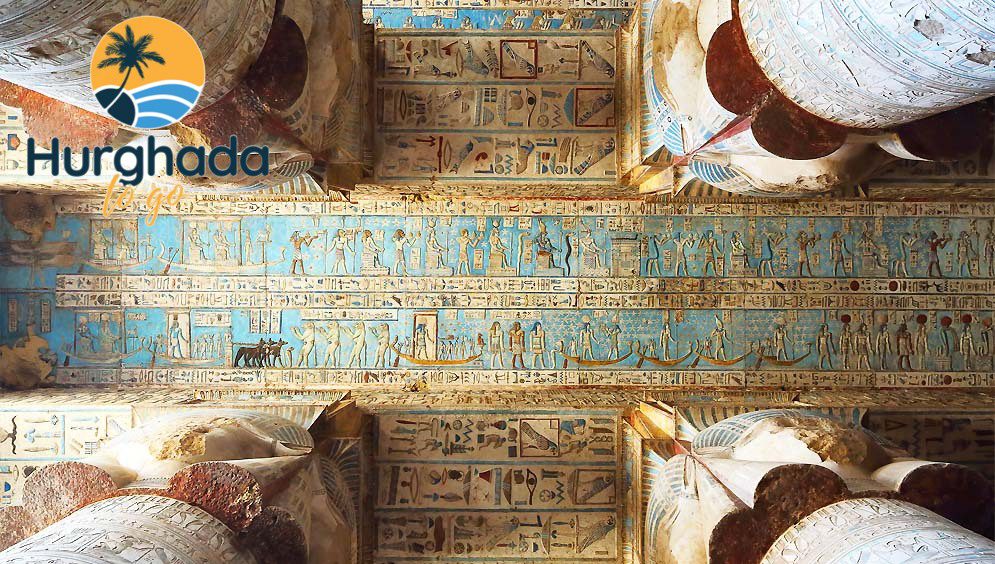
The second hypostyle hall retains 48 of its original papyrus columns — still standing, still bearing traces of original paint. The astronomical ceiling above shows the ancient Egyptian calendar, zodiac, and constellations. One of the finest surviving astronomical ceilings in Egypt.
🏺
The Mud-Brick Granaries — Administrative Complex
Behind the temple, dozens of barrel-vaulted mud-brick storerooms survive from the administrative complex of the Ramesseum. These granaries, workshops, and storage units are some of the best-preserved New Kingdom administrative structures in Egypt — often completely deserted by other tourists.
📜 Literary Connection — Ozymandias: Percy Bysshe Shelley wrote Ozymandias (1818) after seeing drawings of the fallen Ramesseum colossus. “I met a traveller from an antique land / Who said: Two vast and trunkless legs of stone / Stand in the desert…” Standing next to the actual fallen face of Ramesses II that inspired these lines is one of the most extraordinary literary-historical moments available to any traveller in Egypt.
Medinet Habu — What Is the Habu Temple & Is Medinet Habu Worth Visiting?
What is the Habu temple? Medinet Habu (Arabic: مدينة هابو) is an archaeological complex on the southern West Bank of Luxor dominated by the mortuary temple of Ramesses III (1186–1155 BCE). It is one of the largest, best-preserved, and most visually spectacular temple complexes in Egypt — yet it receives a fraction of the visitors that go to Karnak, even though many Egyptologists consider it architecturally superior.
Is Medinet Habu worth visiting? Absolutely — and it consistently ranks as one of the most frequently cited “hidden gems” by experienced Egypt travellers. The temple’s extraordinary military reliefs, its vivid original paint (still visible on the interior columns and walls), its dramatic Syrian Gate entrance tower, and its complex history spanning 1,500 years of Egyptian history make it a genuinely world-class site that deserves at least 2 hours.
Medinet Habu — Ticket Price, Opening Hours & Practical Details 2026
| Detail |
Information |
| Full name |
Medinet Habu — Mortuary Temple of Ramesses III |
| When was Medinet Habu built? |
1186–1155 BCE (Ramesses III); the inner Amun temple dates to Hatshepsut (~1473 BCE) |
| Location |
Southern West Bank, at the foot of the Theban Hills — opposite modern Luxor |
| Temple of Medinet Habu opening hours |
06:00 AM – 05:00 PM daily (year-round) |
| Medinet Habu ticket price 2026 |
EGP 220 (foreign adult) · EGP 110 (student with valid ID) |
| Where to buy tickets |
Antiquities Inspectorate Ticket Office (West Bank) — tickets cannot be purchased at Medinet Habu itself |
| Recommended time |
2 hours minimum · Best in the morning (07:00–10:00 AM) |
| Crowd level |
Low to moderate — far quieter than Valley of the Kings or Karnak |
What to See at Medinet Habu — The Temple of Ramesses III in Detail
🏰
The Syrian Gate — Migdol Fortress Entrance
The dramatic fortified entrance tower, modelled on a Syrian migdol fortress, is unique in Egyptian temple architecture. Two towers flank the gateway, with carved window scenes showing Ramesses III entertaining female companions — a royal harem scene of startling intimacy. The most architecturally distinctive entrance to any temple in Egypt.
⚔️
First & Second Pylons — Sea Peoples Battle Reliefs
The outer walls of Medinet Habu contain the most detailed and best-preserved military reliefs in Egypt — depicting Ramesses III’s victories over the Sea Peoples (around 1176 BCE), the Libyans, and other enemies. These reliefs are historically invaluable: they provide the only contemporary depiction of the mysterious Sea Peoples who threatened to collapse the Bronze Age world.
🎨
Original Painted Reliefs — Colour Preserved 3,000 Years
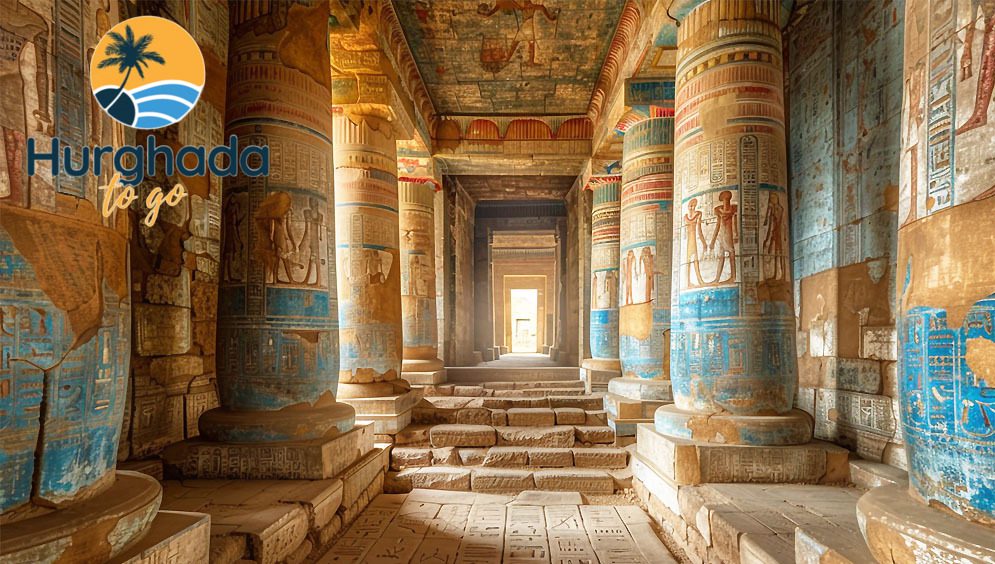
The interior columns and walls of the first and second courts still retain significant original paint — reds, yellows, blues, and greens applied over 3,000 years ago. The colours inside the hypostyle hall are particularly vivid. This is what all Egyptian temples looked like in their prime, and Medinet Habu preserves more of this colour than almost any other site.
🕊️
Small Amun Temple — Hatshepsut & Thutmose III
Inside the Medinet Habu complex sits a small Amun temple built by Hatshepsut and Thutmose III — 300 years older than Ramesses III’s main temple. This architectural gem is often overlooked even by those who visit Medinet Habu. Your Egyptologist guide will take you here specifically.
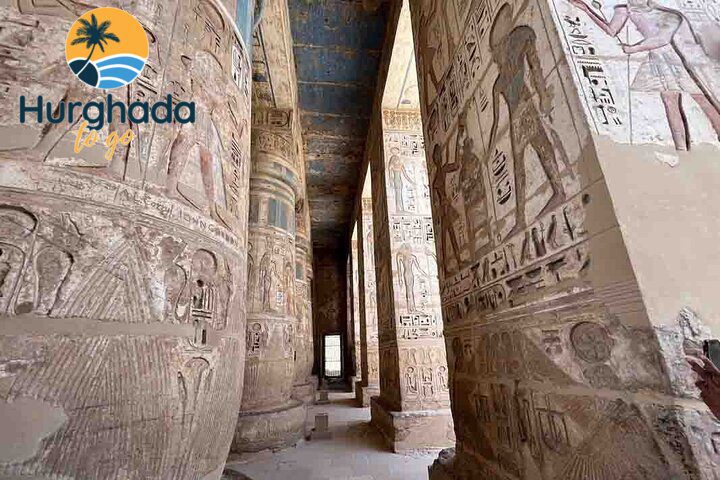
Valley of the Nobles Luxor — Which Tombs to Visit & What Is the Valley of the Nobles?
What is the Valley of the Nobles? The Valley of the Nobles (also called the Tombs of the Nobles or Sheikh Abd el-Qurna) is a cluster of approximately 500 private tombs carved into the Theban hills, belonging to high-ranking officials, nobles, scribes, viziers, and artisans of the New Kingdom (1550–1070 BCE). Unlike the royal tombs of the Valley of the Kings — which focus on the pharaoh’s journey through the underworld — the Nobles’ tombs depict everyday life in ancient Egypt with extraordinary vividness and warmth: harvests, banquets, musicians, children playing, craftsmen at work, and hunting expeditions in the marshes.
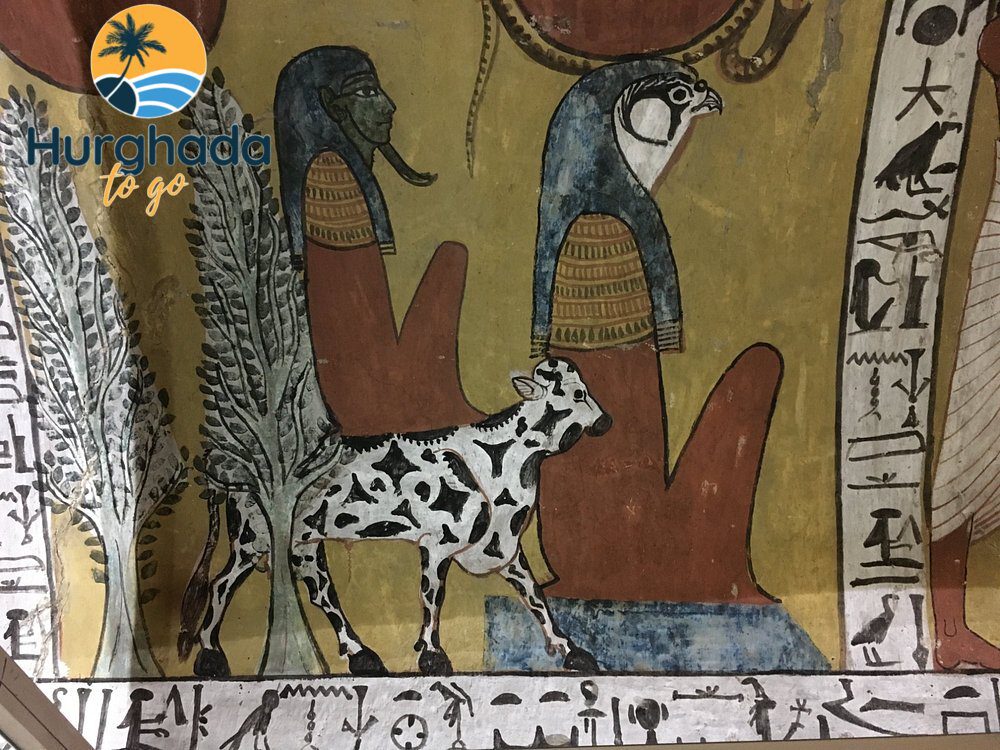
Is the Valley of the Nobles worth visiting? For many experienced Egypt travellers, the Valley of the Nobles is the single most rewarding site on the entire West Bank — precisely because it shows you the human side of ancient Egypt in a way that royal tombs cannot. The paintings in tombs like Sennofer and Nakht are not funerary images but celebrations of life — wine, music, love, and the natural world rendered in colours that have survived 3,500 years in extraordinary condition.
Which Tombs to Visit in Luxor — The Best Nobles’ Tombs in 2026
Tickets for the Valley of the Nobles are sold in pairs — each ticket covers two specific tombs. Your Egyptologist guide selects the best combination open on your visit day. Here are the top tombs and what makes each unmissable:
TT96 · Ticket EGP 120
Tomb of Sennofer — “Tomb of the Vineyards”
Sennofer was Mayor of Thebes and Overseer of Gardens under Amenhotep II (1427–1400 BCE). His tomb is one of the most celebrated in Egypt — the entire ceiling of the burial chamber is covered with a painted grapevine trellis, creating the effect of sitting beneath an ancient Egyptian vineyard. The paintings of Sennofer and his wife Meryt are among the most tender in ancient Egyptian art.
★ Highly recommended — do not miss
TT100 · Ticket EGP 120
Tomb of Rekhmire — The Vizier’s Window on the World
Rekhmire was vizier (prime minister) under Thutmose III and Amenhotep II — the most powerful official in Egypt below the pharaoh. His tomb contains some of the most historically rich paintings in Egypt: scenes of foreign delegations bringing tribute (Nubians, Syrians, Cretans, Punties), craftsmen at work in the royal workshops, and a remarkable scene of the inspection of grain stores. A window into how the Egyptian empire actually functioned.
★ Essential for history enthusiasts
TT52 · Ticket EGP 120
Tomb of Nakht — Hunting, Fishing & the Feast of Life
Nakht was astronomer and scribe under Thutmose IV. His small but exquisite tomb contains some of the most vivid and joyful paintings in the Nobles’ Valley — hunting in the papyrus marshes, fishing from a reed boat, three female musicians playing flute, lute, and harp at a banquet, and scenes of the grape harvest. The colours are exceptionally well-preserved. One of the most frequently photographed tombs in the Valley of the Nobles.
★ Best colours and atmosphere
TT69 · Ticket EGP 120
Tomb of Menna — Agricultural Scenes & the Weighing of the Heart
Menna was a field inspector (scribe of the fields) under Thutmose IV and Amenhotep III. His tomb offers outstanding agricultural scenes — surveyors measuring fields, farmers harvesting grain, labourers winnowing wheat — alongside the iconic weighing of the heart ceremony from the Book of the Dead, shown in vivid detail. A remarkable insight into the economic administration of ancient Egypt.
★ Best agricultural and economic scenes
Valley of the Nobles — Ticket Prices & Practical Details 2026
| Detail |
Information |
| Number of tombs open |
Approximately 6–8 tombs open at any time (of ~500 total) |
| Ticket structure |
Tickets sold in pairs — each ticket covers 2 specific tombs |
| Ticket price 2026 |
EGP 120 per pair (Sennofer + Rekhmire) · EGP 60 (student) |
| Where to buy |
Antiquities Inspectorate Ticket Office (West Bank) — must be pre-purchased |
| Photography |
Camera ticket required for photography — purchase at ticket office |
| Opening hours |
06:00 AM – 05:00 PM daily |
| Crowd level |
Very low — often completely empty inside individual tombs |
Colossi of Memnon — Guardians of the West Bank & the “Singing” Mystery
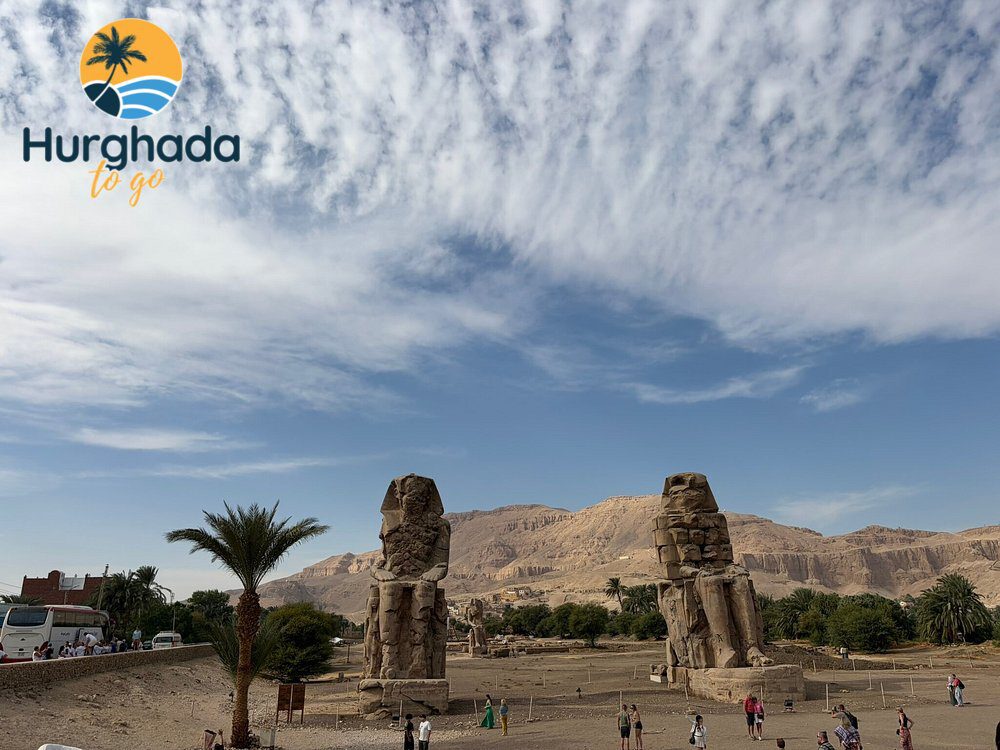
Every West Bank tour begins with the Colossi of Memnon — two 18-metre quartzite statues of Pharaoh Amenhotep III that have stood at the entrance to the West Bank for 3,400 years. Once the gateway to the largest mortuary temple ever built in Egypt (now largely eroded), the Colossi are among the most iconic images in Egyptian archaeology.
Ancient Greek and Roman travellers reported that the northern colossus produced a musical sound at dawn — a whistling or singing attributed to the hero Memnon calling to his mother Eos (the goddess of dawn). Modern analysis suggests the sound was produced by the thermal expansion of the stone after cool desert nights — a phenomenon that stopped after the statue was repaired in 199 CE by Emperor Septimius Severus. Your Egyptologist guide will tell this story at the colossus, adding a layer of classical history to the ancient Egyptian experience.
2026 Ticket Prices — All Sites on This Tour
All entrance fees for the sites on this tour are purchased at the Antiquities Inspectorate Ticket Office on the West Bank — not at the individual sites. Your Egyptologist guide will handle all ticketing as part of your private tour. Here is the complete breakdown:
| Site |
EGP (Adult) |
€ Approx. |
£ Approx. |
| Medinet Habu |
EGP 220 |
~€4.20 |
~£3.60 |
| Ramesseum |
EGP 220 |
~€4.20 |
~£3.60 |
| Valley of the Nobles (2 tombs) |
EGP 120 per pair |
~€2.30 |
~£2.00 |
| Valley of the Nobles (4 tombs) |
EGP 240 (2 tickets) |
~€4.60 |
~£3.90 |
| Colossi of Memnon |
Free |
Free |
Free |
| Howard Carter’s House (optional) |
EGP 50 |
~€0.95 |
~£0.80 |
| Total per person (all sites) |
EGP 610–660 |
~€11.50 |
~£10.00 |
💳 Payment Note
As of 2026, most Luxor sites accept credit or debit card payment. However, the Antiquities Inspectorate Ticket Office on the West Bank sometimes has connectivity issues — bring EGP cash as a backup. Your guide will advise on the day. All entrance fees for this tour are included in the tour price — no surprises at the ticket office.
Tour Pricing — What Is Included & What Is Not
From (group of 4+)
€175
per adult · ~£150 per person
✓ Private Vehicle · ✓ All Entrance Fees · ✓ Licensed Egyptologist · ✓ Lunch
Children (0–12): 50% · Solo traveller supplement applies
Included
✓ Private round-trip air-conditioned vehicle (Hurghada ↔ Luxor West Bank)
✓ Licensed English-speaking Egyptologist guide (dedicated to your group)
✓ All entrance fees: Medinet Habu, Ramesseum, Valley of the Nobles (4 tombs), Colossi of Memnon
✓ Nile motorboat crossing to the West Bank
✓ Lunch at a quality West Bank restaurant
✓ Bottled water throughout the day · Free cancellation up to 24 hours before
Not Included
✕ Tips for guide and driver (optional — EGP 50–100 pp appreciated)
✕ Photography camera ticket at the Valley of the Nobles (~EGP 50 extra)
✕ Personal purchases and souvenirs
This Tour vs Standard West Bank Tour — Key Differences
| Feature |
Ramesseum / Habu / Nobles Tour |
Standard West Bank Tour |
| Valley of the Kings |
✕ Not on this tour |
✓ Included |
| Medinet Habu |
✓ 2 hours — fully explored |
✕ Usually skipped or rushed |
| The Ramesseum |
✓ 1.5 hours — fully explored |
✕ Rarely included |
| Valley of the Nobles |
✓ 2 hours — 4 tombs |
✕ Almost never included |
| Crowd levels |
✓ Very low — near-empty sites |
✕ Busy (Valley of the Kings) |
| Best for |
Return visitors · History enthusiasts · Art lovers |
First-time Luxor visitors |
| Price per person |
From €175 |
From €145 |
10 Insider Tips from Egyptologist Guides
Tip 1 — Start with Medinet Habu, not the Ramesseum. Medinet Habu’s scale and completeness make the Ramesseum’s romantic ruins even more striking by contrast. Beginning at Medinet Habu (when it is cooler and emptier at 08:00 AM) and visiting the Ramesseum at 10:15 AM works better logistically and experientially.
Tip 2 — Ask your guide to stand behind the fallen Ramesseum colossus and look up. The perspective from behind the fallen head — looking up at the sky framed by the ruined pylon — is one of the most extraordinary photographic moments on the West Bank and virtually unknown to group tour visitors.
Tip 3 — Visit the Nobles’ tombs in the afternoon, not the morning. The eastern-facing tomb entrances receive morning sun that creates glare inside. Afternoon light (13:00–15:00) falls more gently across the painted walls and produces better photographs of the paintings.
Tip 4 — Do not rush the Tomb of Sennofer. The grapevine ceiling is best experienced by lying on your back and looking upward — as the ancient Egyptians intended. Budget at least 20 minutes in this tomb specifically.
Tip 5 — Purchase a camera ticket for the Valley of the Nobles. Photography inside the nobles’ tombs requires a separate camera ticket (~EGP 50) purchased at the ticket office. Without it, your guide cannot allow photos. The paintings are among the most photogenic in Egypt — worth the extra charge entirely.
Tip 6 — Ask your guide about Rekhmire’s tomb ceiling. The ceiling of the Rekhmire tomb is not painted like most Nobles tombs — it is a vaulted stone ceiling cut at an angle that increases toward the back, giving the impression of immense depth. This architectural trick is rarely explained to visitors.
Tip 7 — Medinet Habu’s inner sanctuary is often locked. Access to the innermost chambers of Medinet Habu requires the guard on duty to unlock them. Your Egyptologist guide knows the correct protocol — make sure to ask about the inner sanctuary when you arrive at the temple.
Tip 8 — The mud-brick granaries of the Ramesseum are completely deserted. Behind the stone temple, the vast mud-brick storehouse complex is almost never visited. Walking through these ancient vaulted storerooms — built to supply the workers who built the temple — is one of the most unexpectedly evocative experiences on the West Bank.
Tip 9 — Bring EGP small notes for tipping. The custodians who unlock specific tomb chambers or escort you through restricted areas appreciate a small tip of EGP 20–50. Your guide will indicate when and how.
Tip 10 — This tour pairs perfectly with the 2-Day Luxor Private Tour. If you have already seen the Valley of the Kings and Karnak on a previous visit or with our 2-Day Luxor tour, this Ramesseum / Habu / Nobles tour completes the entire West Bank and East Bank picture. Together, the two tours represent the full Luxor experience.
Is This Tour Suitable for Families & Children?
Yes — and this tour is actually better for families with children than the Valley of the Kings, for several reasons. The nobles’ tombs are smaller and less physically demanding than the steep descents required by some royal tombs. The Ramesseum’s open-air setting means no claustrophobic passages. And the vivid, colourful paintings in the nobles’ tombs — showing animals, musicians, hunters, and scenes of daily life — genuinely engage younger visitors in a way that hieroglyphic tomb shafts cannot.
✓ Children aged 0–12 pay 50% of the adult price
✓ Nobles’ tombs are smaller and less physically demanding than royal tomb descents
✓ Guides use story-based explanations — the vivid hunting and fishing paintings in Nakht’s tomb are particularly engaging for children
✓ Private vehicle means rest breaks, comfort stops, and shaded air-conditioned recovery between sites
What to Pack — UK Traveller Checklist
👟
Closed-Toe Walking Shoes
The Ramesseum and Medinet Habu involve uneven stone surfaces and sandy ground. Sturdy trainers or walking shoes with grip. No flip-flops or heels.
🧣
Modest Clothing & Scarf
All three sites are sacred spaces — shoulders and knees should be covered. Women should carry a light scarf. Medinet Habu’s interior is significantly cooler than outside — a light layer helps.
🧴
Sun Protection
SPF 50 sunscreen, wide-brimmed hat, UV sunglasses. The Ramesseum is largely open-air — Luxor sun is intense even in winter months.
📷
Camera & Power Bank
The painted tombs are extraordinarily photogenic. A mirrorless camera with a wide lens works best for tomb interiors. A power bank ensures you never miss a moment. Buy a camera ticket at the ticket office.
💰
EGP Cash — Small Notes
Bring EGP 200–300 for tips, camera tickets (~EGP 50), bathroom attendants (EGP 5–10), and small purchases. As of April 2026: £1 ≈ 65 EGP.
🔦
Small Torch / Phone Torch
The inner chambers of some nobles’ tombs and the Medinet Habu sanctuary can be dimly lit. A small torch helps appreciate painted details in corners and on ceilings. Your phone torch is sufficient.
Frequently Asked Questions
Can you visit the Ramesseum — and is it as impressive as the Valley of the Kings?
Yes, the Ramesseum is fully open to visitors year-round. It is a different kind of impressive from the Valley of the Kings — open-air, romantic, and dominated by the fallen colossus of Ramesses II rather than painted underground tombs. Many experienced travellers find it more emotionally affecting than the Valley of the Kings precisely because of its beautiful ruin state. The astronomical ceiling of the second hypostyle hall, the Battle of Qadesh reliefs, and the mud-brick granaries are all exceptional in their own right.
What time does the Ramesseum temple open in 2026?
The Ramesseum opens at 06:00 AM year-round. In winter and spring the closing time is 05:00 PM; in summer it extends to 06:00 PM. The best visiting time is early morning (07:00–10:00 AM) when temperatures are lower and the light is best. Our tour arrives at the Ramesseum at approximately 10:15 AM after Medinet Habu — still well ahead of midday heat and with excellent light.
Is Medinet Habu worth visiting? Why is it less famous than Karnak?
Medinet Habu is absolutely worth visiting — and many Egyptologists argue it is architecturally superior to Karnak in terms of preservation and completeness. It is less famous simply because it is on the West Bank (which receives fewer day visitors than the East Bank) and because it is not on the standard group tour circuit. In terms of original painted colour, military reliefs, and architectural complexity, Medinet Habu rivals or exceeds Karnak at a fraction of the crowd level.
Which tombs to visit in Luxor’s Valley of the Nobles?
The top four tombs in the Valley of the Nobles are: Tomb of Sennofer (TT96) — famous for the grapevine ceiling; Tomb of Rekhmire (TT100) — finest depiction of foreign tribute and court life; Tomb of Nakht (TT52) — most vivid colours, hunting and fishing scenes; Tomb of Menna (TT69) — finest agricultural scenes and weighing of the heart ceremony. Your ticket covers two tombs per purchase (EGP 120) — for this tour we recommend purchasing two tickets to visit all four. Your guide selects based on which are open on your specific visit day.
Can I do Luxor in 1 day from Hurghada?
Yes — Luxor is accessible as a day trip from Hurghada (approximately 3 hours each way). This tour focuses the full day on the Ramesseum, Medinet Habu, and the Valley of the Nobles, giving you 5–6 hours of sightseeing across three extraordinary sites. For those who want to see the Valley of the Kings and Karnak Temple as well, we recommend our
2-Day Private Luxor Tour which covers the full East and West Bank experience with an overnight stay.
How much does the Ramesseum, Habu Temples & Valley of the Nobles tour cost from Hurghada?
The tour starts from €175 per adult for a group of 4 or more people (~£150). Children aged 0–12 pay 50% of the adult price. This includes private round-trip vehicle, licensed Egyptologist guide, all entrance fees (Medinet Habu, Ramesseum, Valley of the Nobles 4 tombs, Colossi of Memnon), Nile boat crossing, and lunch. There are no hidden charges and no shopping stops.
What is the difference between the Valley of the Nobles and the Valley of the Workers (Deir el-Medina)?
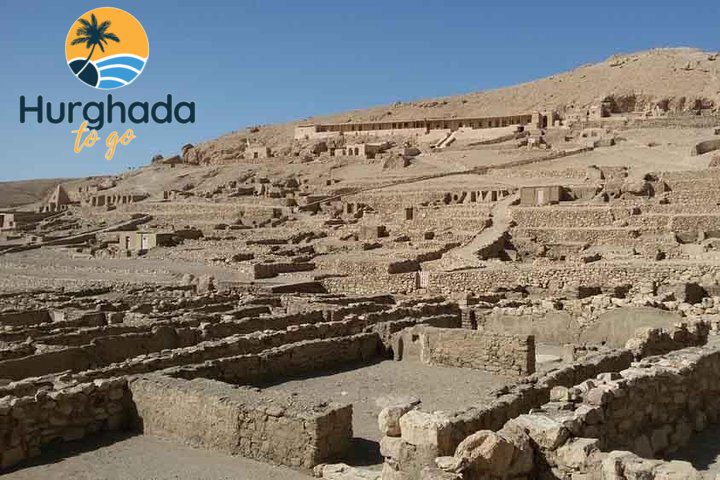
The Valley of the Nobles (Sheikh Abd el-Qurna) contains the tombs of high-ranking officials, viziers, and nobles — senior members of the Egyptian administration. The Valley of the Workers (Deir el-Medina) contains the tombs of the craftsmen and artisans who actually built the royal tombs in the Valley of the Kings. Both are extraordinary for their painted decorations. Deir el-Medina’s tombs are smaller but arguably the most artistically accomplished in all of Luxor — they can be added to this tour as an optional extra on request.
Can I combine this tour with the Valley of the Kings on the same day?
It is possible to add the Valley of the Kings as an early morning stop before Medinet Habu — but the combined day becomes very long (starting at 07:00 AM and finishing all sites by 16:00 PM) and somewhat rushed. We strongly recommend either focusing on this tour alone (Ramesseum, Habu, Nobles) for a deep, unhurried experience, or booking our 2-Day Private Luxor Tour which dedicates Day 1 to the East Bank and Valley of the Kings, and Day 2 to the West Bank including optional add-ons.
Book Your Tour to Ramesseum, Habu Temples & Valley of the Nobles
The finest painted tomb art in Egypt · The most complete military reliefs in the ancient world · The poetic ruins that inspired Ozymandias. Private Egyptologist, private vehicle, all entrance fees — from €175 per person. Free cancellation 24 hours before.
🏺 BOOK NOW — FROM €175 PER PERSON
Final Thoughts — The West Bank Luxor That Most Visitors Never See
A tour to the Ramesseum, Habu Temples, and the Valley of the Nobles is Luxor for people who want to go deeper. Not just pharaohs and tombs and spectacle — but the actual texture of life in the most sophisticated civilisation the ancient world produced. Standing in the Tomb of Nakht, surrounded by musicians and hunters and fishermen painted 3,500 years ago in colours that have not faded, is one of the genuinely transformative experiences that travel can offer.
The Ramesseum’s fallen colossus and the military grandeur of Medinet Habu add scale and drama. The Nobles’ tombs add intimacy and humanity. Together, the three sites create a portrait of ancient Egypt that the Valley of the Kings — for all its magnificence — simply cannot provide alone.
For UK travellers who are returning to Luxor, who have already seen the main sites, or who simply want to experience the West Bank without the queues and crowds — this is the tour. Book your private Ramesseum, Habu, and Nobles tour today and discover the Luxor that most visitors never find.