
Top 10 Attractions in Luxor
What are the top things to do in Luxor? The answer is extraordinary: a city of 500,000 people that sits directly on top of the greatest concentration of ancient monuments in the world. The ancient Egyptians called it Waset, then Thebes — the capital of the most powerful empire on Earth for 500 years. Today, Luxor is called by Egyptologists “the world’s greatest open-air museum,” and the phrase barely does it justice.
The top 10 attractions in Luxor Egypt span both banks of the Nile — the living city of Luxor on the East Bank, where temples were built to honour the gods, and the West Bank, where the dead were honoured in tombs and mortuary temples beneath the Theban hills. This guide covers every major site with practical visitor information, the best times to visit, and how to experience Luxor perfectly whether you have one day, three days, or a full Nile Cruise stay.
The Nile divides Luxor into two distinct visitor experiences. The East Bank (city side) contains the two great temple complexes — Karnak and Luxor Temple — along with the Luxor Museum, the Corniche, and the city’s restaurants and hotels. The West Bank is the “city of the dead” — a vast necropolis containing the Valley of the Kings, Hatshepsut Temple, the Valley of the Nobles, Medinet Habu, and the Ramesseum. A full Luxor experience requires time on both banks.
📑 Table of Contents
No. 1 — Valley of the Kings
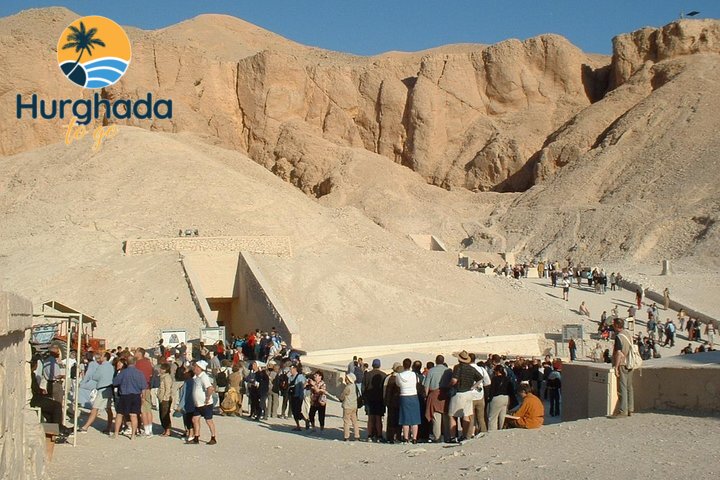
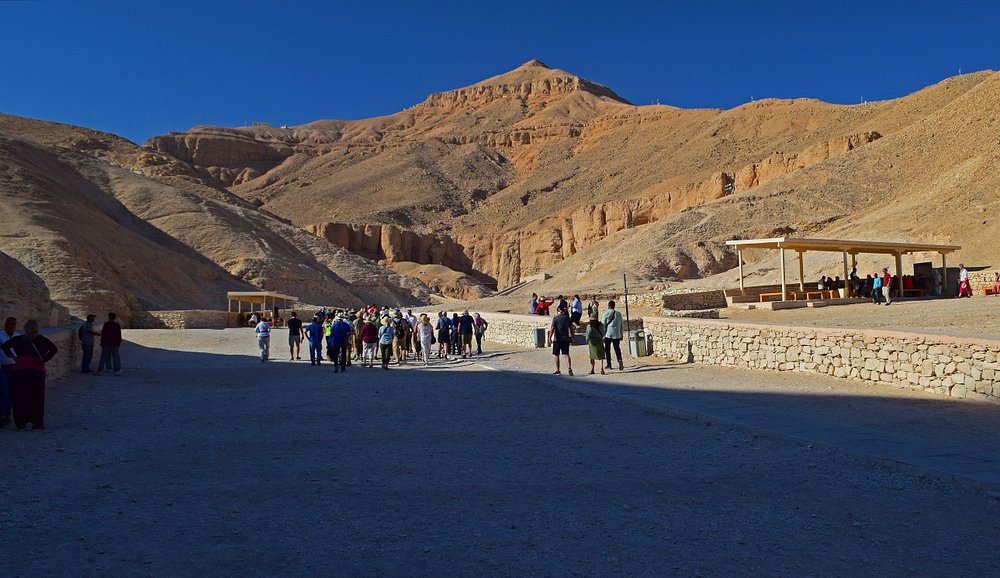
What is Luxor best known for? Above all else, the Valley of the Kings — a desolate limestone wadi in the Theban hills where Egypt’s most powerful rulers chose to build their eternal homes for five centuries. Sixty-three tombs have been identified and numbered (KV1–KV63), carved for the pharaohs of the 18th, 19th, and 20th Dynasties between approximately 1550 and 1070 BC. This is where Tutankhamun, Ramesses II, Ramesses III, Seti I, Thutmose III, and scores of other great rulers of the ancient world lie — some with their actual mummies still present in their original burial chambers.
Standard entry includes 3 tomb visits — your Egyptologist guide selects the best open on your visit day from the 20–25 typically accessible. Tutankhamun’s tomb (KV62) requires a separate ticket (~€16) and is the most significant single site in the Valley: the only royal tomb discovered with its treasures intact in 1922, the boy pharaoh’s mummy still resting in his gilded outer coffin exactly where Howard Carter found it.
No. 2 — Karnak Temple Complex
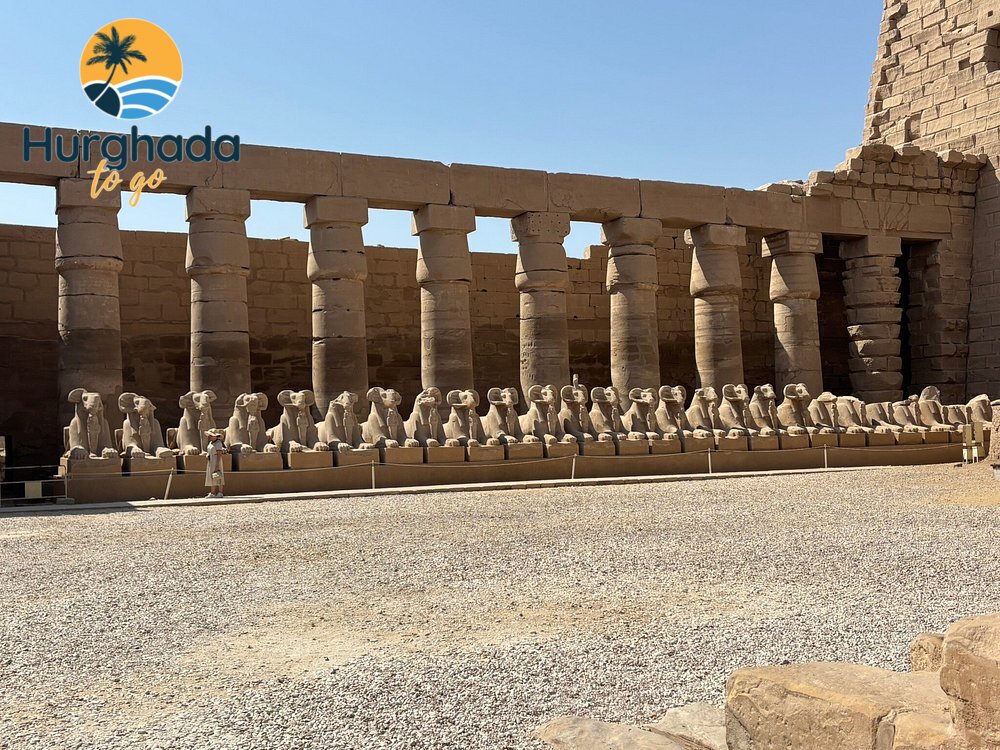
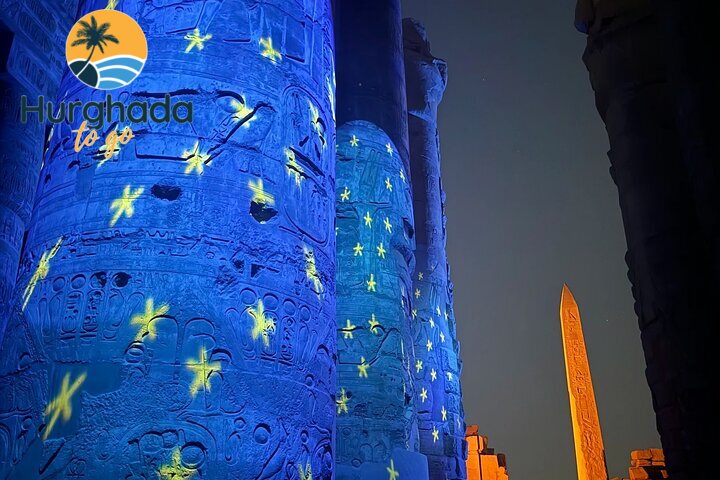
Karnak Temple is the most visited ancient monument in Egypt after the Pyramids of Giza — and the statistics alone are staggering: 247 acres, built by approximately 30 pharaohs over 1,500 years, with the Great Hypostyle Hall alone containing 134 papyrus columns standing 23 metres tall. This is the largest religious complex ever built by human beings, and standing inside the Hypostyle Hall — with the original polychrome paint still partially visible on columns that have stood for 3,200 years — produces an effect that no photograph can communicate.
Key areas within Karnak: the Precinct of Amun-Re (the main complex); the Great Hypostyle Hall; the Sacred Lake (where priests purified themselves daily); Hatshepsut’s obelisks (one standing, 30 metres of granite covered in electrum); the Festival Hall of Thutmose III; and the newly restored Avenue of Ram-headed Sphinxes. The evening Sound and Light Show at Karnak is one of Luxor’s most popular things to do at night.
No. 3 — Luxor Temple Illuminated at Night ✨
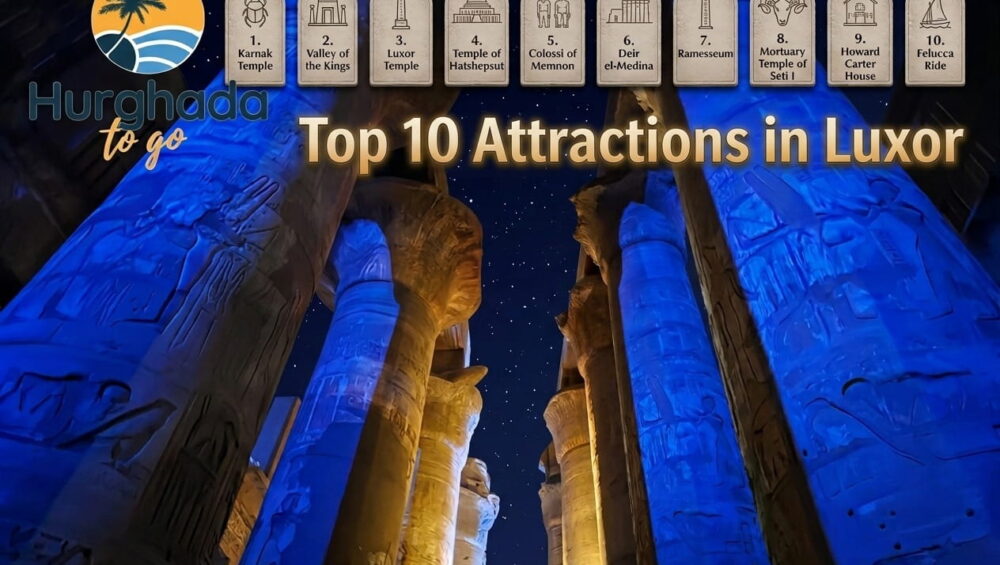
Luxor Temple at night is the most uniquely beautiful experience in all of Luxor — and one of the finest things to do in Egypt. The temple is open until 21:00 and is magnificently illuminated after dark: warm amber light on the first pylon’s 24-metre gateway, the avenue of sphinxes glowing gold, the colonnades of Amenhotep III silver-lit against the Luxor night sky, and the inner sanctuaries breathing with colour. During the day, Luxor Temple is extraordinary; after dark, it is genuinely transcendent.
Luxor Temple was built primarily by Amenhotep III (c. 1390–1352 BC) and completed by Ramesses II (c. 1279–1213 BC), who added the massive first pylon and the two colossal seated statues of himself that still flank the entrance. The temple was dedicated to Amun, Mut, and Khonsu — the Theban triad — and served as the site of the annual Opet Festival, when the statue of Amun was carried in procession from Karnak along the Avenue of Sphinxes to Luxor Temple and back.
No. 4 — Temple of Hatshepsut (Deir el-Bahari)
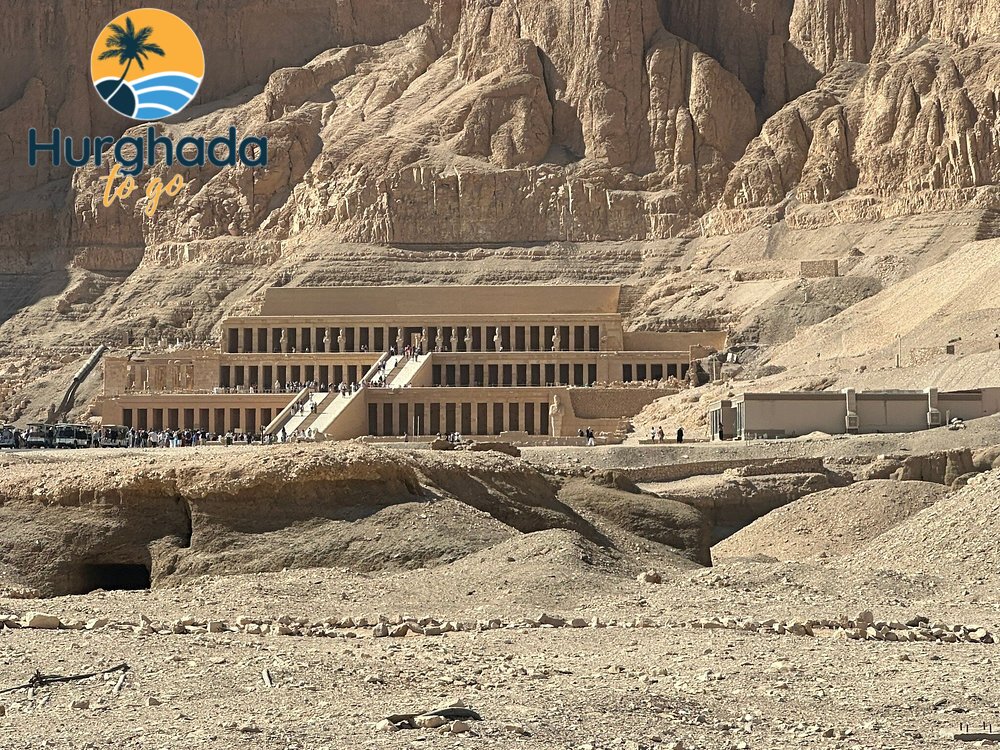
The Temple of Hatshepsut at Deir el-Bahari is among the most architecturally perfect buildings in the ancient world — and the most dramatically positioned. Three colonnaded terraces rise from the flat valley floor against the near-vertical Theban cliffs, the highest terrace disappearing into the cliff face itself. The proportional elegance of the design, set against the natural grandeur of the escarpment above it, creates a composition that is deeply beautiful from every angle.
Hatshepsut (reigned c. 1479–1458 BC) was Egypt’s most successful female ruler — she led military campaigns into Nubia and Punt, oversaw one of the greatest building programmes in Egyptian history, and was later methodically erased from the historical record by her successor Thutmose III. Her mortuary temple survived the erasure and preserves some of the finest New Kingdom painted reliefs in existence: scenes of the divine birth of Hatshepsut (depicting the god Amun as her father), the famous expedition to the land of Punt, and an extraordinary garden containing transplanted myrrh trees.
No. 5 — Hot Air Balloon at Sunrise 🌅
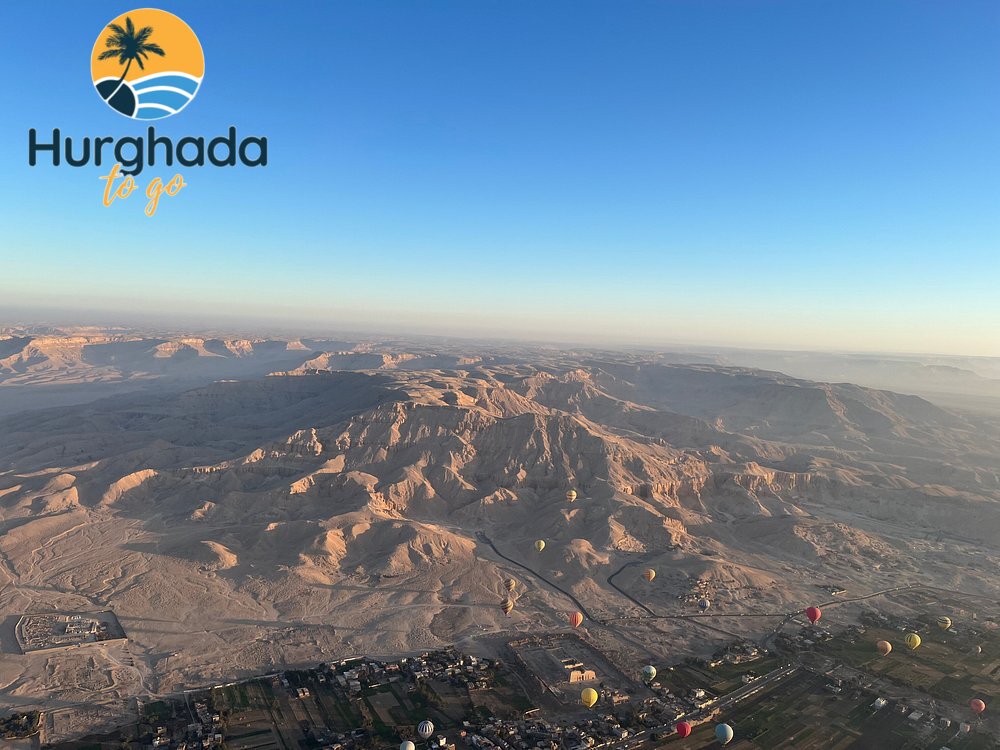
The hot air balloon over the West Bank of Luxor at sunrise is consistently rated by travellers as the single most memorable experience in all of Egypt — and the competition for that title is fierce. Rising silently above the Valley of the Kings as the first light touches the Theban hills, floating above Hatshepsut’s Temple, the Ramesseum, the sugar cane fields, and the silver Nile below, with the warm colours of the dawn sky above and the absolute silence of the desert around you — it is genuinely unlike anything else available to travellers anywhere in the world.
Balloons depart from the West Bank at approximately 05:30 AM and fly for approximately 45 minutes. The experience is weather-dependent — high winds cancel flights, and the balloon company monitors conditions from the previous evening. Must be pre-booked through Hurghada To Go when reserving your 2-day Luxor tour or Nile Cruise. Not available on the standard Luxor day trip (too early for the day-trip schedule).
No. 6 — Colossi of Memnon
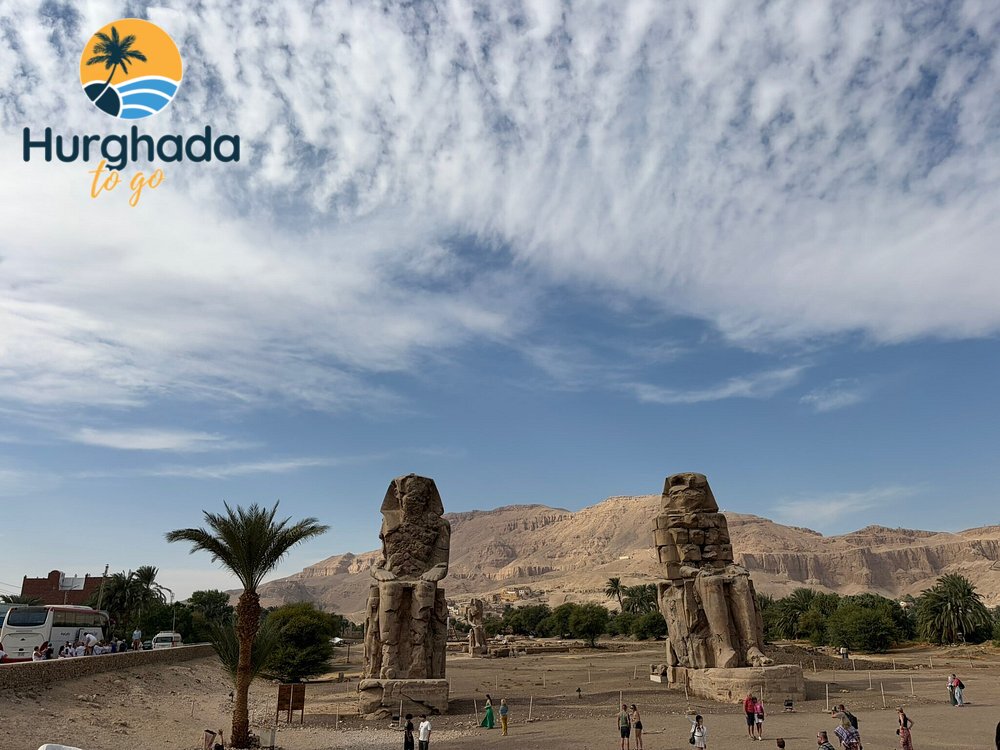
The Colossi of Memnon — two seated figures of Pharaoh Amenhotep III, each standing 18 metres tall, carved from single blocks of quartzite sandstone around 1350 BC — are the first West Bank attraction encountered on any Luxor tour. They are all that remains of what was once the largest mortuary temple in Egypt: a 35-hectare complex of which virtually nothing else survives above ground level. The colossi themselves are extraordinary in scale and have a strange, melancholic dignity — they have watched the Nile flood, watched armies pass, and watched centuries of visitors photograph them for 3,400 years.
In antiquity, the northern colossus was famous throughout the Mediterranean world for emitting a musical sound at dawn — a phenomenon reported by Greek and Roman visitors including the Emperor Hadrian, who camped nearby specifically to hear it. The sound (caused by thermal expansion cracking the stone in the morning heat) ceased after Roman repairs in the 2nd century AD. Ongoing excavations are steadily revealing more of the original mortuary temple complex around the colossi.
No. 7 — Luxor Museum
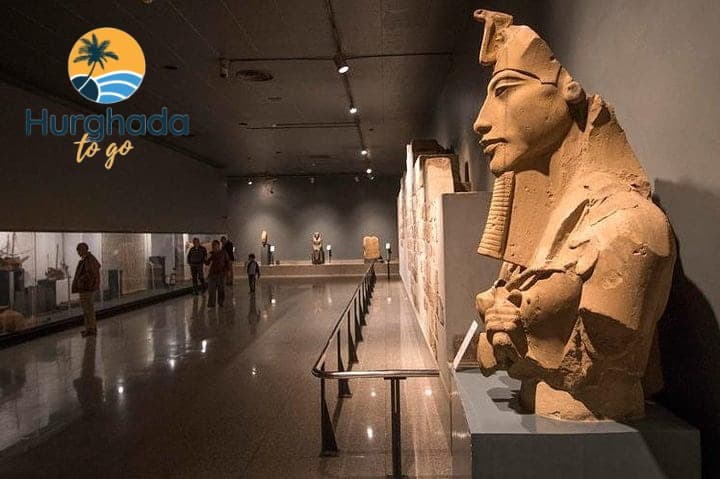
The Luxor Museum is one of Egypt’s finest museums — and one of the most overlooked attractions by visitors focused entirely on temples and tombs. Opened in 1975 and expanded in 2004, it houses a carefully curated collection of extraordinary objects found in the Luxor area, displayed with exceptional quality lighting and presentation that surpasses almost every other Egyptian museum.
Key exhibits: the extraordinary Cachette Hall housing statues of Amenhotep III and the cow goddess Hathor discovered buried under the floor of Luxor Temple in 1989; the mummies of Ramesses I (repatriated from the Michael C. Carlos Museum in Atlanta in 2003) and Ahmose I (founder of the New Kingdom); a complete wall of Akhenaten talatat blocks; and a stunning collection of New Kingdom bronzes, jewellery, and painted objects. The museum is air-conditioned — a genuine relief after morning temple visits.
No. 8 — Avenue of Sphinxes (Tarek Bin Ziad Road)
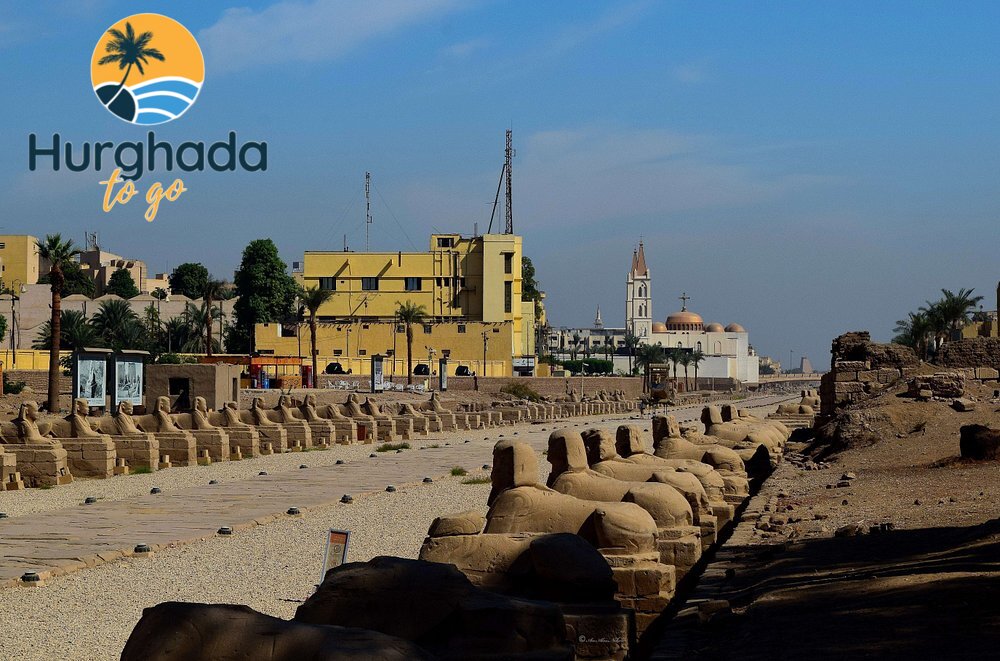
The Avenue of Sphinxes — officially the Tarek Bin Ziad Road — is one of the most extraordinary urban archaeological revelations in recent Egyptian history. The 2.7-kilometre processional avenue connecting Karnak Temple to Luxor Temple was lined with approximately 1,350 ram-headed and human-headed sphinxes during the reign of Nectanebo I (380–362 BC). The avenue was gradually buried under the modern city of Luxor over centuries, rediscovered during excavations, and completely restored and opened to the public in November 2021.
Walking the Avenue of Sphinxes today is a genuinely unique thing to do in Luxor — a 2.7-kilometre stroll between rows of sphinxes along a path that was walked by ancient Egyptians during the annual Opet Festival procession for over 1,000 years. The illumination at night is spectacular; the avenue is at its most atmospheric after 18:00 when the amber lights come on and the sphinxes cast long shadows.
No. 9 — Felucca at Sunset & Banana Island
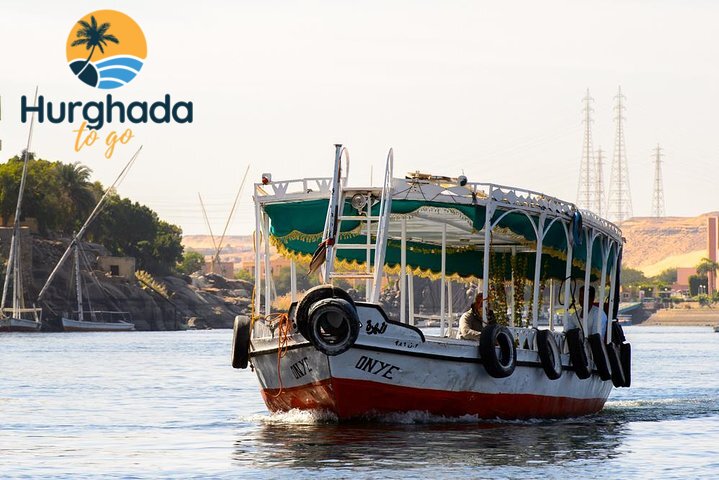
A felucca ride on the Nile at sunset in Luxor is one of Egypt’s most tranquil and beautiful experiences — and one of the finest answers to “things to do in Luxor other than temples.” The traditional Nile sailing boats — broad-beamed, lateen-rigged, perfectly adapted to the Nile’s conditions — have been sailing between Luxor’s two banks for centuries, and their unhurried pace, combined with the extraordinary sunset colours over the Theban hills, produces a quality of peace that no temple visit can replicate.
Banana Island — a small Nile island between the Luxor bridges, covered in banana and mango plantations — is the standard destination for felucca trips from the Luxor Corniche. Visitors disembark, walk through the fruit gardens, buy fresh bananas and mangoes directly from the farmer, and re-board the felucca for the return at sunset. A short, inexpensive, and genuinely lovely Luxor experience, particularly good for families with children or after a long day of temple visits.
No. 10 — Medinet Habu & Valley of the Nobles
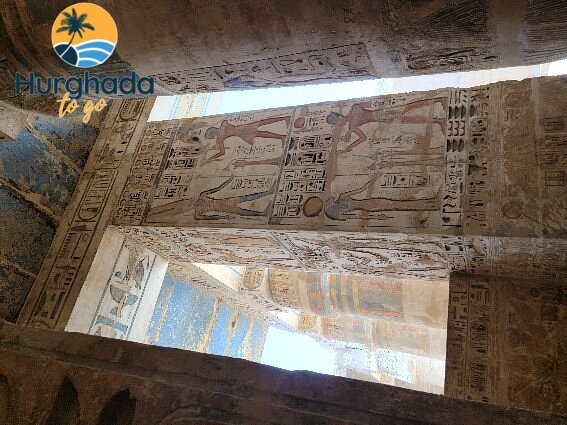
Medinet Habu — the mortuary temple of Ramesses III (c. 1184–1153 BC) — is the best-preserved and most completely decorated mortuary temple on the West Bank, and consistently rates as one of the most rewarding sites in all of Luxor for visitors who have already seen the main attractions. Unlike the Valley of the Kings and Karnak, Medinet Habu is rarely crowded — you can stand before 30-metre-high pylons covered in extraordinarily vivid battle reliefs with almost no other visitors in sight. The outer walls bear the famous naval battle scenes against the Sea Peoples — the most detailed ancient naval battle illustration ever discovered.
The Valley of the Nobles (Tombs of the Nobles) contains over 400 private tombs of New Kingdom officials, priests, and nobles — painted with scenes of daily life rather than the religious texts of the royal tombs. The paintings of agricultural life, feasting, hunting, and craftwork at sites like the Tombs of Nakht, Menna, and Rekhmire are among the finest surviving records of Egyptian daily life from 3,500 years ago, and are completely different in character from the Valley of the Kings.
How to Visit Luxor’s Top Attractions — 1, 2 & 3-Day Itineraries
⚡ How to spend a day in Luxor — 1-Day Itinerary from Hurghada
✨ What to do in Luxor in 3 days — the complete experience
| Day | Morning | Afternoon | Evening |
|---|---|---|---|
| Day 1 | 🌅 Hot air balloon 05:30 AM | Valley of the Kings + Tutankhamun · Hatshepsut Temple · Colossi | Luxor Temple at night ✨ |
| Day 2 | Karnak Temple (2.5 hrs) · Avenue of Sphinxes walk | Luxor Museum · Corniche walk · Felucca on the Nile at sunset | Karnak Sound & Light Show |
| Day 3 | Medinet Habu · Ramesseum · Valley of the Nobles | Banana Island felucca · West Bank village walk · Alabaster workshops | Luxor Temple (second visit) · Dinner on the Corniche |
Quick Reference — All Top 10 Attractions in Luxor at a Glance
| # | Attraction | Bank | Time Needed | Best Time | Day Trip? |
|---|---|---|---|---|---|
| 1 | Valley of the Kings | West | 2–3 hrs | 08:00–12:00 | ✓ |
| 2 | Karnak Temple | East | 2–3 hrs | 15:00–17:00 | ✓ |
| 3 | Luxor Temple at Night | East | 1–1.5 hrs | 19:00–21:00 | Overnight only |
| 4 | Hatshepsut Temple | West | 1.5 hrs | 08:30–11:00 | ✓ |
| 5 | Hot Air Balloon | West | 45 min flight | 05:30 AM | Overnight only |
| 6 | Colossi of Memnon | West | 15 min | Morning | ✓ |
| 7 | Luxor Museum | East | 1.5 hrs | Any time | 2+ days |
| 8 | Avenue of Sphinxes | East | 30–45 min | Evening lit | 2+ days |
| 9 | Felucca & Banana Island | Nile | 1–2 hrs | Sunset | 2+ days |
| 10 | Medinet Habu & Nobles | West | 2–3 hrs | Morning | 3-day visit |
10 Insider Tips for Visiting Luxor’s Top Attractions
Tip 2 — Luxor Temple at night is not negotiable. Of all the top 10 attractions in Luxor, Luxor Temple after dark is the one that most consistently produces an emotional response in first-time visitors. If you can only do one thing exclusively available to overnight guests, this is it. Book the 2-day Luxor tour or a Nile Cruise to ensure access.
Tip 3 — Buy Tutankhamun’s tomb ticket separately. The standard Valley of the Kings entry covers 3 tombs. Tutankhamun’s tomb (KV62) requires a separate ticket (~€16). It is always worth buying — the mummy of Tutankhamun is still inside his burial chamber and the experience of standing in the actual room where Howard Carter made his 1922 discovery is unlike anything else.
Tip 4 — Karnak in the afternoon is better than the morning. Most tours visit Karnak in the morning. The late afternoon light (15:00–17:00) in the Great Hypostyle Hall — when the setting sun enters from the west and illuminates the columns from the side — is the finest lighting condition available anywhere in ancient Egypt. Schedule Karnak for the afternoon whenever possible.
Tip 5 — The Luxor Museum is underrated. Many visitors skip the Luxor Museum in favour of more temple visits. This is a mistake. The cachette statues, the mummies of Ramesses I and Ahmose I, and the quality of the presentation are extraordinary. Allocate 1.5 hours and visit in the afternoon after temple visits, or in the evening (open until 21:00).
Tip 6 — Photography tips for the Valley of the Kings. Photography inside the tombs is permitted without flash since 2016. Bring a small torch — the narrow corridors are dimly lit and phone cameras struggle without additional light. Do not use flash under any circumstances; it damages the irreplaceable pigments.
Tip 7 — Wear comfortable shoes for all West Bank sites. The Valley of the Kings involves steep descents on stone staircases; Hatshepsut Temple requires climbing three terrace levels; Medinet Habu has extensive flat walking. Closed-toe, flat-soled, comfortable shoes are essential. Flip-flops are dangerous inside the Valley of the Kings tombs.
Tip 8 — Things to do in Luxor at night — go beyond Luxor Temple. After Luxor Temple, walk the Avenue of Sphinxes (lit at night), visit the Luxor Museum (open evenings), dine on the Corniche with Nile views, and attend the Karnak Sound and Light Show (evenings, approximately €15 pp, 45 minutes — English performance typically at 20:30).
Tip 9 — Bring EGP small notes. Bathroom attendants at all Luxor sites typically charge EGP 5–10. Bring EGP 200–300 in small notes for the day. As of May 2026: £1 ≈ 65 EGP. All entrance fees included in Hurghada To Go tours are pre-arranged — no cash required at ticket offices.
Tip 10 — Private guide vs shared group makes an enormous difference in Luxor. Luxor’s monuments reward depth and knowledge. A licensed Egyptologist who dedicates the entire day to your group — adapting the narrative to your interests, spending longer where you want, and answering every question — transforms the experience. Hurghada To Go private Luxor tours use dedicated Egyptologists for all visits.
Frequently Asked Questions — Luxor Top Attractions
Book Your Luxor Tour from Hurghada
Valley of the Kings · Tutankhamun’s Tomb Included · Karnak · Hatshepsut · Licensed Egyptologist Guide · All Entrance Fees · No Shopping Stops.
Day Trip from €65 pp · 2-Day Tour from €360 pp · Nile Cruise from €470 pp.
Hurghada to Luxor Day Trip ·
2-Day Private Luxor Tour ·
All Nile Cruise Packages ·
Full Day Cairo & Giza Tour
📱 Follow Hurghada To Go
Discover Luxor’s top attractions through our traveller photos, expert guides, and exclusive tour offers.