
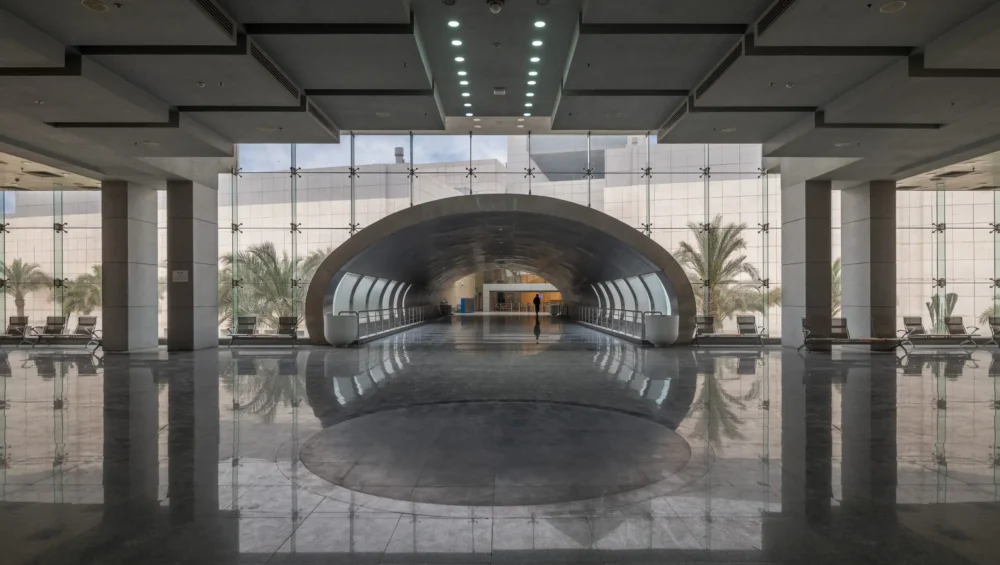

✎ Author: HurghadaToGo Editorial
📅 Updated: 2026
🇺🇪 Location: Fustat, Cairo
The National Museum of Egyptian Civilization, widely known by its acronym NMEC, is not simply a museum — it is a cinematic voyage across seven thousand years of human brilliance. Nestled in the ancient district of Fustat in Old Cairo, overlooking the tranquil waters of Ain El-Sira Lake, the National Museum of Egyptian Civilization invites visitors to walk in the footsteps of pharaohs, artisans, scholars, saints, and sultans whose stories shaped the soul of a nation.
Unlike museums dedicated exclusively to pharaonic antiquities, the National Museum of Egyptian Civilization weaves a complete tapestry — from the flint tools of prehistoric hunters to the satellite images of modern Egypt. With more than 50,000 artifacts, cutting-edge multimedia storytelling, and the legendary Royal Mummies Hall at its heart, NMEC has become one of the most celebrated cultural destinations in the Arab world since its grand opening on April 3, 2021.
“The National Museum of Egyptian Civilization is a bridge between past, present, and future — where the voices of pharaohs and everyday Egyptians echo together through the ages.”
Historical Background and Development
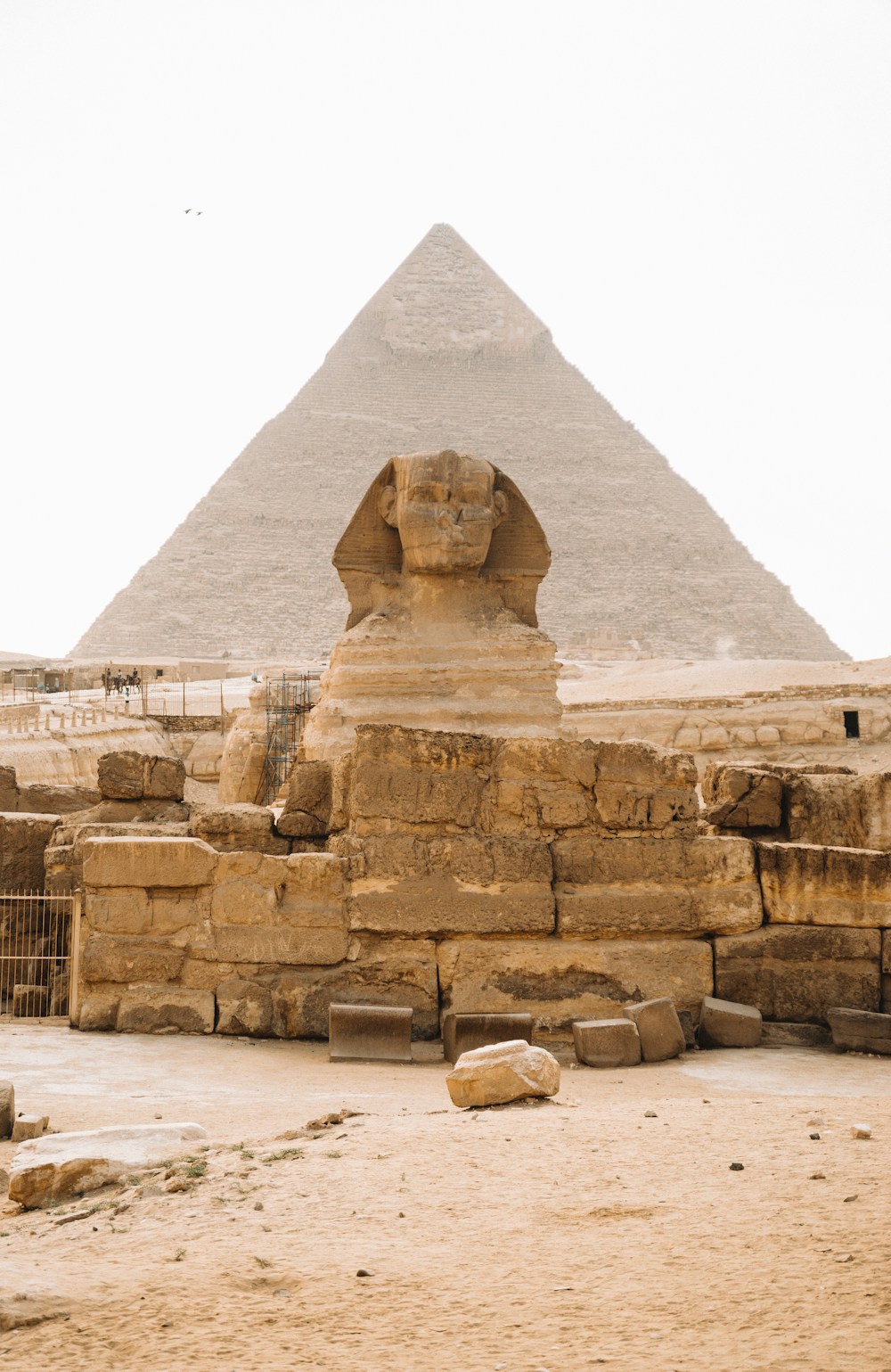
The Pharaohs’ Golden Parade of April 3, 2021, captivated a global audience of millions.
The seed for the National Museum of Egyptian Civilization was planted in 1982, when UNESCO, responding to a formal request from the Egyptian government, launched an ambitious international campaign to establish two landmark institutions: the Nubia Museum in Aswan, inaugurated in 1997, and a new national civilization museum in Cairo. This dual initiative reflected a broader vision — to preserve the full continuum of Egyptian identity, not merely its pharaonic chapter, but its entire civilizational story.
An international architectural competition was launched, and the winning concept came from Egyptian architect El-Ghazali Koseiba, whose design blended modernist clarity with reverence for the land of the pharaohs. In 1999, the Fustat district was chosen as the final location — a poetic decision, since Fustat was the very first Islamic capital of Egypt, founded by Amr ibn al-As in 641 CE. By placing the National Museum of Egyptian Civilization on ground layered with pharaonic, Coptic, and Islamic remains, planners ensured the building itself would become a living artifact.
The foundation stone was laid in 2002, followed by years of meticulous archaeological excavation. A preview hall opened in 2017, showcasing Egyptian crafts such as pottery, woodwork, and textiles. The full, spectacular inauguration arrived on April 3, 2021, accompanied by the globally televised Pharaohs’ Golden Parade, during which 22 royal mummies — 18 kings and 4 queens — were transported in ornate, gold-adorned vehicles from the Egyptian Museum in Tahrir Square to their final resting place inside the NMEC. For a single breathtaking evening, the streets of Cairo transformed into a pharaonic procession worthy of the New Kingdom.
⏰ A Journey Through Time: NMEC Timeline
UNESCO and Egypt launch the vision for two national museums.
Fustat, Old Cairo, selected as the museum site.
Foundation stone laid; archaeological digs begin.
Temporary exhibition of Egyptian crafts opens to the public.
Official grand opening & the Pharaohs’ Golden Parade.
Continued expansion, digital exhibits, and global partnerships.
Architecture and Design: Where Past Meets Future

The museum’s sweeping architecture harmonizes with Fustat’s ancient landscape.
The National Museum of Egyptian Civilization occupies a monumental site of approximately 33.5 acres, with around 135,000 square meters of built area. Its sweeping layout was conceived by Egyptian architect El-Ghazali Koseiba, while the internationally acclaimed Japanese architect Arata Isozaki — a Pritzker Prize laureate — contributed to the exhibition spaces, infusing them with his celebrated principles of spatial flow, clarity, and cross-cultural resonance.
The result is a building that feels at once modern and eternal. Expansive halls with soaring ceilings, sophisticated climate control, adaptive lighting designed to protect fragile artifacts, and intuitive circulation paths welcome visitors into a space that breathes history. The main gallery occupies the upper levels, while the Royal Mummies Hall lies dramatically below ground — a deliberate architectural metaphor for a descent into the Valley of the Kings.
Accessibility was a priority: wheelchairs, elevators, tactile paths, and Braille materials ensure the National Museum of Egyptian Civilization welcomes every visitor. Sustainable features, modern conservation laboratories, and a revitalized surrounding district complete with restaurants, an open-air theater, green spaces, fountains, and a lake purification system make NMEC a truly 21st-century cultural destination.
Location, Opening Hours & Ticket Information
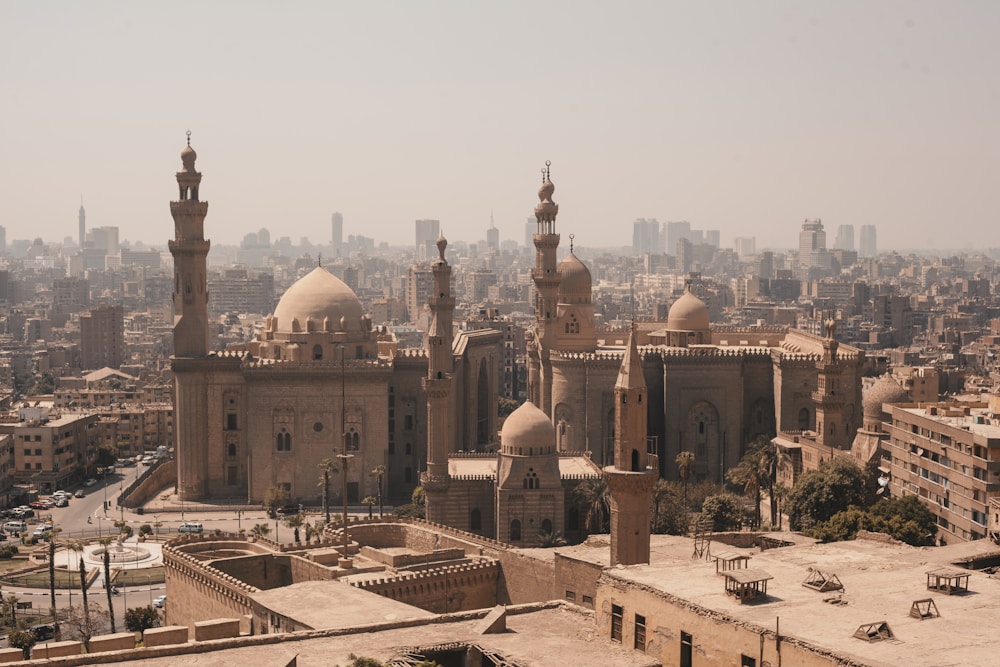
Old Cairo surrounds the museum with centuries of Coptic, Islamic, and Roman heritage.
The National Museum of Egyptian Civilization stands at El-Fustat Road, Ein Elsira, Cairo — just a short walk from the Mar Gerges Metro station and within easy reach of Coptic Cairo, the Hanging Church, the Mosque of Amr ibn al-As, and the Coptic Museum. This proximity makes it effortless to combine NMEC with a full day of immersive historical exploration in Old Cairo.
Opening Hours
The museum typically operates daily from 9:00 AM to 5:00 PM, with last entry at approximately 4:00 PM. Seasonal variations may apply, and extended evening hours are occasionally offered during Ramadan or special events.
Ticket Prices (Approximate)
Prices are approximate and may change. Additional fees apply for photography and video. Always confirm via official channels.
Collections & Permanent Exhibitions

Ancient statues whispering stories from a civilization that refused to fade.
The collections inside the National Museum of Egyptian Civilization were curated from the finest holdings of the Egyptian Museum in Tahrir, the Coptic Museum, the Museum of Islamic Art, and regional repositories across Egypt. The exhibition strategy is dual — chronological, tracing Egypt from prehistory to the modern era, and thematic, exploring universal human questions through Egyptian eyes.
The Main Gallery: An Integrated Overview
The Main Gallery is the narrative spine of the National Museum of Egyptian Civilization, guiding visitors through the grand arc of Egyptian history:
- Prehistoric & Archaic Periods: Early tools, Badari and Naqada pottery, rock art, and the astonishing Nazlet Khater Skeleton — one of the oldest human remains ever found in North Africa, dating back roughly 35,000 years.
- Pharaonic Era: Royal statues, intricate jewelry, funerary objects, the magnificent coffin of Sennedjem, purification tents, ceremonial boats, and finely detailed models of daily Egyptian life.
- Greco-Roman Period: Sculptures, mosaics, and artifacts capturing the rich cultural syncretism that flourished under Ptolemaic and Roman rule.
- Coptic Era: Early Christian art, illuminated manuscripts, and sacred textiles that reveal Egypt’s central role in the formation of Christianity.
- Medieval, Islamic & Ottoman Periods: Exquisite minbars (including the Aboubakr Ibn Mizhar minbar), metalwork, ceramics, and decorative arts from Fatimid, Ayyubid, Mamluk, and Ottoman dynasties.
- Modern Egypt: Artifacts from the Muhammad Ali dynasty, rare photographs, independence-era manuscripts, and objects celebrating the achievements of contemporary Egypt.
Thematic Galleries
Beyond the chronological voyage, thematic halls inside the National Museum of Egyptian Civilization invite deeper reflection. Six powerful themes — Dawn of Civilization, The Nile, Writing, State & Society, Material Culture, and Beliefs & Thinking — allow visitors to trace how ideas, technologies, and philosophies evolved over thousands of years.
Signature Highlights
🏙️ Nilos Statue
The majestic personification of the Nile — source of every civilization that rose along its banks.
🌾 Al Falaha Statue
A tribute to the Egyptian peasant — the eternal cultivator of the Nile Valley’s fertile soil.
🫂 Textile Gallery
Around 600 artifacts spanning linen, Coptic tapestries, and the last surviving Fatimid dye house in Cairo.
The Egyptian Textile Gallery
This specialized hall alone is worth the visit. With roughly 600 artifacts, the Textile Gallery inside the National Museum of Egyptian Civilization traces Egypt’s legendary fabric traditions — from the delicate linens of the pharaohs to Coptic tapestries, Islamic brocades, and modern garments associated with historical figures. Its most extraordinary feature is an intact Fatimid-era dye house, the only surviving example of Cairo’s once-thriving historic dye industry.
The Royal Mummies Hall: The Crown Jewel

A sacred, dimly-lit chamber that honors the rulers of ancient Egypt.
If the National Museum of Egyptian Civilization has a beating heart, it is the Royal Mummies Hall. Designed as a reverent descent into the Valley of the Kings, the hall is intentionally dim, quiet, and free of photography. Visitors move in hushed tones past the eternal rulers of Egypt — 20 royal mummies, including 18 kings and 2 queens, from the 17th to 20th Dynasties.
Each mummy was transferred during the unforgettable 2021 Pharaohs’ Golden Parade, a procession of cinematic proportions that honored these ancient monarchs with military salutes, symphonic music, and gold-adorned chariots. Among the mummies on display:
- Seqenenre Taa II — the warrior-king who began the war against the Hyksos.
- Hatshepsut — the legendary female pharaoh who crowned herself king.
- Thutmose III — the “Napoleon of Egypt,” whose empire reached unprecedented heights.
- Amenhotep III and Queen Tiye — the golden couple of Egypt’s artistic apex.
- Seti I and Ramesses II — master builders whose temples still awe the modern world.
- Ramesses III — the last great warrior-king, defender against the Sea Peoples.
Advanced CT scanning and DNA analysis performed at the National Museum of Egyptian Civilization continue to reveal astonishing secrets — from ancient assassinations to genetic relationships, from mummification techniques to the chronic illnesses that plagued kings. Without disturbing a single linen wrap, science now speaks to us from across three thousand years.
“To stand before Ramesses II inside the National Museum of Egyptian Civilization is to feel the pulse of 3,000 years pressed gently against your own.”
Temporary Exhibitions, Education & Conservation

Conservation labs ensure every artifact is preserved for future generations.
Beyond its permanent collections, the National Museum of Egyptian Civilization is a vibrant hub of rotating exhibitions, international loans, workshops, and public events. Its dedicated conservation center features state-of-the-art laboratories where restorers, chemists, and historians collaborate to stabilize fragile artifacts and study the materials of antiquity.
The museum regularly hosts school programs, artist residencies, academic conferences, and global events — most famously, the draw ceremony for the 2021 IHF World Men’s Handball Championship. Temporary galleries spotlight Egyptian contemporary art, crafts, and cultural exchange with partners from Japan, France, Italy, and beyond.
Cultural & Global Significance
Egypt’s enduring influence on art, governance, and spirituality is honored here.
The National Museum of Egyptian Civilization corrects a long-standing misconception — that Egypt is a civilization of the past. In truth, Egypt is the longest-running, continuously evolving culture in recorded history. Agriculture, writing, monumental architecture, centralized governance, medicine, and metaphysics all flowered here and spread outward across the ancient world.
By curating artifacts from pharaonic temples, Coptic monasteries, Islamic madrasas, and modern studios in a single, coherent narrative, NMEC transforms cultural identity into an act of living continuity. UNESCO’s partnership reinforces the global significance of this mission, positioning the National Museum of Egyptian Civilization as a model for heritage institutions across the Middle East, Africa, and Asia.
In an era of rapid change, the museum’s message is timeless: civilizations endure through adaptation. Egypt absorbed Hyksos, Greeks, Romans, Arabs, and Ottomans — yet always transformed each wave into a new layer of identity rather than a rupture of memory.
Visitor Experiences & Pro Tips

Plan 2 to 4 hours to fully absorb the experience.
Seasoned travelers often describe the National Museum of Egyptian Civilization as more digestible and emotionally engaging than larger counterparts. Here are our best tips to elevate your visit:
- Allocate 2–4 hours to explore without rushing.
- Begin in the Main Gallery, descend to the Royal Mummies Hall, and finish with the Textile Gallery.
- Arrive early morning or after 2:00 PM to avoid crowds.
- Use the official audio guide or mobile app for deeper context.
- Combine your visit with Coptic Cairo, the Hanging Church, and Al Muizz Street.
- Wear comfortable shoes — the galleries span nearly two kilometers of walking.
🏕 Book Your Egypt Tour with HurghadaToGo
Step into living history with expert guides, luxury transfers, and unforgettable itineraries covering Cairo, Luxor, Aswan & the Red Sea.
Frequently Asked Questions

Everything you need to know before your visit.
1. Where is the National Museum of Egyptian Civilization located?
NMEC is located at El-Fustat Road, Ein Elsira, in Old Cairo — walking distance from the Mar Gerges Metro station and the Coptic Cairo district.
2. How much does entry to the National Museum of Egyptian Civilization cost?
Foreign adults pay approximately 550 EGP, foreign students 300 EGP, Egyptian adults 90 EGP, and Egyptian students 45 EGP. Children under 6, seniors, and special-needs visitors enter free.
3. Is photography allowed inside the museum?
General photography is allowed in most galleries (sometimes for a small fee), but it is strictly forbidden in the Royal Mummies Hall to preserve the dignity of the pharaohs and protect the artifacts.
4. How long should I plan for a visit?
Plan between 2 and 4 hours to fully enjoy the National Museum of Egyptian Civilization, including the Main Gallery, Royal Mummies Hall, and Textile Gallery.
5. What is the difference between NMEC and the Grand Egyptian Museum?
The Grand Egyptian Museum (GEM) near the Giza Pyramids focuses on the pharaonic era. The National Museum of Egyptian Civilization showcases the entire span of Egyptian civilization — prehistoric, pharaonic, Greco-Roman, Coptic, Islamic, and modern.
6. Can I visit NMEC as a day trip from Hurghada?
Yes. HurghadaToGo offers day trips to Cairo by flight or minivan that can include the National Museum of Egyptian Civilization, the Pyramids of Giza, and Old Cairo in a single, well-planned itinerary.
Conclusion: Walk the Living Story of Egypt
The National Museum of Egyptian Civilization is more than stone, glass, and light — it is a heartbeat. It is the voice of Hatshepsut echoing across millennia, the quiet breath of Ramesses II, the hammer of a Fatimid artisan, the brushstroke of a modern painter, all woven into one unbroken thread. Whether you come as a scholar, a pilgrim of beauty, or a curious traveler, you will leave transformed.
At HurghadaToGo, we believe that Egypt is not a destination — it is an awakening. Let us design your perfect journey through the National Museum of Egyptian Civilization, the Pyramids of Giza, the temples of Luxor, and the crystal waters of the Red Sea. The voices of the pharaohs are waiting. Will you answer?
📧 Stay Connected with HurghadaToGo
Get insider tips on Egyptian tours, exclusive offers, and historical deep-dives delivered to your inbox.
Share This Article
Help others discover the wonders of the National Museum of Egyptian Civilization.
Facebook
Instagram
TikTok
LinkedIn
Medium
Pinterest
Google Maps
WhatsApp
Related Articles
The Code of Egyptian Civilization
Unlock the secrets behind Egypt’s timeless legacy and pharaonic genius.
Cairo Day Trip from Hurghada
Discover Cairo’s wonders in a single unforgettable day from the Red Sea coast.
Luxor Full Day Tour
Walk the Valley of the Kings and the temples of Karnak in one epic journey.