
Valley of the Kings: A Timeless Journey into Ancient Egypt
(A Complete Guide for Travelers from Hurghada)
1. Introduction – Why the Valley of the Kings Captivates the World
When people dream of Egypt, they often imagine golden masks, mysterious hieroglyphs, and monumental temples rising against the desert sky. One of the most iconic and legendary places where all these dreams come alive is the Valley of the Kings Luxor Egypt. Nestled on the west bank of the Nile, this sacred burial site was the eternal resting ground for Egypt’s most powerful pharaohs during the New Kingdom period (1550–1070 BCE).
For travelers enjoying the turquoise waters and sandy beaches of the Red Sea, combining leisure with history is possible through a Valley of the Kings tour from Hurghada. In just a day, visitors can journey from the vibrant resorts of Hurghada to the timeless sands of Luxor, standing face to face with tombs carved thousands of years ago.
This article is a complete travel guide, blending storytelling, historical detail, and practical travel tips. It is designed for anyone curious about a Luxor Valley of the Kings day trip or simply fascinated by Ancient Egypt’s mysteries.

2. The Valley of the Kings Story – Where Pharaohs Sought Eternal Life
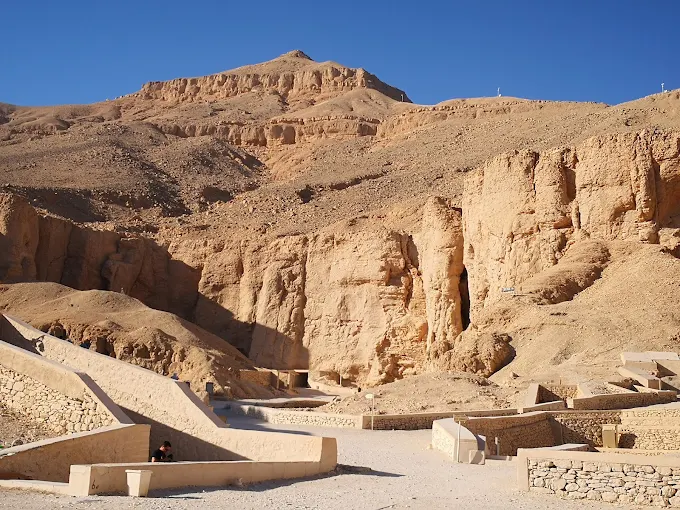
Unlike the pyramids of Giza, which stood tall and proud against the skyline, the Valley of the Kings was chosen for secrecy. The pharaohs of the New Kingdom knew that tomb robbers had plundered most pyramid complexes. To protect their treasures and sacred mummies, they decided to carve hidden tombs into the desert cliffs of Luxor.
The valley lies beneath the towering peak of al-Qurn, a mountain shaped like a natural pyramid. To the ancient Egyptians, this was no coincidence—its pyramid form symbolized rebirth and eternal life.
Between the 16th and 11th centuries BCE, over 60 tombs were cut into the valley. These were not simple graves; they were elaborate passageways painted with sacred texts like the Book of the Dead and the Book of Gates, guiding the soul through the underworld.
To walk through the Valley today is to follow the same journey the pharaohs believed they would take—descending into darkness, encountering gods and spirits, and finally rising to eternal sunrise.
3. Famous Pharaohs and Tombs to Discover
The Valley of the Kings Luxor Egypt is home to some of the most legendary names in history. Among the most significant tombs are:
-
Tutankhamun (KV62): The boy king who ruled briefly but became the most famous due to the discovery of his intact tomb in 1922.
-
Ramses II (KV7): Known as Ramses the Great, one of Egypt’s most celebrated rulers. His tomb is vast, though damaged by floods.
-
Seti I (KV17): A masterpiece of art and architecture, with brilliantly preserved wall paintings.
-
Ramses VI (KV9): Renowned for its astronomical ceiling, considered one of the valley’s highlights.
-
Thutmose III (KV34): Buried in one of the most unique and hidden tombs high in the cliffs.
Each tomb tells its own story—some decorated with cosmic maps, others with vivid colors that look as if painted yesterday.
4. The Great Discovery of Tutankhamun
No story of the Valley of the Kings is complete without Howard Carter’s 1922 discovery of Tutankhamun’s tomb. After years of searching, Carter uncovered steps leading to a sealed doorway. When he peered through a small hole, Lord Carnarvon asked: “Can you see anything?” Carter replied with words that shook the world:
“Yes, wonderful things.”
The treasures inside—including the famous golden mask—reignited global fascination with Egypt. Today, most of these treasures are displayed in the Egyptian Museum and the Grand Egyptian Museum in Cairo, but Tutankhamun’s actual tomb remains open to visitors in Luxor.
5. Valley of the Kings Tour from Hurghada – What to Expect
A Valley of the Kings tour from Hurghada is one of the most popular cultural excursions for Red Sea travelers. The journey takes about 4–5 hours by road, crossing the desert landscapes before reaching Luxor.
Typical Itinerary:
-
Early Morning Pickup: Guests are collected from their hotel in Hurghada.
-
Drive to Luxor: Scenic ride through the desert, often with a stop for refreshments.
-
Visit Karnak Temple: The largest religious complex ever built, dedicated to Amun-Ra.
-
Explore the Valley of the Kings: Entrance includes 3 tombs; visitors may add Tutankhamun, Seti I, or Ramses VI with extra tickets.
-
Temple of Hatshepsut: A stunning mortuary temple carved into cliffs.
-
Colossi of Memnon: Two gigantic seated statues guarding the Theban necropolis.
-
Lunch in Luxor: Typically an open buffet with local Egyptian dishes.
-
Return to Hurghada: Arrive in the evening, filled with memories.
This Luxor Valley of the Kings day trip offers a perfect mix of history, culture, and breathtaking scenery.

6. Highlights of the Valley of the Kings Visit
When visiting the Hurghada bowling center you find fun… (Wait—Oops! Correcting myself 👇).
Here are the true highlights of the Valley experience:
-
The Tombs’ Artwork: Thousands of years old yet still glowing with color.
-
Tutankhamun’s Legacy: A smaller tomb but historically priceless.
-
Seti I’s Tomb: Extra ticket but absolutely worth it for art lovers.
-
Astronomical Ceilings: Stunning depictions of stars and gods in Ramses VI’s tomb.
-
The Desert Silence: A mystical atmosphere where you feel time itself has stopped.
7. Travel Tips for Visiting the Valley of the Kings
-
Best Time: Early morning or late afternoon, especially October to April when it’s cooler.
-
Tickets: Standard ticket includes 3 tombs. Special tombs require additional fees.
-
Dress Comfortably: Light clothing, hats, sunglasses, and good walking shoes.
-
Photography: No flash inside; some tombs may require a photo pass.
-
Hydration: Bring water—it gets hot quickly in the valley.
8. Storytelling: The Afterlife Journey of a Pharaoh
Imagine being a pharaoh in ancient Egypt. Your architects design a tomb hidden in the cliffs, your priests inscribe sacred spells on the walls, and your treasures are placed carefully around your sarcophagus.
Your journey begins at sunset, crossing the river into the land of the dead. Guided by Ra, the sun god, and protected by Anubis, you pass through gates guarded by serpents, demons, and gods of judgment. Only if your heart is lighter than a feather in the presence of Osiris can you be reborn into the eternal sunrise.
Walking through the Valley of the Kings Luxor Egypt, modern travelers retrace this same journey. The silence of the tombs whispers stories of eternity.
9. FAQs About the Valley of the Kings from Hurghada
Q: How far is Hurghada from the Valley of the Kings?
A: The drive is around 4–5 hours, covering about 300 km.
Q: Can children join a Valley of the Kings tour from Hurghada?
A: Yes, the trip is family-friendly, though younger children may get tired.
Q: How many tombs can I enter?
A: Standard ticket covers 3 tombs. Special tombs require extra tickets.
Q: Is it safe to visit Luxor from Hurghada?
A: Yes, it is safe and heavily monitored for tourism.
Q: What should I bring?
A: Water, sun protection, comfortable shoes, and small cash for tips and souvenirs.

10. Things to Do in Luxor Beyond the Valley of the Kings
Luxor is not just the valley—it is an open-air museum. Other must-sees include:
-
Karnak Temple Complex – An awe-inspiring forest of columns and sacred lakes.
-
Luxor Temple – Best visited at night when it glows with golden lights.
-
Temple of Hatshepsut – A rare monument for a female pharaoh.
-
Colossi of Memnon – Guarding statues steeped in legends.
-
Luxor Museum – Smaller than Cairo’s but with exquisite artifacts.
11. Why the Valley of the Kings is a Must-Do Day Trip from Hurghada
A beach holiday in Hurghada is wonderful—but to experience Ancient Egypt’s heartbeat, nothing compares to walking inside the tombs of the pharaohs.
A Luxor Valley of the Kings day trip combines the relaxation of the Red Sea with the depth of history. It’s a chance to move from snorkeling with dolphins in Hurghada one day to standing before the golden treasures of Tutankhamun the next.

12. Conclusion – Walking with Pharaohs
The Valley of the Kings Luxor Egypt is more than a tourist site—it is a timeless journey into the afterlife. Every tomb whispers the ambitions of rulers who wanted to live forever.
A Valley of the Kings tour from Hurghada is your chance to step into this eternal story. You’ll walk the same corridors that Tutankhamun, Ramses, and Seti once prepared for eternity. You’ll feel the silence of the desert and the weight of history pressing against the painted walls.
For anyone visiting Egypt, this is not just a day trip—it’s a pilgrimage into humanity’s greatest civilization.
13. Ancient Egyptian beliefs about the afterlife
-
Ancient Egyptian Religion & Afterlife Beliefs
-
Role of Osiris (god of the dead), Anubis (guardian of mummification), Ra (sun god), Hathor, and Ma’at.
-
Concept of Ka (life force) and Ba (soul) and why tombs had magical spells.
-
“Weighing of the Heart” ceremony explained for readers.
-
-
Symbolism of Gods in the Valley
-
How wall paintings show the journey with Ra through the underworld.
-
The role of serpents, stars, and the solar barque in tomb art.
-
Why tomb ceilings are painted like the night sky.
-
-
More Detailed Tomb Descriptions
-
KV62 (Tutankhamun): small but legendary.
-
KV17 (Seti I): most beautifully painted, deep corridors.
-
KV9 (Ramses VI): cosmic ceiling, highly visited.
-
KV34 (Thutmose III): unusual design with oval burial chamber.
-
KV5 (sons of Ramses II): largest tomb in the valley with over 120 chambers.
-
-
Extended Travel Tips
-
Compare tour options:
-
Bus tour (budget-friendly, group experience).
-
Small group minivan tour (more comfort, fewer people).
-
Private car (flexibility, luxury).
-
Flight (Hurghada to Luxor by air, fastest option).
-
-
Packing list for day trips.
-
How to combine Luxor with a Nile cruise.
-
Tips for photography and souvenirs.
-
-
Expanded FAQ Section
-
Can I visit the Valley of the Kings on my own?
-
Which tombs are best for first-time visitors?
-
Are there toilets, cafes, or facilities nearby?
-
Can people with mobility issues visit?
-
What are the opening hours?
-
-
Mini Storytelling Profiles of Pharaohs
-
Ramses II – “The Great Builder,” his legacy across Egypt.
-
Hatshepsut – The female pharaoh who changed history.
-
Seti I – Father of Ramses II, known for art and tomb decoration.
-
Tutankhamun – His mysterious short reign and afterlife fame.
-
Easy & Secure Booking
Reserve your unforgettable Hot Air Balloon Ride over Valley of the Kings in Luxor 2026 now through:
🌐 Official Website: hurghadatogo.com
📧 Email: [email protected]
📱 WhatsApp: +201009255585