
Hurghada Famous Places:
What Most Guides Don’t Tell You
Welcome to the ultimate insider’s guide to Hurghada. If you’re searching for “Hurghada famous places” or the “best things to do in Hurghada,” you’ve likely stumbled across the same recycled lists: snorkeling on Giftun Island, a quick desert quad bike ride, or sunset at the Marina. Those are all fantastic but they’re only the surface.
What most travel guides don’t tell you is the real magic that turns a standard Red Sea vacation into a life changing experience. The hidden rhythms of daily life here, the unspoken local rules that save you money and hassle, the lesser-known spots where crowds vanish, and the deeper cultural connections that make you feel like an honorary local rather than just another tourist.
I’ve spent years diving deep (literally and figuratively) into Hurghada’s soul talking to long-term expats, Bedouin guides, dive masters, and market vendors who rarely speak to bloggers. word guide reveals what they’ve shared: the untold stories, practical secrets, and authentic experiences that elevate your trip from “nice” to unforgettable.
Whether you’re a first-timer dreaming of turquoise waters or a repeat visitor craving something new, let’s uncover the Hurghada most guides gloss over.
What Most Guides Don’t Tell You — Life in Hurghada & Must-Do Attractions
Hurghada is one of Egypt’s most iconic Red Sea destinations — known for its crystal-clear waters, lively nightlife, and world-class diving. Yet, beyond the Instagram posts and tourist brochures lies a deeper, richer story: the real life of Hurghada, the hidden rhythms, and the secret experiences that most guides don’t talk about.
This is more than a list of places — it’s a journey through local culture, surprising experiences, seasonal rhythms, off-beat attractions, and smart travel strategies
The Real Life in Hurghada: Beyond the Resorts
Most guides paint Hurghada as nothing more than all-inclusive resorts and day trips. The truth? It’s a living, breathing city where ancient fishing traditions collide with modern expat life, creating a uniquely relaxed rhythm that keeps people coming back—or never leaving.
Hurghada was once a tiny fishing village. Today it stretches over 40km along the Red Sea coast, but strip away the resorts and you’ll find a community where locals wake at dawn for prayer, fishermen still mend nets by hand, and expats sip coffee on balconies overlooking endless blue.
Daily Rhythm Most Tourists Never See
Life here moves slowly and deliberately—something most visitors only glimpse from resort bubbles.
Mornings start around 7-8 AM when the call to prayer drifts over the city. Locals head to small cafes for strong Arabic coffee and fresh baladi bread with ful medames (fava beans). Expats (many British, German, Russian, and increasingly digital nomads) join them, reading or working remotely with the sea as backdrop.
By mid-morning, the pace picks up. Fishermen return with the day’s catch—sold fresh at markets or straight to restaurants. Dive boats depart, but the smart locals and long-term residents wait until after 10 AM when winds calm and visibility peaks.
Afternoons are for siesta in summer (temperatures hit 40°C/104°F). Smart visitors follow suit—laze by a pool or in air-conditioned cafes rather than battling midday sun.
Evenings bring the city alive. Families promenade along the corniche, kids play football on beaches, and the Marina buzzes without the chaotic intensity of Sharm El Sheikh.
Expat Life: Why So Many Never Leave
Ask any long-term expat why they stayed, and you’ll hear the same themes: affordability, community, and that intangible “Red Sea magic.”
A comfortable life costs $800–$1,200 USD per month for a couple in 2026—rent for a modern sea-view apartment runs $300–$500, utilities under $50, and groceries (if you shop local) around $200. Eat out daily on fresh seafood for under $10 per person.
The expat community is tight-knit but welcoming. Facebook groups and weekly meetups at places like Sofia Cafe or the Yacht Club help newcomers connect. Many work remotely—Hurghada’s improving fiber internet makes it a digital nomad dark horse.
But it’s the lifestyle that hooks people. No rush-hour stress. Swim before breakfast. Desert stargazing on weekends. A sense of safety where kids roam freely and doors stay unlocked.
The downside most guides ignore? Bureaucracy—visas, renewals, and occasional power outages test patience. Yet for most, the pros far outweigh the cons.
Cultural Nuances Tourists Often Miss
Hurghada is conservative yet tourist-tolerant. Locals appreciate when visitors respect customs: cover shoulders and knees in non-resort areas, ask permission before photographing people (especially women), and accept tea invitations—they’re genuine hospitality, not sales pitches.
Ramadan transforms the city—days quiet, nights festive with iftar feasts. Join one if invited; it’s a cultural highlight few tourists experience.
Hurghada’s Famous Places: The Insider Truth Behind the Postcards
Let’s dive into the iconic spots everyone mentions—but with the details guides leave out.
1. Giftun Island and Mahmya: Paradise with a Catch
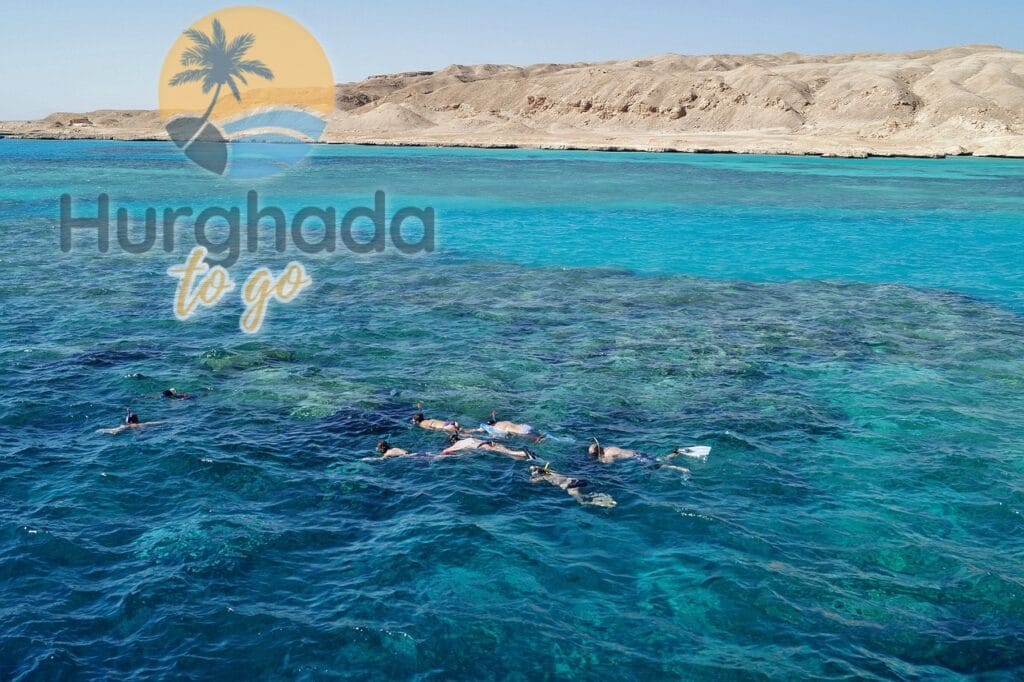
Giftun Island tops every “Hurghada famous places” list—and for good reason. Crystal waters, white sand, vibrant reefs. But here’s what most don’t tell you:
The big boats (100+ passengers) arrive around 10 AM, turning paradise into a party zone by noon. The secret? Book private or small-group trips departing after 11 AM, or stay overnight (allowed with permits through certain operators).
Mahmya Island (often called “the Maldives of Egypt”) is more exclusive—but even here, crowds peak midday. Arrive early or late for near-private beaches.
Insider tip: The eastern side of Big Giftun has untouched snorkel spots reachable only by knowledgeable captains. Look for trips advertising “VIP snorkeling”—they often visit these hidden coves.
Best untold experience: Dolphin watching. While not guaranteed, early morning or late afternoon trips dramatically increase chances of spotting spinner dolphins in their natural playground.
2. Hurghada Marina: More Than Instagram Backdrops
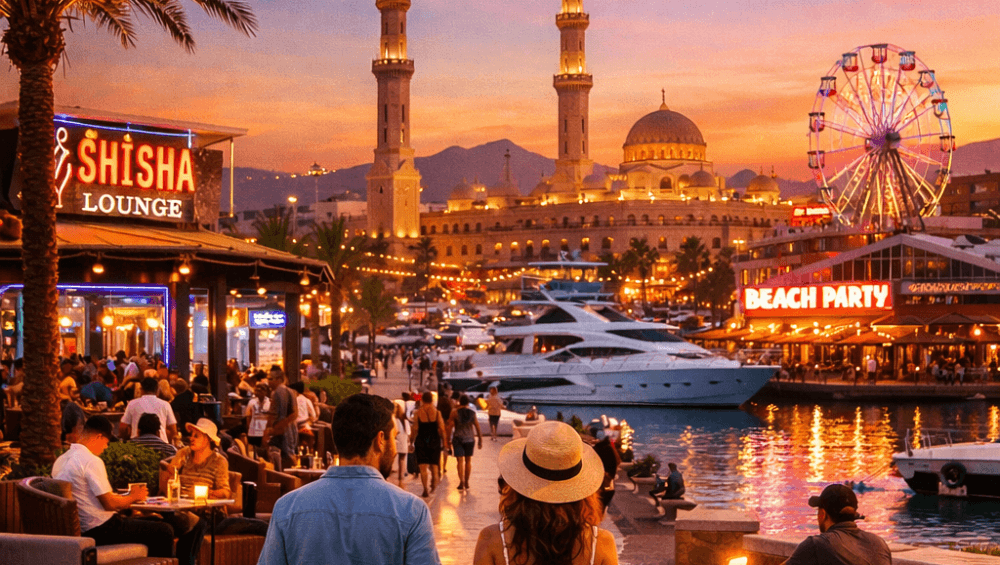
The Marina’s yachts, restaurants, and nightlife feature in every brochure. But the real magic happens after 10 PM when tourist groups leave and locals take over.
Little Buddha and Papa’s Beach Club are famous—but locals prefer quieter spots like Calypso or the rooftop bars with live Arabic music. The best shisha and cocktails cost half the price of resort versions.
What guides rarely mention: The Marina hosts free events—live bands, cultural shows, even occasional fireworks—that aren’t advertised to tourists. Ask hotel staff or check local Facebook groups.
Safety note: It’s very safe, even late at night, but stick to well-lit areas and use Careem/Uber for returns.
3. El Dahar (Old Town): The Authentic Heart Most Visitors Skip
While resorts feel like anywhere, El Dahar is unmistakably Egyptian. Narrow streets, colorful markets, the stunning Al Mina Mosque—yet most tourists only visit for souvenirs.
The truth: El Dahar offers Hurghada’s best food and shopping if you know where to look.
Skip tourist-trap restaurants. Instead, try Gad for koshari, Abousha for grilled meats, or local seafood spots where fishermen deliver direct. A full meal costs $3–$5.
Shopping secret: Bargaining is expected—start at 40% of asking price and meet in the middle with a smile. Best buys: spices, handmade carpets, silver jewelry (check for 925 stamp).
Visit the fish market early morning for an authentic slice of life—watch the auction, then have your purchase cooked at nearby stalls.
Don’t miss the fruit/vegetable souk—mangoes, guavas, and dates at fractions of resort prices.
4. Desert Safaris: Beyond the Tourist Circus
Quad biking and Bedouin dinner feature on every list—but most experiences are rushed and inauthentic.
The untold truth: Many operators use the same overcrowded routes. For the real desert, book longer trips (4–6 hours) that go deeper into the Eastern Desert.
Insider experiences:
- Sunset horse/camel rides from stables like Yallahorse—far more peaceful than quads
- Private Bedouin dinners with authentic storytelling (not staged dancing)
- Stargazing tours—the desert sky here rivals anywhere on Earth. Lie back and see the Milky Way with zero light pollution
What guides ignore: Environmental impact. Stick to operators who stay on marked trails to protect fragile desert ecosystems.


5. The Red Sea Underwater World: Diving Truths and Hidden Sites
Hurghada’s reefs are world-class—but coral bleaching and overtourism threaten them.
What most guides don’t say: Visibility varies dramatically by season and location. Best months: October–April. Avoid July–August when plankton reduces clarity.
Famous sites like Careless Reef are stunning but crowded. Lesser-known gems:
- Abu Nahas shipwreck (four wrecks in one site—advanced divers only)
- El Fanadir reef system (excellent for beginners and macro photography)
- Magawish Island (great snorkeling, fewer boats)
Responsible diving tip: Choose operators following Green Fins guidelines—no touching coral, no feeding fish.
For non-divers: Semi-submarine or glass-bottom boat trips offer reef views without getting wet.
Must-Do Experiences: The Ones That Define Hurghada
These are the activities that make Hurghada special—not just checkboxes.
1. A Proper Day (or Overnight) Trip to Luxor
Every guide mentions Luxor—but most push rushed day trips (4 AM start, 14 hours total). The truth: You need at least overnight to appreciate it.
Insider approach: Private driver/guide for Valley of the Kings at opening (fewer crowds), hot air balloon at sunrise, then relaxed temple exploration. Stay in a boutique hotel on the West Bank for Nile views and authentic atmosphere.
2. Water Sports Beyond Snorkeling
El Gouna (20 minutes north) is kitesurfing heaven—consistent winds, shallow lagoons perfect for beginners. Sahl Hasheesh offers excellent windsurfing.
Parasailing over the Red Sea gives bird’s-eye views most never see.
3. Hurghada Grand Aquarium: Worth It?
Yes—but with caveats. It’s excellent for kids or rainy days (rare). The tunnel and shark tank impress, but skip if you’ve snorkeled real reefs.
Better alternative: Mini Egypt Park or Sand City—open-air museums with impressive sand sculptures.
4. Cultural Connections: Mosque Visits and Local Homes
Visit Al Mina Mosque in El Dahar—stunning architecture, welcoming atmosphere. Women should cover hair/shoulders.
For deeper connection: Cooking classes or home dinners through local operators. Learn to make mahshi (stuffed vegetables) or fresh seafood the Egyptian way.
Hidden Gems: Hurghada’s Best-Kept Secrets
These spots see few tourists but offer massive rewards.
- Magawish Island → Less developed than Giftun, excellent snorkeling
- Abu Galum-style experiences → Some operators offer similar protected area trips from Hurghada
- Horse riding at sunset → Along the beach or into desert—magical
- Local cafes in residential areas → Where expats and locals mix—try Starfish or White Beach Cafe
- Eastern Desert wadis → Dry river beds with palm oases—reachable on private 4×4 trips
Practical Insider Tips: Save Money, Time, and Stress
- Best time to visit — October–April for perfect weather; shoulder seasons (May/June, September) for deals and fewer crowds
- Getting around — Careem/Uber work great; micro-buses for authentic (cheap) travel
- Money — Always carry Egyptian pounds—cards rarely accepted outside resorts
- Bargaining — Expected everywhere except fixed-price shops
- Safety — Very safe; standard precautions apply
- Health — Drink bottled water; reef shoes essential for stony beaches
- Sustainability — Use reef-safe sunscreen; support eco-friendly operators
Why Hurghada Keeps Calling You Back
Hurghada isn’t just famous places and activities—it’s a feeling. The warmth of locals, the endless blue horizon, the contrast between desert and sea, the affordable luxury of daily life.
Most guides give you the what. This guide gives you the why and how—the secrets that make Hurghada truly special.
Ready to experience the real Hurghada? Start planning your trip with HurghadaToGo—we’re here to help make it unforgettable.
Luxor from Hurghada: The Ultimate Insider Guide to Ditching the Rushed Day Trip
If you’re basing yourself in Hurghada, a trip to Luxor is non-negotiable. Often called the “world’s greatest open-air museum,” Luxor packs more ancient wonders into one compact area than almost anywhere else on Earth. We’re talking Karnak Temple’s mind-blowing hypostyle hall, the colorful tombs of the Valley of the Kings, and the dramatic cliff-backed Temple of Hatshepsut.
But here’s what most guides and tour brochures conveniently gloss over: the standard day trip from Hurghada is exhausting and superficial. You wake at 3-4 AM, endure a 4-5 hour drive each way (often in a convoy for security), rush through sites in scorching heat with massive crowds, and stumble back to your hotel around 10-11 PM. You’ve seen Luxor, sure—but you haven’t experienced it.

The real secret? Go overnight—or better yet, for two nights. With an extra day, you catch sunrise hot air balloon rides over the West Bank, explore temples at golden hour with fewer people, sail the Nile on a traditional felucca, and actually absorb the history instead of ticking boxes. Long-term Hurghada expats and repeat visitors swear by this approach, and once you do it, you’ll understand why.
In this expanded guide—exclusive to HurghadaToGo—we’re spilling all the insider details most blogs and operators leave out. From crafting the perfect private itinerary to hidden crowd-beating tricks, cost breakdowns for 2026, and authentic local experiences that make Luxor unforgettable.
Day Trip vs. Overnight: The Honest Pros and Cons
Standard Day Trip (What Most People Do)
- Pros: Cheaper (around €100-150 per person for private, less for groups), no need to pack overnight, fits into a tight schedule.
- Cons: Brutal schedule—up to 18 hours door-to-door with only 6-7 hours actually in Luxor. Sites feel rushed; you miss sunrise/sunset magic and deeper context. Heat and fatigue hit hard, especially in summer. Many return saying they “saw” Luxor but didn’t love it.
Overnight or 2-Day Trip (The Insider Recommendation)
- Pros: Relaxed pacing, magical lighting for photos, time for extras like balloon rides or Nile cruises. Deeper cultural immersion—eat local, wander markets, feel the city’s vibe. Far less exhausting.
- Cons: Higher cost (€250-450 per person for private overnight, depending on inclusions), requires planning accommodation.
Verdict from those who’ve done both: Overnight wins every time. As one expat put it, “Day trip Luxor is like speed-dating ancient Egypt. Overnight is falling in love.”
The Perfect Private Overnight Itinerary from Hurghada
Skip the big group buses. Book a private tour with an Egyptologist guide—the difference is night and day. Private means flexible timing, air-conditioned vehicle, no waiting for stragglers, and personalized explanations.
Here’s our recommended 2-day/1-night itinerary (easily adjustable). Most operators can customize this.
Day 1: Hurghada to Luxor West Bank – Tombs, Temples, and Sunset Magic
- Early Morning Departure (7-8 AM): Leave Hurghada after a relaxed breakfast. The drive takes 4-5 hours via the scenic desert highway (safer and faster than older routes). Stop for coffee/photos at roadside cafes.
- Arrive Luxor ~12 PM: Head straight to the West Bank—home to the necropolis where pharaohs built their eternal homes.
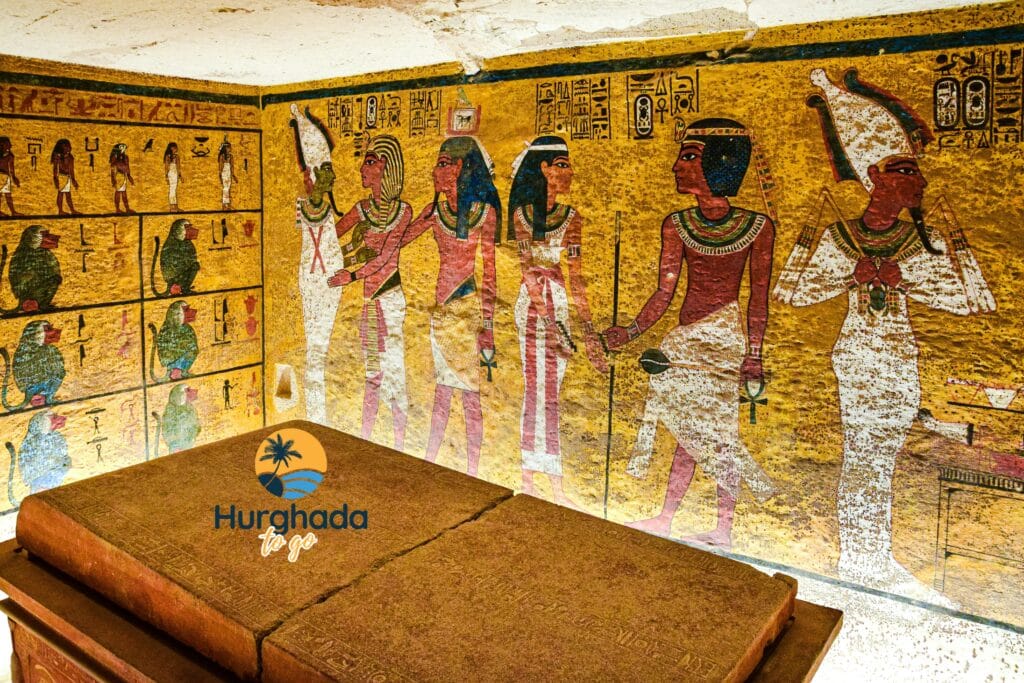
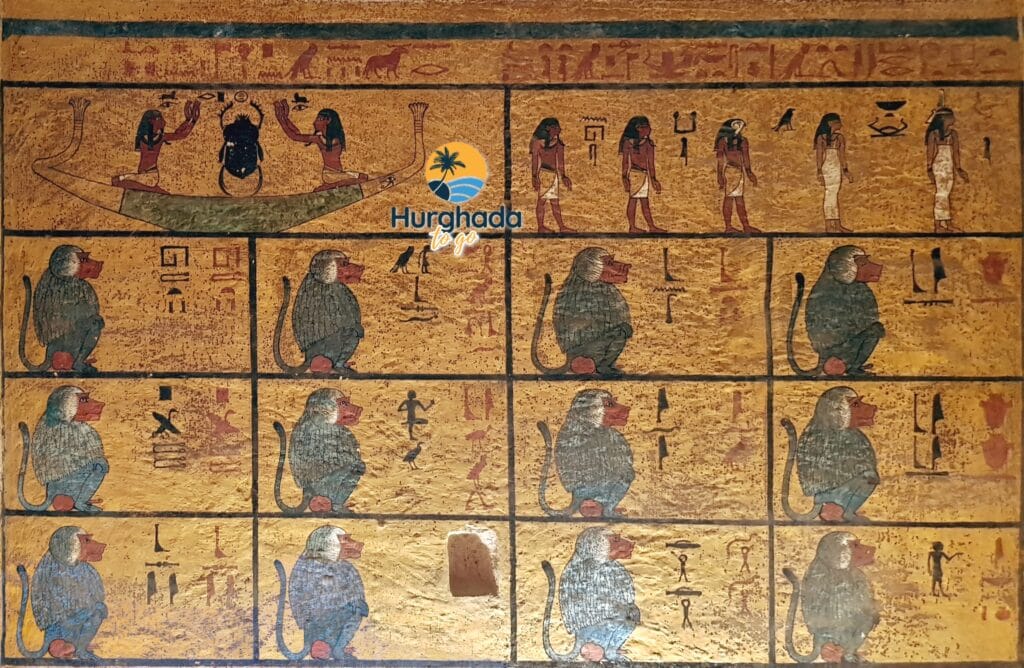
- Valley of the Kings (2-3 hours): The highlight. Entry includes three tombs (standard ticket), but pay extra for standouts like Tutankhamun (€10-15) or Seti I (pricier but jaw-dropping). Insider truth: Arrive after 1 PM when morning tour buses leave—tombs feel almost private. The colorful wall paintings are incredibly preserved; photography is now allowed (no flash, extra fee ~€5). Don’t miss Ramesses VI or Tausert/Setnakht for vivid colors most skip.
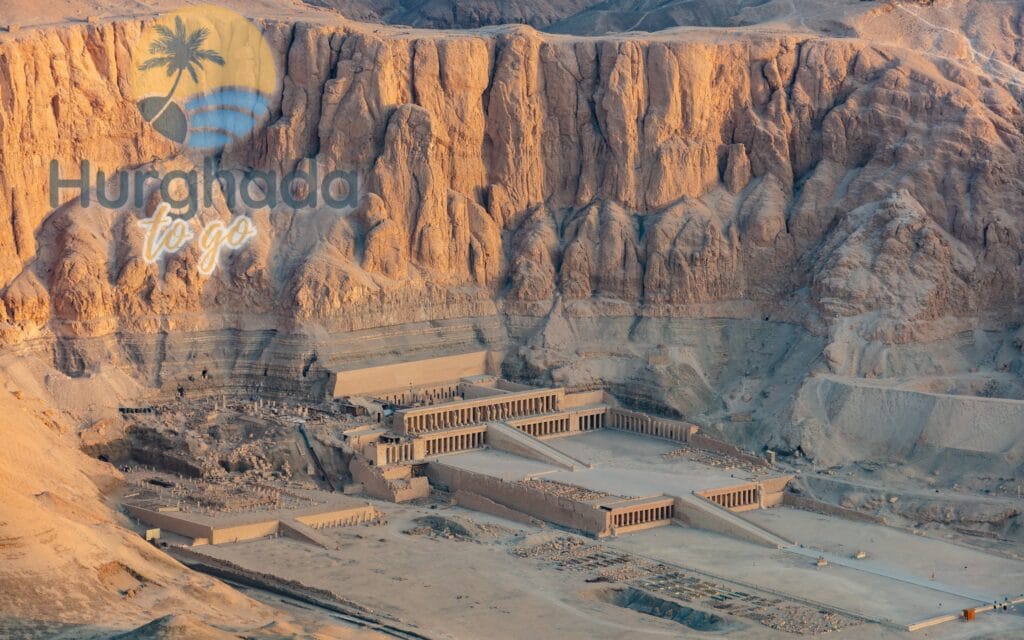
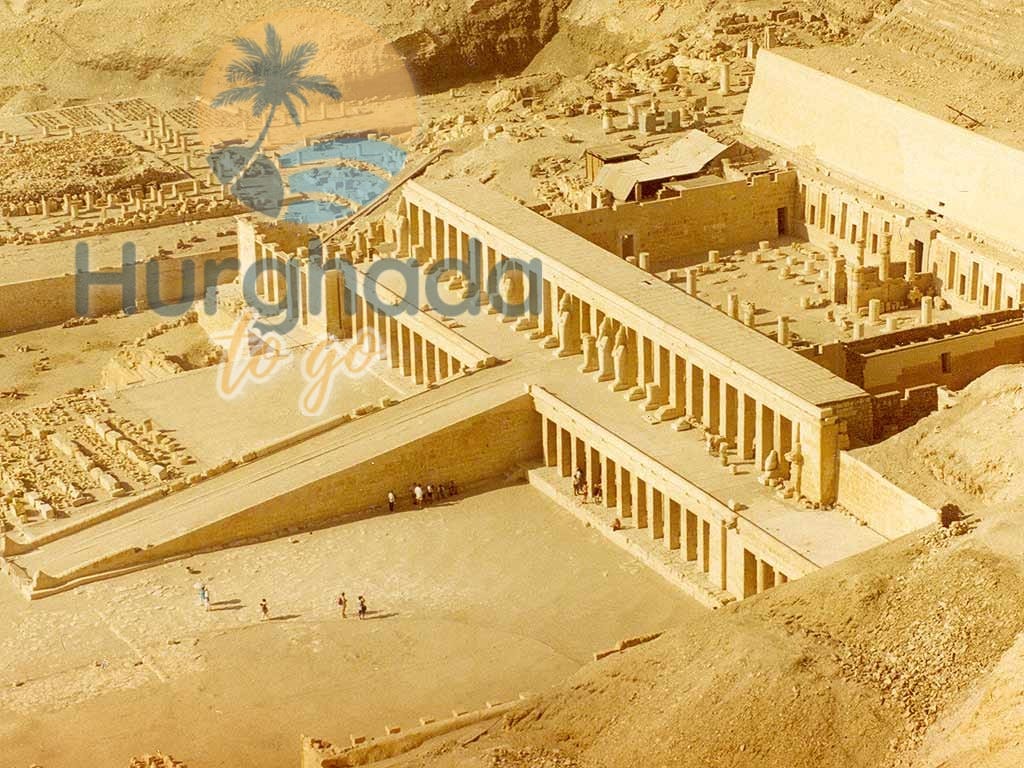
Temple of Hatshepsut at Deir el-Bahri: This terraced masterpiece built into cliffs is stunning in afternoon light. Learn the fascinating story of Egypt’s female pharaoh—guides love sharing details glossed over in books. Crowd tip: Explore upper levels last; most groups rush the lower terraces.
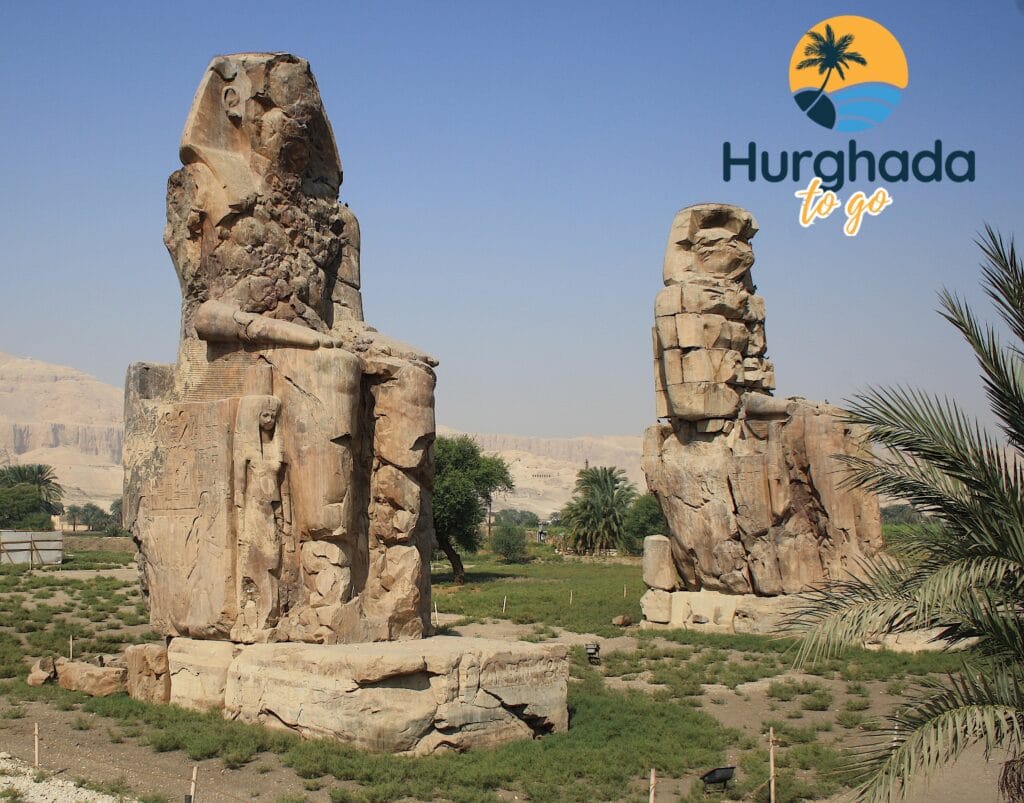
- Colossi of Memnon: Quick photo stop at these massive statues—great for scale perspective.
- Late Afternoon: Optional add-ons like Medinet Habu temple (underrated reliefs) or Howard Carter House (Tut’s discoverer—fascinating museum).
- Sunset Felucca Ride: Sail the Nile on a traditional wooden boat as the sun dips behind the Theban hills. Peaceful, romantic, and quintessentially Egyptian. Many skip this on day trips—don’t.
- Evening: Check into your hotel (West Bank for views, East Bank for convenience). Dinner with Nile views—try local specialties like molokhia or grilled pigeon.
Day 2: East Bank Wonders and Optional Sunrise Balloon
- Optional Hot Air Balloon (~5 AM pickup): The absolute must-do. Float over the West Bank at dawn, watching temples and tombs glow golden while farmers tend fields below. €80-120 per person, but worth every penny. Book with reputable companies like Sindbad or Hod Hod Soliman—safety records matter.
Breakfast, then Karnak Temple (2-3 hours): The largest religious complex ever built. The hypostyle hall’s 134 massive columns will leave you speechless. Insider tip: Visit early (opens 6 AM) or late afternoon to avoid peak crowds. Look for the lesser-visited sections like the open-air museum or sacred lake—most groups skip them.
- Luxor Temple: Smaller but magical, especially if you return at night when illuminated (separate evening ticket). The avenue of sphinxes connecting it to Karnak is partially restored—walk it for perspective.
- Afternoon Return: Depart around 2-3 PM, arriving Hurghada by evening.
Hidden Gems and What Most Guides Don’t Tell You
- Best Tomb Combo: Skip Tut’s if crowds are bad—his treasures are in Cairo anyway. Prioritize tombs with best preservation like Ramesses IX or Merenptah.
- Photography Secrets: Golden hour (early morning/late afternoon) transforms sites. Drones banned; stick to phone/camera.
- Local Food Experiences: Skip tourist restaurants. Try koshari at street stalls or fresh fish along the corniche. West Bank villages offer authentic home-cooked meals if your guide arranges.
- Lesser-Known Sites: Deir el-Medina (workers’ tombs—stunning art), Ramesseum (fallen colossus inspired Shelley’s Ozymandias), or Nobles’ Tombs (everyday life scenes).
- Sound & Light Show: Karnak’s evening show is cheesy but atmospheric—worth it once.
- Banana Island: Quick boat trip for fresh fruit and rural Nile life—relaxing break.
Practical Tips for 2026: Booking, Costs, and Logistics
- Best Time: October-April for mild weather (20-30°C). Avoid summer (40°C+). Shoulder months (May/September) mean fewer crowds.
- Transportation: Private car/van safest and most comfortable. Flights Hurghada-Luxor exist but schedules limited and pricier.
- Costs (approximate per person, 2026 estimates):
- Private day trip: €120-180
- Private overnight (hotel, guide, entries): €280-420
- Hot air balloon: €90-130 extra
- Tips: Budget €20-30/day for guide/driver
- Booking: Use trusted operators like local Hurghada agencies. Check recent reviews—standards vary. Private > group always.
- What to Pack: Comfortable shoes (lots of walking), sun protection, modest clothing (shoulders/knees covered), reusable water bottle.
- Safety: Very safe with convoys if required. Standard precautions apply.
- Where to Stay: West Bank boutique hotels like Al Moudira or Marsam for charm and views. East Bank chains like Sofitel or Hilton for luxury.
Why This Trip Will Be the Highlight of Your Hurghada Vacation
Luxor isn’t just ruins—it’s stepping into the pages of history books. With an overnight approach, you get the full magic: drifting over ancient sites at sunrise, wandering colossal temples as the light shifts, feeling the Nile’s timeless rhythm.
Most visitors rush through and regret it. You won’t.
Planning your Luxor adventure from Hurghada? Drop us a message at HurghadaToGo—we specialize in private, authentic experiences that go beyond the ordinary.
WhatsApp :- +201009255585
We also recommend you :
Cairo Day Trip by Bus from Hurghada 2026
Luxor Day Trip by Bus from Hurghada 2026
Private Day Trip to Luxor from Hurghada 2026